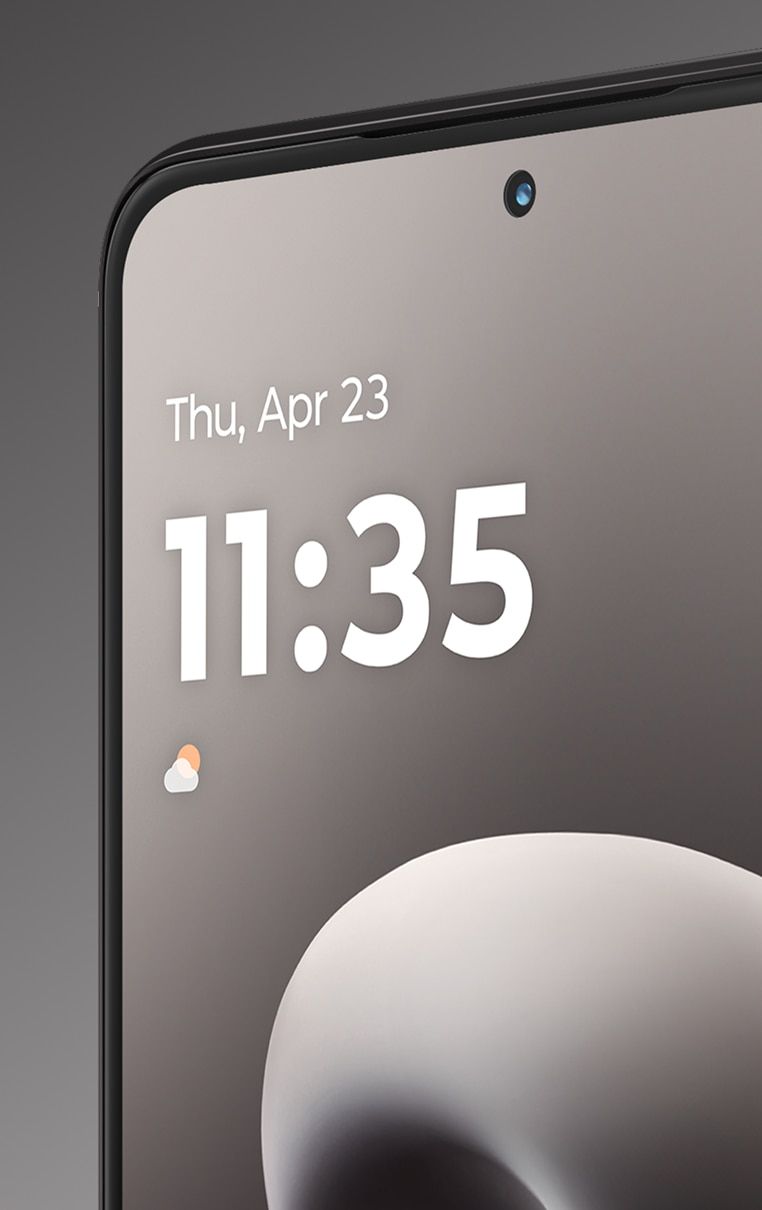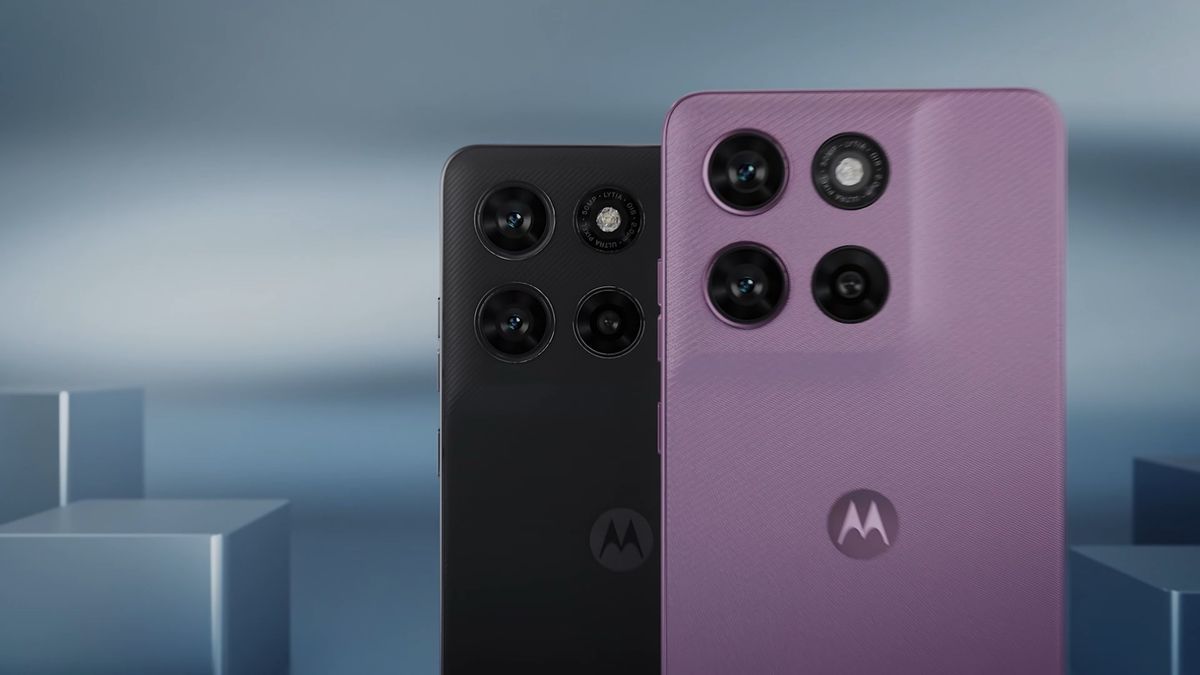
The Moto G Stylus 2026 review writes itself in one sentence: it is the 2025 model with a better pen, a brighter claim, and a $100 higher price. The interesting part is everything that sentence hides. Motorola kept the same Snapdragon 6 Gen 3 chipset, then upgraded the memory, the storage speed, the battery, and the stylus hardware itself. Whether those changes are worth the new $499.99 asking price depends on how you plan to use the pen and how long you intend to keep the phone.
That decision is exactly what most page-one reviews skip. They confirm the pen is nice and move on. This review works through the numbers instead: what the measured display performance really is, what the battery tests show, how the phone compares with the Galaxy A37 5G and Pixel 10a at the same price, and what the two-year support window means in practice. If you just want the short version, it is also inside our best phone under $500 guide.
Affiliate disclosure: TechDaily earns a commission on qualifying purchases through some links in this review. It does not change our verdict.
- The active stylus with pressure, tilt, hover, and a side button is the real reason to choose this phone; no other model near $500 has one
- Motorola claims 5,000 nits peak brightness, but lab measurement shows 492 nits manual, 1,453 nits automatic, and 1,892 nits on a small peak patch
- The Snapdragon 6 Gen 3 is unchanged from 2025, but UFS 3.1 storage and LPDDR5 RAM are genuine upgrades
- The 5,200 mAh battery scores 12 hours 10 minutes of active use in GSMArena testing, with 41% charge in 15 minutes using a 68W charger
- Two OS upgrades and three years of security patches is the weakest support promise at this price
- It keeps the headphone jack, dedicated microSD slot, IP68/IP69, and MIL-STD-810H toughness that mid-range phones are losing
Does the Moto G Stylus 2026 fit the way you work?
Fit verdict: Strong fit
The active pen earns its price every day you write on it
Fit verdict: Limited value
The Snapdragon 6 Gen 3 handles everyday apps but is behind rivals at this price
Fit verdict: Weak fit
Two OS upgrades and three years of patches fall short of Samsung and Google promises
Fit verdict: Strong fit
A 12-hour active-use score plus 68W wired and 15W wireless charging covers full days
Quick Fit Check
Moto G Stylus 2026
Best when note-taking or sketching is a daily habit
Choose your situation above to see where it fits and where it does not.
Start With the Pen, Not the Price
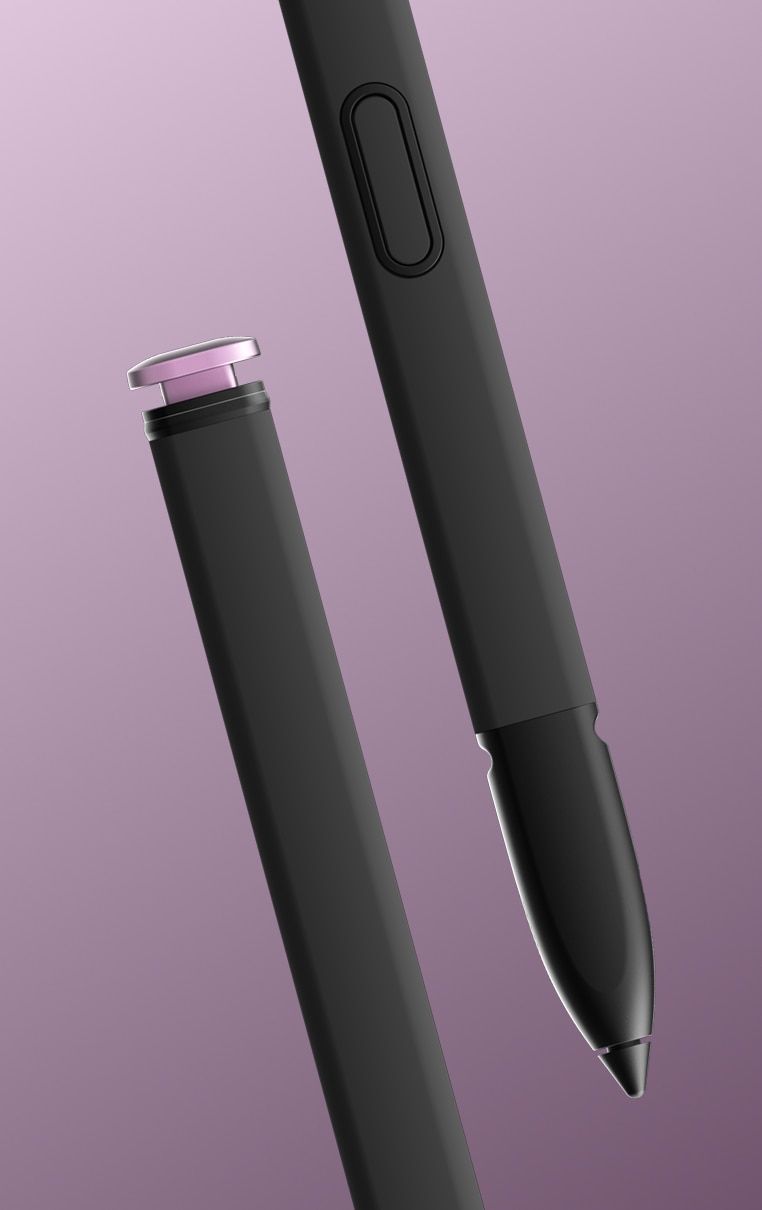
Before comparing chipsets, decide one thing: will you actually write on this screen several times a week? The Moto G Stylus 2026 is the only phone near $500 with a real active stylus built into the body. It detects pressure and tilt, recognizes hover, and carries a physical button on the barrel. That is a different class of input from the passive rubber-tipped pens of older budget phones, and it changes which apps are pleasant to use. PDF annotation, handwritten notes, quick sketches, signing documents, and even precise photo edits all feel natural.
If the pen is not part of your routine, the rest of the phone is still good but no longer special. The Galaxy A37 5G and Pixel 10a are faster, the Pixel receives updates for years longer, and both cost the same. The Moto G Stylus only wins the comparison when its pen is doing real work.
Our Verdict on the Moto G Stylus 2026
Moto G Stylus 2026 — Best for Note-Takers and Sketchers
$499.99Active Stylus6.7″ 120Hz AMOLED68W + 15W
The Moto G Stylus 2026 is the most complete stylus phone you can buy without spending flagship money. The active pen supports pressure, tilt, and hover, it never needs charging, and Motorola pairs it with quick-note shortcuts and a dedicated notes app. The 6.7-inch 120Hz AMOLED is sharp at 444 ppi, the 5,200 mAh battery easily covers a full day, and the build survives IP68/IP69 immersion and high-pressure water jets plus MIL-STD-810H drops.
The compromises are equally clear. The Snapdragon 6 Gen 3 is the same chip as last year and trails every real rival at this price. Motorola promises only two OS upgrades and three years of security patches. And the phone ships without a charger in the box, which adds to the effective cost if you do not already own a 68W brick. Buy it for the pen and the battery, not for raw speed or long-term software support.
Pros
- The only true active stylus near $500, with pressure, tilt, hover, and a button
- 5,200 mAh battery with 68W wired and 15W wireless charging
- IP68/IP69 durability, MIL-STD-810H, headphone jack, and microSD slot
- Bright 120Hz AMOLED with accurate automatic brightness
Cons
- Snapdragon 6 Gen 3 is the slowest chip among $500 rivals
- Two OS upgrades and three years of security patches
- No charger included in the box
- Same processor as the 2025 model for $100 more
What the Extra $100 Buys Over the 2025 Model
The 2025 Moto G Stylus sold for around $400. The 2026 model costs $499.99. Motorola points to four changes that justify the difference:
| Change | Moto G Stylus (2025) | Moto G Stylus (2026) |
|---|---|---|
| Stylus | Passive, basic pen | Active pen with pressure, tilt, hover, and side button |
| Battery | 5,000 mAh | 5,200 mAh |
| Storage speed | UFS 2.2 | UFS 3.1 |
| RAM speed | LPDDR4X | LPDDR5 |
| Durability | IP52 | IP68/IP69 |
The active stylus and the IP68/IP69 upgrade are the two changes you can feel every day. UFS 3.1 storage noticeably speeds up app launches and file transfers. The battery gain is modest on paper but combines with a more efficient Android build for a better measured result, as the battery section below shows.
What did not change is the part that matters most to performance buyers: the Snapdragon 6 Gen 3 chipset is identical to 2025, with the same Cortex-A78 cores and Adreno 710 GPU. If the 2025 model already felt fast enough for your apps, the 2026 phone will feel the same, because it is the same silicon underneath the new memory.
The Display Claim Versus the Measured Reality
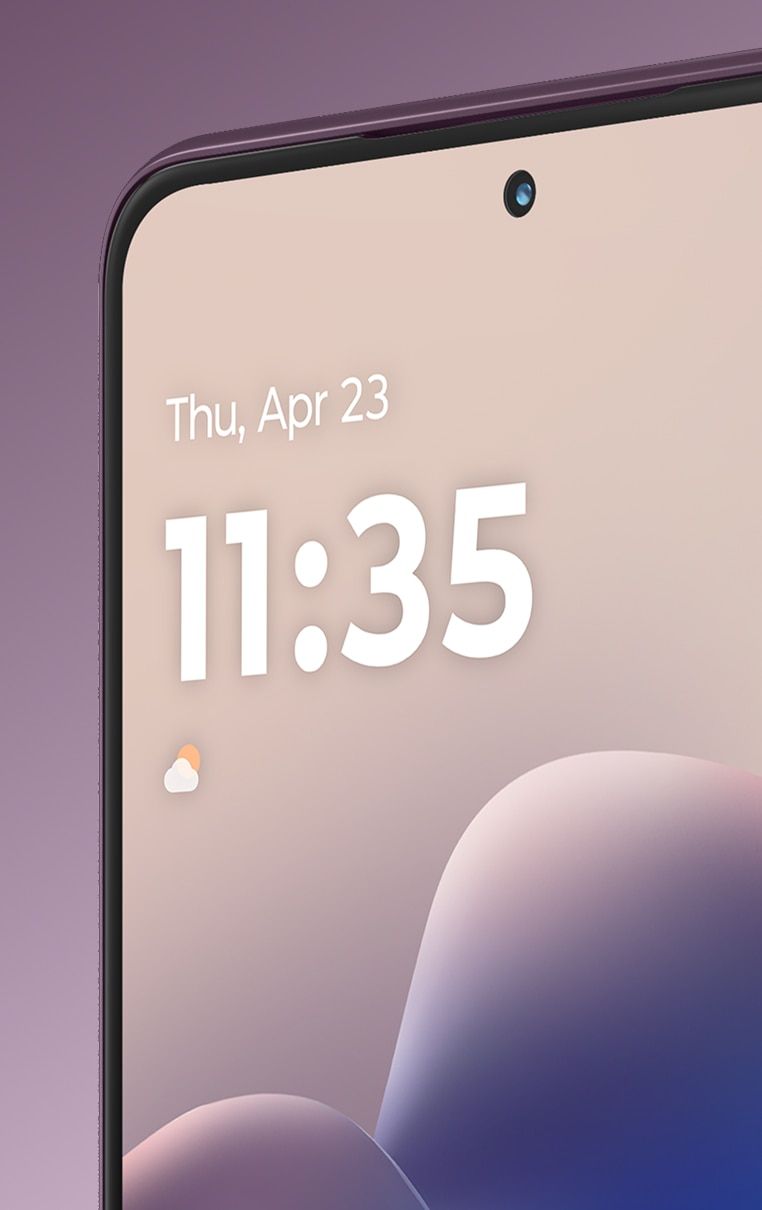
Motorola lists 5,000 nits peak brightness for the 6.7-inch AMOLED. That number describes an absolute best case on a tiny patch of screen in a bright room, and it is worth understanding what the display actually delivers. GSMArena laboratory measurement recorded 492 nits at maximum manual brightness, 1,453 nits in automatic mode, and 1,892 nits on a 10% white patch for the peak figure.
The practical takeaways: 1,453 nits of automatic brightness is genuinely bright for a mid-range phone and handles direct sunlight well, while the 492-nit manual ceiling is normal for AMOLED panels. The claim of 5,000 nits is marketing, not a number you will see in daily use. The same review also noted the screen does not support HDR video playback, which matters if streaming HDR content is a priority.
Battery and Charging Numbers That Matter
The 5,200 mAh cell earned a 12 hours 10 minutes Active Use Score in GSMArena testing, with strong results in calls, video streaming, and web browsing and average gaming endurance. That is a full-day battery for most people and a comfortable day for heavy users.
Charging is where the fine print lives. The phone supports 68W wired TurboCharge and 15W wireless, but no charger ships in the box. In lab testing with Motorola’s own 68W brick, the phone reached 41% in 15 minutes. That is fast, but it is slower than the 45% the 2025 model hit in the same window, and it assumes you already own a compatible charger.
Note: If you are upgrading from a phone with a 30W or slower charger, budget for a 68W USB-PD brick. Without it, the headline charging speed is theoretical.
What the Active Use Score Covers
The 12:10h result combines calls, video streaming, web browsing, and gaming into one weighted figure. The strongest results came from the first three; gaming endurance was average. For a phone that spends its day on notes, messaging, and media, that mix is exactly the profile the Stylus serves.
Performance Is the Same Chip With Faster Memory
The Snapdragon 6 Gen 3 inside the Moto G Stylus 2026 pairs four Cortex-A78 cores at up to 2.4 GHz with four Cortex-A55 efficiency cores and an Adreno 710 GPU. That is a capable everyday chip, but it is the same silicon Motorola used in 2025, and it sits at the bottom of the $500 class.
| Benchmark | Moto G Stylus (2026) | Galaxy A37 5G | Nothing Phone (4a) Pro |
|---|---|---|---|
| GeekBench 6 single-core | ~1,010 | ~1,153 | ~1,334 |
| Chipset | Snapdragon 6 Gen 3 | Exynos 1680 | Snapdragon 7 Gen 4 |
Single-core scores from GSMArena’s benchmark tables and NanoReview’s comparison data; lower is slower. The pattern is consistent: the Moto trails the A37 by roughly 14% in single-core work and the Nothing Phone (4a) Pro by a wider margin. In sustained-load testing, GSMArena recorded 89% CPU and 99% GPU stability, which means the phone holds its performance without aggressive throttling, a small win for long gaming sessions even if the ceiling is lower than rivals.
Real-world translation: everyday apps, social feeds, video, and multitasking feel smooth with the 8GB of LPDDR5 RAM. Demanding games run at medium settings, and heavy multitasking may occasionally pause to reload. The UFS 3.1 storage upgrade is the most visible year-over-year improvement in general use.
What the Benchmark Gap Actually Means
The 14% single-core gap to the Galaxy A37 shows up as slightly slower app launches and a hint of lag under heavy multitasking. The wider gap to the Nothing Phone (4a) Pro is the kind of difference you notice in demanding games and large photo edits. For notes, web, and streaming, the practical difference is small.
Sustained Performance Is a Quiet Strength
GSMArena’s stress tests returned 89% CPU and 99% GPU stability. That means the phone keeps its performance during long sessions instead of throttling early. The ceiling is lower than rivals, but the floor stays consistent.
Software and Support Is the Real Weakness
The Moto G Stylus 2026 ships with Android 16 and Motorola’s Hello UI on top, which stays close to stock Android with a few useful additions. Gemini, Circle to Search, Copilot, and Perplexity come preinstalled, and Motorola’s Moto AI tools include a sketch-to-image feature that pairs naturally with the stylus.
The weakness is longevity. Motorola promises two OS upgrades and three years of security patches for the Moto G series. Samsung now guarantees six OS upgrades for the Galaxy A37 5G, and Google promises seven years for the Pixel 10a. If you keep a phone for three or four years, the Moto G Stylus will stop receiving major Android versions years before its rivals, and its security patches will end soon after.
The catch: the support window matters more on a $500 phone than on a flagship. A flagship buyer upgrades every two years anyway. A mid-range buyer often keeps the phone until it breaks. That is exactly the scenario where Motorola’s promise runs out first.
Build, Durability, and the Ports That Survived
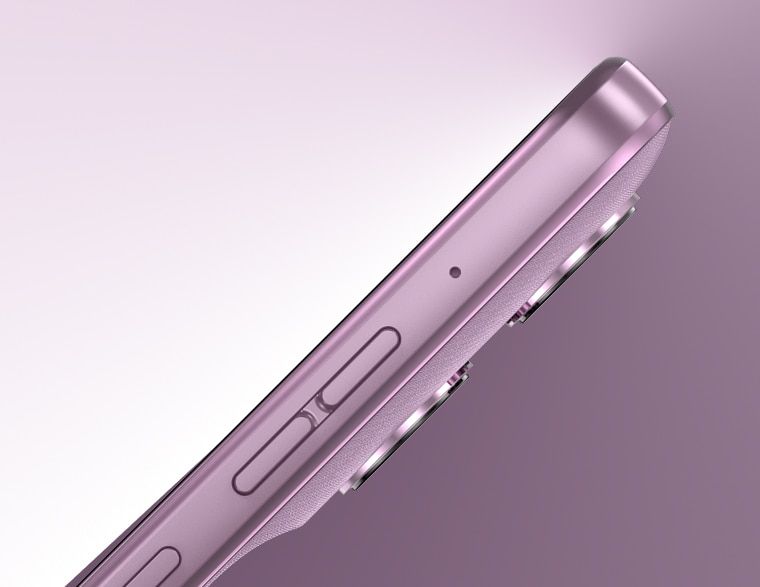
Motorola gave the Stylus a vegan leather back over a plastic frame, and it feels more premium than the price suggests. The phone carries IP68 and IP69 ratings, meaning it survives full immersion and high-pressure water jets, plus MIL-STD-810H compliance for drops and temperature swings. The 192-gram body is 8.3 mm thick with a comfortable weight distribution.
The port situation is the pleasant surprise. The Moto G Stylus 2026 keeps a 3.5 mm headphone jack with 24-bit/192 kHz Hi-Res audio, a dedicated microSDXC slot for storage expansion, and dual-SIM support with one eSIM. Stereo speakers with Dolby Atmos measured an excellent -20.8 LUFS in GSMArena’s loudness test. These are features most phones in this price range have quietly dropped.
Who Should Buy the Moto G Stylus 2026
Buy it when at least one of these is true:
- You take handwritten notes, annotate PDFs, or sketch regularly
- You want one phone that combines a stylus with a full-day battery
- You need IP68/IP69 toughness plus a headphone jack and microSD slot
- You value a clean, near-stock Android experience without bloatware
Skip it when your priority is raw performance, long-term updates, or gaming. The Galaxy A37 5G is faster with a far longer support promise, and the Pixel 10a dominates software updates and camera consistency. The Moto G Stylus 2026 earns its price only when the pen is part of your daily workflow, and in that narrow but real use case, nothing else near $500 competes.
Frequently Asked Questions
Is the Moto G Stylus 2026 stylus active?
Yes. The built-in stylus supports pressure sensitivity, tilt, hover detection, and a physical side button, and it never needs charging. It is a real active pen, unlike the passive stylus on the 2025 model.
How long does the Moto G Stylus 2026 battery last?
The 5,200 mAh battery scored 12 hours 10 minutes of active use in GSMArena testing, covering a full day for most users. Wired charging reaches 41% in 15 minutes with a compatible 68W charger, and 15W wireless charging is supported.
Is the Moto G Stylus 2026 waterproof?
It carries IP68 and IP69 ratings, meaning it survives immersion in up to 1.5 meters of water for 30 minutes and high-pressure water jets. It also meets MIL-STD-810H drop and temperature standards.
How many updates does the Moto G Stylus 2026 get?
Motorola promises two Android OS upgrades and three years of security patches. That is the shortest support window among its main $500 rivals: Samsung offers six OS upgrades for the Galaxy A37 5G and Google offers seven years for the Pixel 10a.
Does the Moto G Stylus 2026 have a headphone jack?
Yes, it keeps a 3.5 mm headphone jack with 24-bit/192 kHz Hi-Res audio support, plus a dedicated microSDXC slot and stereo speakers with Dolby Atmos.
Is the Moto G Stylus 2026 good for gaming?
It is adequate but not great. The Snapdragon 6 Gen 3 handles everyday games at medium settings, and GSMArena measured strong 89% CPU and 99% GPU stability under sustained load. Heavy titles will run below the quality you get from the Galaxy A37 5G or Nothing Phone (4a) Pro.