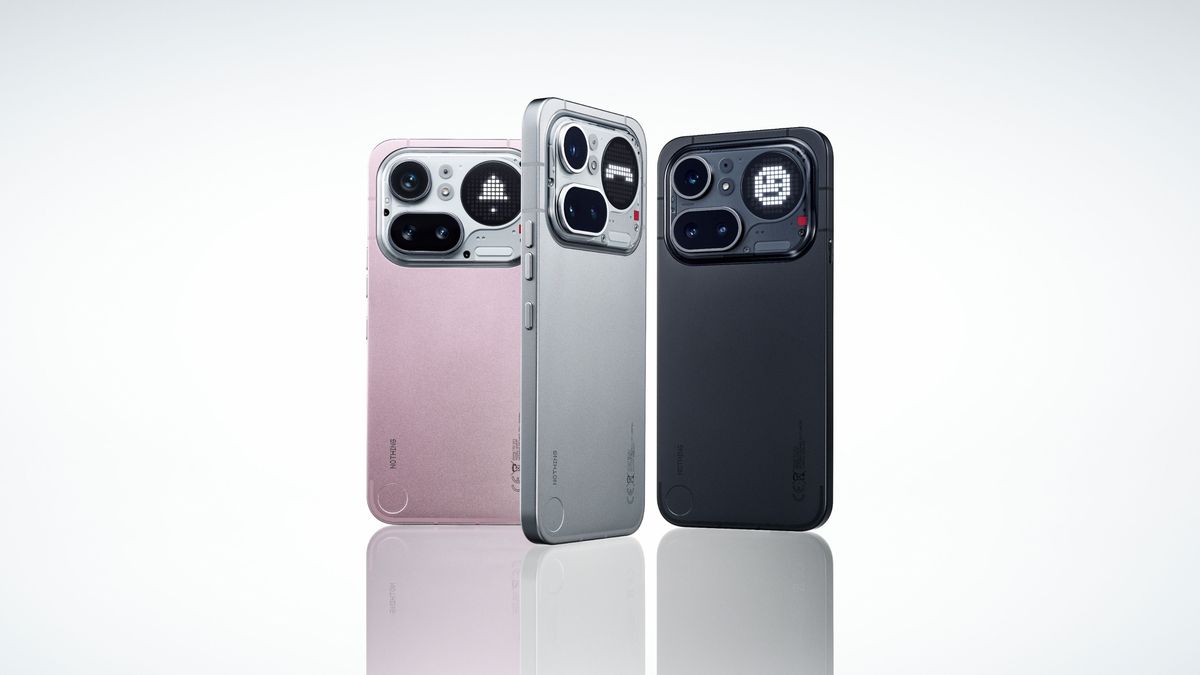
The Nothing Phone (4a) Pro is a phone that forces a two-part decision. The first question is whether you want a Nothing phone at all — the transparent design, the Glyph Matrix lighting, and the clean Android experience are genuinely unlike anything else at the price. The second question is whether the Pro model earns its premium over the regular 4a, because the base phone delivers most of the same experience for less. This review works through both questions with numbers, because the marketing around this phone — 140x zoom, 5,000 nits, premium aluminum — deserves a closer look.
The short version lives in our best phone under $500 guide. This page goes deeper on the Pro-specific details: what the telephoto camera actually delivers across its zoom range, how the measured display and battery numbers compare with the claims, and where the support promise sits against Samsung and Google.
Affiliate disclosure: TechDaily earns a commission on qualifying purchases through some links in this review. It does not change our verdict.
- The 3.5x optical periscope telephoto is the Pro model’s biggest hardware advantage over the regular 4a
- Nothing markets 140x zoom, but usable quality drops long before that point
- The 6.83-inch 144Hz AMOLED measured 1,557 nits in lab testing, against a 5,000-nit marketing peak
- The 5,080 mAh battery scored 15 hours 16 minutes of active use with 50% charge in 22 minutes
- Nothing promises 3 major OS updates and 6 years of security patches, which trails Samsung and Google
- The IP65 rating resists low-pressure jets, not full immersion like IP68 rivals
Does the Nothing Phone (4a) Pro fit the way you use a phone?
Fit verdict: Strong fit
The aluminum body, Glyph Matrix, and 3.5x telephoto are the reasons to pay the Pro premium
Fit verdict: Limited value
The regular 4a delivers most of the experience for less
Fit verdict: Weak fit
IP65 handles splashes, not immersion; IP68 phones cost similar money
Fit verdict: Mixed fit
Six years of security patches is solid; three OS upgrades trails rivals
Quick Fit Check
Nothing Phone (4a) Pro
Best when design and a real telephoto matter more than raw value
Choose your situation above to see where it fits and where it does not.
Start With the 4a Pro Versus the 4a Question
Nothing sells the Phone (4a) for less and the (4a) Pro for more, and the gap between them is narrower than the price difference suggests. The Pro adds three things that matter: a 3.5x optical periscope telephoto camera, the full Glyph Matrix lighting system, and an aluminum unibody. The chipset is faster on the GPU side, the display runs at 144Hz instead of 120Hz, and the design feels visibly more premium.
Whether that adds up to the Pro premium depends on one question: do you zoom? If you photograph kids at school events, capture whiteboards from the back of a room, or crop into travel shots, the telephoto is a feature you will use every week. If your camera life is selfies, food, and the occasional landscape, the regular 4a is the rational buy and the Pro premium buys a prettier back that only you see.
Our Verdict on the Nothing Phone (4a) Pro
Nothing Phone (4a) Pro — Design and Telephoto at a Price
$499.993.5x Periscope Zoom144Hz AMOLEDGlyph Matrix
The Nothing Phone (4a) Pro is the most distinctive phone near $500, full stop. The aircraft-grade aluminum unibody feels nothing like the plastic mid-rangers around it, the Glyph Matrix turns notifications and charging into an actual light show, and Nothing OS stays refreshingly close to stock Android. The 6.83-inch 144Hz AMOLED is large, sharp, and bright, and the 5,080 mAh battery delivers one of the best endurance scores in its class.
The compromises are real and specific. The IP65 rating is a splash rating, not an immersion rating, at a price where IP68 is common. The camera is inconsistent across zoom levels and in low light, and video quality lags the best rivals. Nothing promises three major OS updates, which trails the six offered by Samsung and the seven by Google. And at $499.99 for the 8/128GB model — or $599.99 for 12/256GB — the Pro sits close enough to the Pixel 10a and Galaxy A37 that the design and telephoto must do the heavy lifting.
Pros
- Aircraft-grade aluminum unibody that feels far more premium than the price
- 3.5x optical periscope telephoto, rare at this price
- Excellent battery life and strong thermal performance
- Unique, functional Glyph Matrix and clean Nothing OS
Cons
- IP65 is a splash rating, not competitive with IP68 rivals
- Camera quality is inconsistent across zoom levels and low light
- Three OS updates trails Samsung and Google promises
- Pro premium is hard to justify over the regular 4a
What the Pro Adds Over the Nothing Phone (4a)
| Feature | Nothing Phone (4a) | Nothing Phone (4a) Pro |
|---|---|---|
| Telephoto camera | None | 50 MP periscope, 3.5x optical, OIS |
| Display refresh | 120Hz | 144Hz |
| Glyph lighting | 63-segment Glyph Bar | Glyph Matrix with 137 addressable LEDs |
| Build | Plastic | Aluminum unibody |
| Chipset GPU | Adreno 710 | Adreno 722 |
| Price | Lower | $100 more at launch |
The camera is the honest centerpiece. The 50 MP main sensor and the 50 MP periscope telephoto both carry OIS, and the ultrawide drops to 8 MP. In daylight, the telephoto delivers genuinely useful 3.5x shots. The wider the zoom gets, the more the quality falls away — which is the next section’s point.
The Zoom Ladder From 3.5x Optical to 140x Marketing
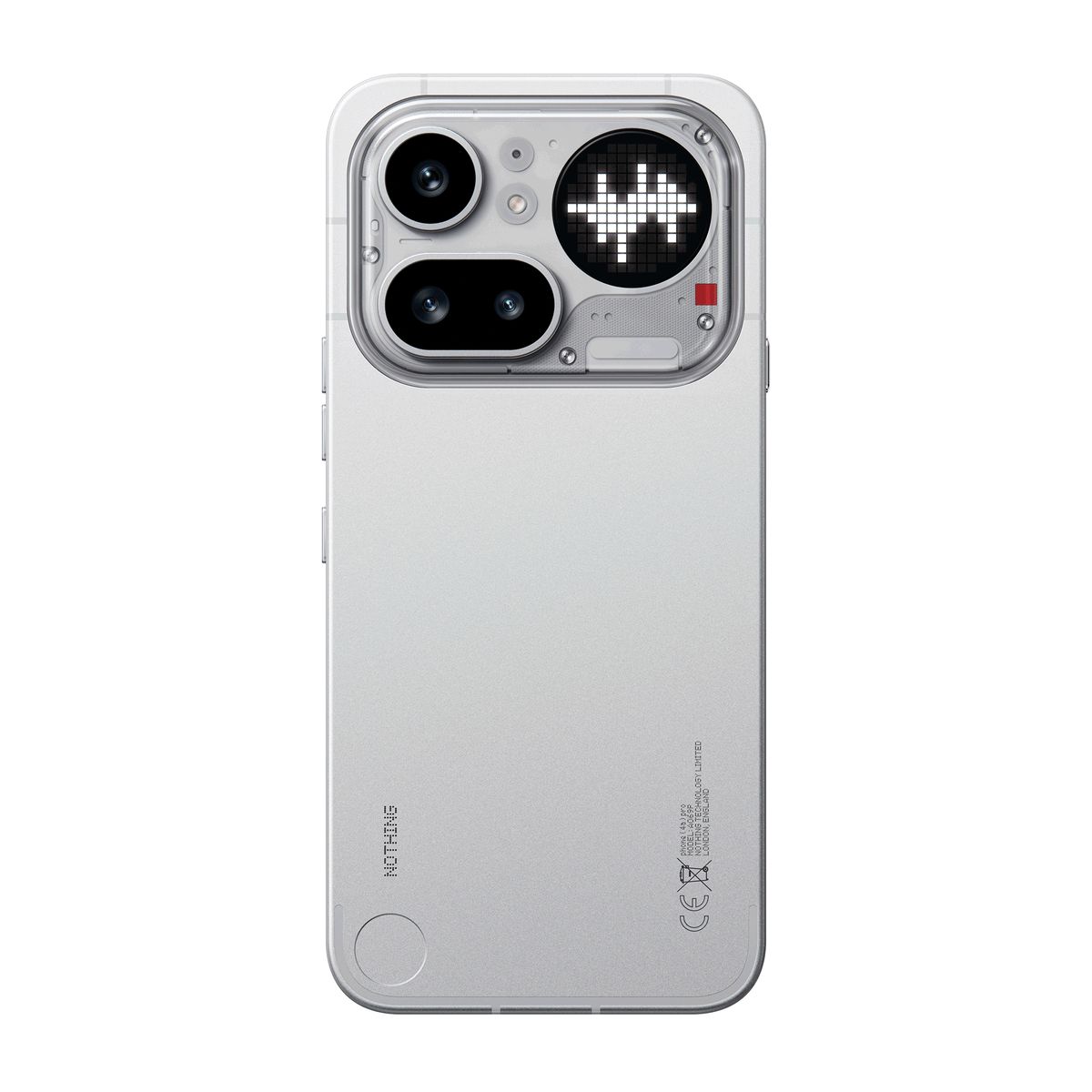
Nothing calls the (4a) Pro the world’s first 140x ultra zoom. That number is technically reachable through the digital zoom pipeline, but it describes magnification, not quality. Independent testing shows the camera becomes inconsistent across zoom levels, with the most usable results at 3.5x optical and progressively softer, noisier images beyond it.
The catch: marketing zooms are marketing. The useful range of this camera is roughly 3.5x to 10x with acceptable quality in good light. The 140x number is a headline for the spec sheet, not a quality promise, and the same review that praised the daylight telephoto flagged low-light and portrait inconsistency.
The Useful Zoom Range
At 3.5x optical, the periscope produces crisp, genuinely useful shots in daylight — the main reason to choose the Pro. Between 3.5x and 10x, the hybrid pipeline keeps images acceptable for social sharing. Beyond that, quality degrades quickly even in good light.
Where the Zoom Falls Apart
The 140x setting is best understood as a magnifying glass for reading distant text, not a photography mode. Subjects lose detail, noise rises, and handheld shots at that magnification need extraordinary stability. Treat the headline number as a capability demo, not a shooting range.
Display Numbers Versus the 5,000-Nit Claim

Nothing lists 800 nits typical, 1,600 nits high brightness mode, and a 5,000-nit peak for the 6.83-inch AMOLED. GSMArena lab measurement recorded 1,557 nits maximum brightness — genuinely excellent for the class and comfortably readable in direct sunlight. The 144Hz refresh, 10-bit color, HDR10+ support, and 2,160Hz PWM dimming round out a display that is a real strength of the phone.
The 5,000-nit figure, like most peak brightness numbers, describes a tiny patch of screen in ideal conditions. The measured 1,557 nits is the number that matters, and it is an excellent one. HDR playback supports HDR10 and HDR10+ but not Dolby Vision.
Battery and Charging Numbers That Matter
The 5,080 mAh battery (5,400 mAh in the Indian variant) earned a 15 hours 16 minutes Active Use Score in GSMArena testing — among the best results in the class. Real-world translation: a full day of heavy use is comfortable, and light users can stretch toward two days.
Charging hits 50% in 22 minutes and a full charge in 64 minutes at 50W wired, with 7.5W reverse wired charging for accessories. That is fast but not class-leading; several rivals at the price charge faster. There is no wireless charging.
Performance in Context
The Snapdragon 7 Gen 4 pairs a 2.8 GHz prime Cortex-720 core with four 2.4 GHz and three 1.8 GHz cores and an Adreno 722 GPU. GSMArena’s numbers: AnTuTu v10 1,133,279 and v11 1,469,717, GeekBench 6 multi-core 4,170, and 3DMark Wild Life Extreme 2,075. Sustained testing showed excellent thermals — the aluminum body helps the chip keep its performance without heavy throttling.
In everyday terms, the phone handles heavy multitasking, 144Hz scrolling, and demanding games without drama. The GPU is a meaningful step above the 4a’s Adreno 710, which is one of the quieter reasons to choose the Pro. Storage is UFS 3.1, which is standard for the class and fast enough for daily use.
Where the Faster GPU Shows
The Adreno 722 handles 144Hz UI animation and mid-range gaming settings with headroom. Compared with the 4a, the difference is visible in games and heavy web pages, less so in everyday messaging and social apps.
Thermals Are a Quiet Strength
GSMArena’s sustained testing reported excellent thermal behavior, helped by the aluminum unibody acting as a heat spreader. The chip keeps near-peak performance over long sessions instead of stepping down early.
Software, Support, and the Glyph Matrix
Nothing OS 4.1 on Android 16 stays close to stock Android, with Nothing’s dot-matrix widgets, Essential AI tools, and the Essential Key on the side. The Glyph Matrix — 137 individually addressable mini-LEDs on the back — handles notifications, volume, charging progress, timers, and music in ways no other phone matches. It is genuinely useful, not just decorative.
Support is where the math gets careful. Nothing promises three major OS updates and six years of security patches. That security window is respectable, but the three OS upgrades trail the Galaxy A37’s six and the Pixel 10a’s seven. Buyers who keep phones past three years will feel that difference.
Build Quality and the IP65 Reality

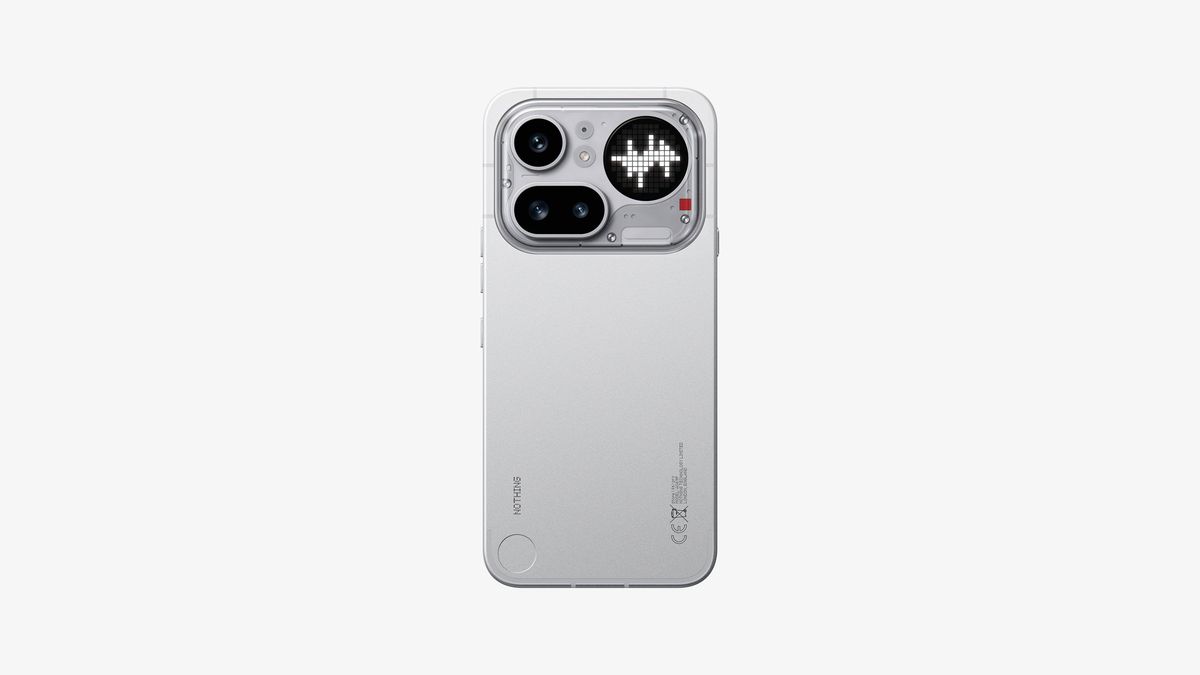
The aircraft-grade aluminum unibody is the most tangible Pro upgrade. At 210 grams and 8 mm thick, it feels dense and premium in hand, and Nothing’s flat-frame design is comfortable despite the size. Corning Gorilla Glass 7i protects the front.
The durability asterisk is the IP65 rating. That covers dust and low-pressure water jets — splashes, rain, accidental spills — and Nothing states testing at 25 cm of water for up to 20 minutes. It is not an immersion rating like IP67/IP68, and rivals at this price increasingly offer those. If your phone regularly meets pools, bathtubs, or heavy downpours, the 4a Pro is not the safest pick.
Who Should Buy the Nothing Phone (4a) Pro
Buy it when at least one of these is true:
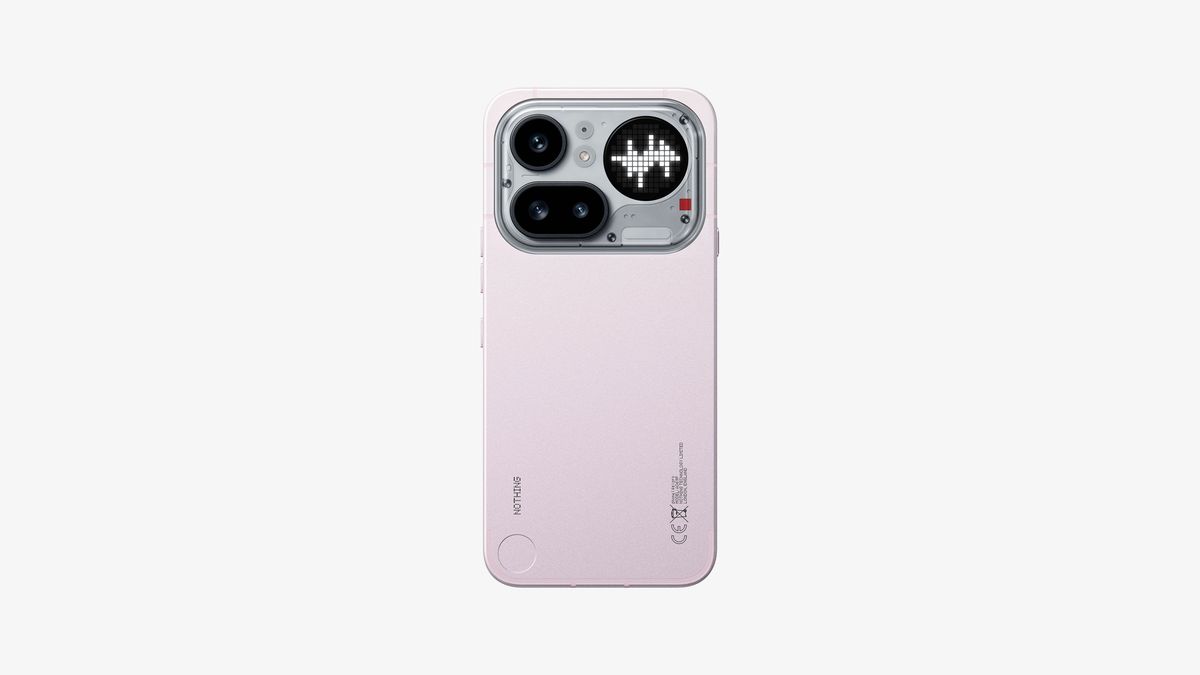
- You want a phone that does not look or feel like every other slab
- You regularly zoom — the 3.5x periscope telephoto is the reason to pay the premium
- You appreciate the Glyph Matrix notifications and light-based interactions
- You want a premium aluminum build and excellent battery life at mid-range money
Skip it when you want maximum value, long OS support, or serious waterproofing. The regular 4a covers most of the experience for less. The Pixel 10a offers seven years of updates and a more consistent camera. The Galaxy A37 5G offers six OS upgrades and faster charging. The (4a) Pro is a phone you buy with your eyes and your telephoto, not with a spec-sheet comparison.
Frequently Asked Questions
What is the difference between the Nothing Phone 4a and 4a Pro?
The Pro adds a 3.5x optical periscope telephoto camera, an aluminum unibody, a 144Hz display, a faster GPU, and the full Glyph Matrix with 137 LEDs. The regular 4a keeps the same core experience with a plastic build, a 120Hz display, and no telephoto.
How good is the Nothing Phone 4a Pro camera?
The main 50 MP camera and the 3.5x periscope telephoto perform well in daylight, and the 140x digital zoom is a marketing number, not a quality promise. Low-light shots and consistency across zoom levels are the weaknesses, and video quality lags the best rivals.
Is the Nothing Phone 4a Pro waterproof?
No, it is water-resistant to IP65, which covers dust and low-pressure water jets. Nothing states testing at 25 cm of water for 20 minutes. It is not rated for full immersion like IP67 or IP68 phones.
How long does the Nothing Phone 4a Pro battery last?
GSMArena measured a 15 hours 16 minutes Active Use Score from the 5,080 mAh battery, among the best in its class. Charging reaches 50% in 22 minutes and 100% in 64 minutes at 50W. There is no wireless charging.
How many updates does the Nothing Phone 4a Pro get?
Nothing promises three major OS upgrades and six years of security patches. The security window is solid, but the three OS upgrades trail the Galaxy A37 5G (six) and Pixel 10a (seven).
Is the Nothing Phone 4a Pro available in the US?
Yes. The (4a) Pro launched globally including the US, while the base (4a) skipped the US market. US buyers choose between the Pro and rivals like the Pixel 10a and Galaxy A37 5G.