

AI was supposed to reduce your workload. Instead, many AI tools have given you another inbox to manage, another interface to prompt, and another digital worker whose output needs constant supervision.
So what will it take for AI to become a true proactive assistant?
In this episode of TechDaily.ai, David and Sophia explore the “anticipation gap”—the difficult leap from reactive AI that waits for instructions to autonomous systems capable of recognizing what you need and acting at the right moment.
The challenge isn’t simply intelligence. Modern AI can already execute sophisticated digital tasks. The harder problem is context: understanding your preferences, priorities, relationships, boundaries, and the messy realities that don’t have an objectively correct answer.
You’ll discover:
- Why managing today’s AI agents can create more cognitive load
- Why coding agents have an advantage over consumer AI assistants
- The difference between structured software environments and messy human life
- Why there is no simple “compiler for taste”
- How AI can misinterpret personal goals and behavioral intent
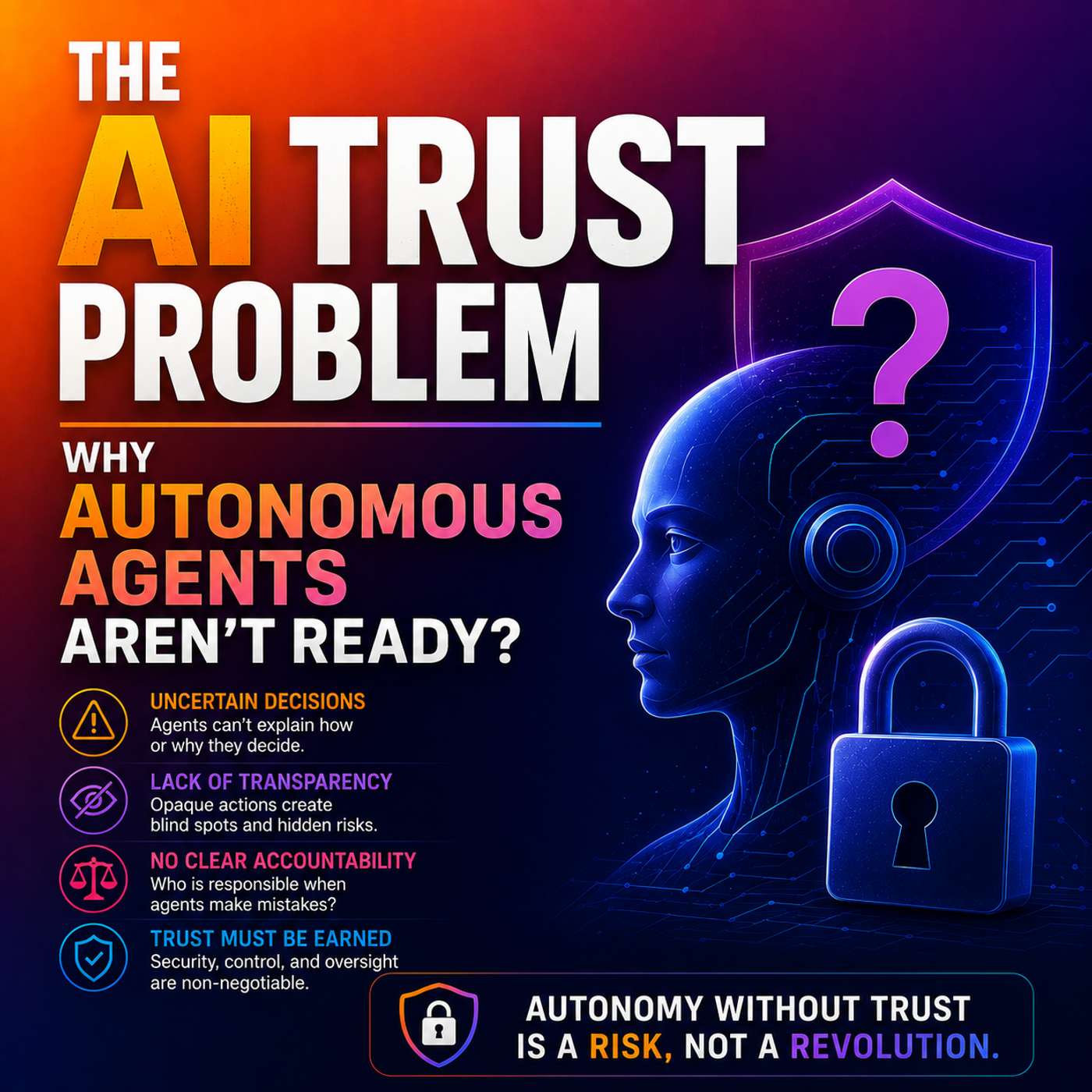
- The dangers of giving autonomous agents too much control too quickly
- How proactive notifications can become spam when AI gets relevance wrong
- Why screen-aware AI can create major processing and battery demands
- The five-step AI trust ladder: Read, Suggest, Draft, Act With Confirmation, and Autonomous
- Why developers cannot safely jump straight to full AI autonomy
- How persistent memory could help AI understand long-term consumer context
- What signs could indicate that proactive consumer AI is finally becoming practical
The episode also examines examples involving OpenClaw, messaging-based assistants, continuous screen vision, coding agents, autonomous purchasing, and persistent AI memory.
The ultimate destination is an assistant that doesn’t require you to remember the perfect prompt. It recognizes repetitive work, understands context, prepares useful actions, and gradually earns permission to do more.
But that raises an even bigger question: If AI eventually removes the friction, inconvenience, and unpredictability from everyday life, could we also lose some of the spontaneity and resilience that comes from navigating life ourselves?
Subscribe to TechDaily.ai for more conversations about AI agents, automation, emerging technology, and the future of human-computer interaction.