
I’ve watched a lot of first scooters get sold on Facebook Marketplace three months after they were bought. Almost every one was bought the same way. Sort by top speed. Buy the biggest number the budget allows. The best electric scooter for adults isn’t the fastest one you can afford. It’s the one sized to your actual ride — how far you go, how steep it gets, and whether you want to sit down. For most commuters, that’s the NIU KQi 200P: around $549, a 33.6-mile rated range, real suspension, and turn signals. But “most” isn’t “you.” So this guide sorts five picks by commute type, not by spec sheet. And it starts with the one spec nobody puts in the marketing photos: battery certification.
Quick disclosure so we’re square: the product links below are affiliate links. If you buy through one, we earn a small commission at no extra cost to you.
- Buy for your commute, not the spec sheet. Distance, hills, and rider weight decide the right scooter. Top speed mostly decides the price.
- Cut every rated range roughly in half for planning. Those numbers come from the slowest mode, a light rider, and a flat road you don’t commute on.
- Battery certification is the spec that actually matters. Look for UL 2272 or UL 2849 on the product page before you look at anything else.
- A seat stops being a gimmick past about five miles each way. The EMOVE RoadRunner V3 is built around one; the Hiboy S2 Pro adds one for cheap.
- The NIU KQi 200P is the one most commuters should just buy. Suspension, a drum brake, turn signals, and a real-world 20-ish miles for about $549.
What does your ride to work actually look like?
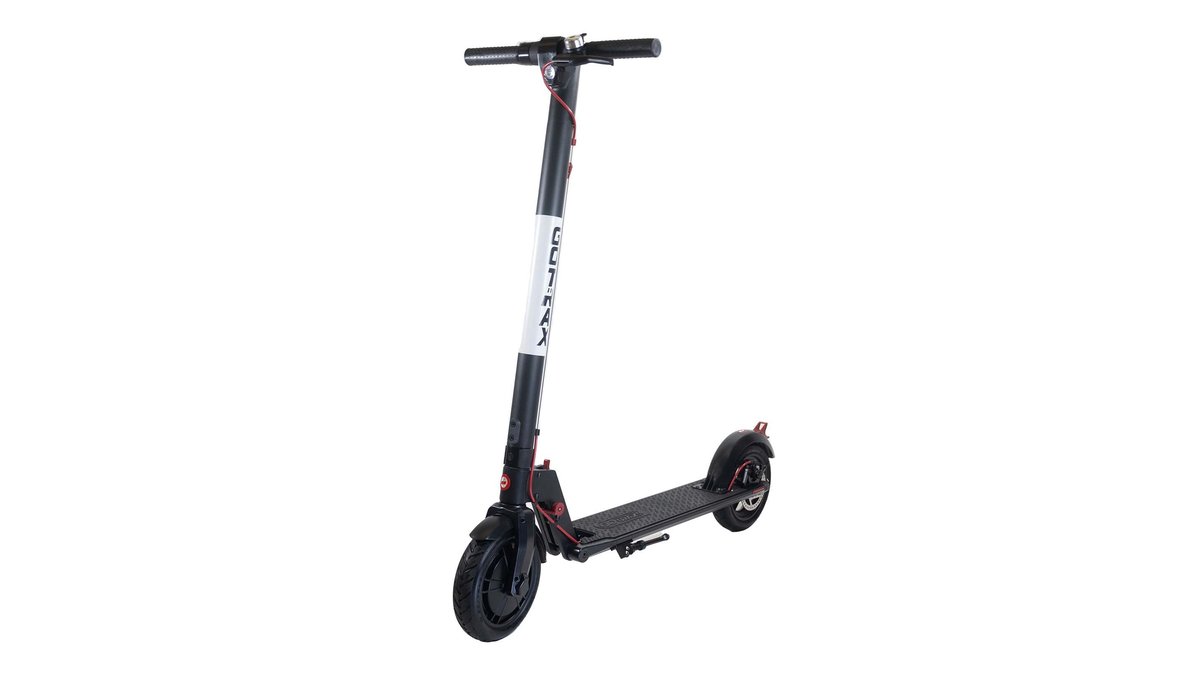
★ Your pick: Gotrax GXL V2
The proven $299 starter that covers short commutes and nothing more
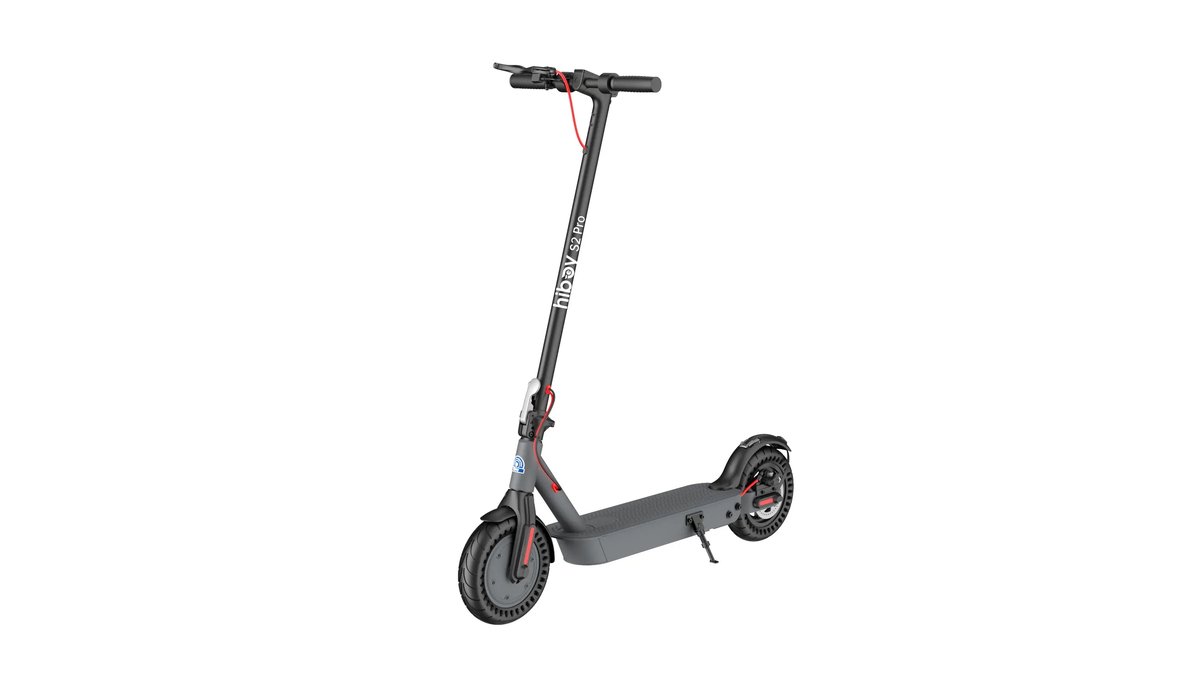
★ Your pick: Hiboy S2 Pro
A solid 19 mph commuter that takes a bolt-on seat for around $420
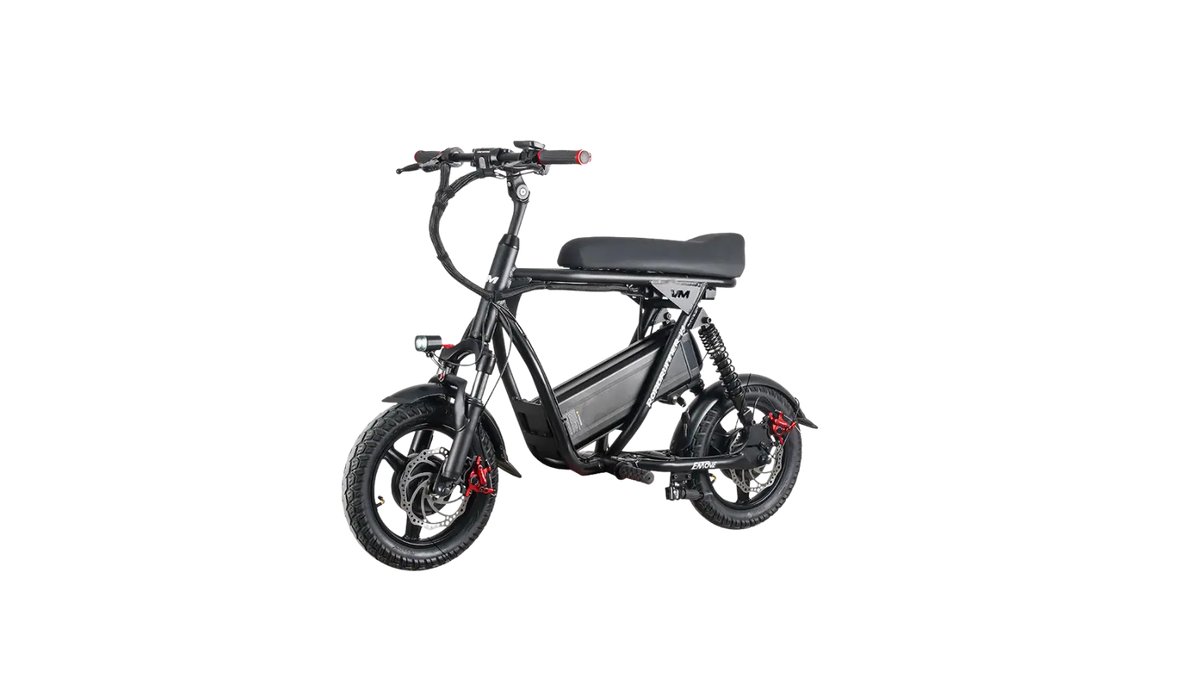
★ Your pick: EMOVE RoadRunner V3
A true seated scooter with a UL 2849-certified battery and 50-mile range
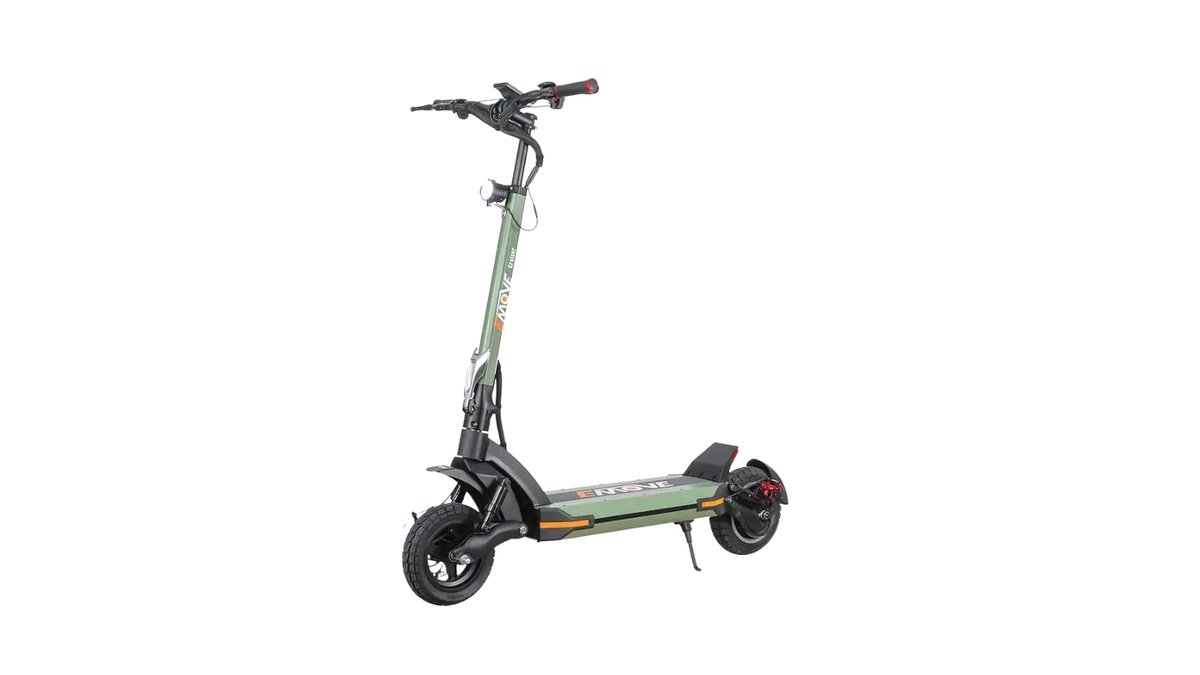
★ Your pick: EMOVE Cruiser V2
62-mile rated range, 330 lb capacity, and a UL 2849-certified LG battery
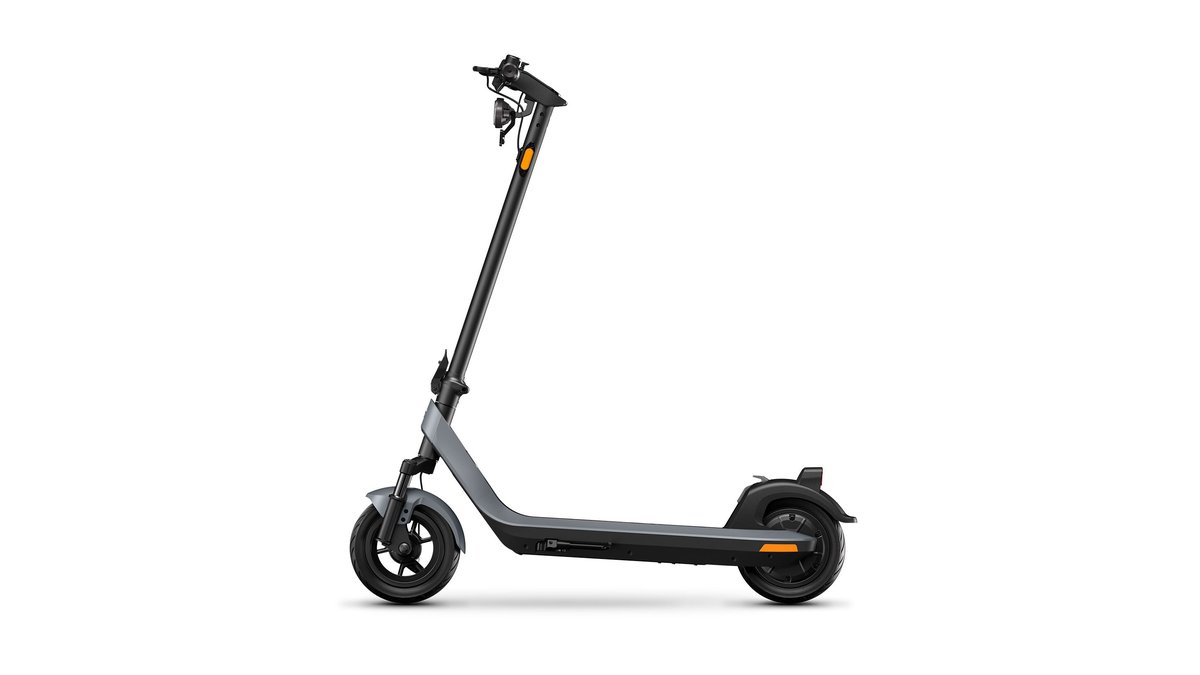
👑 Our Top Pick — Best Overall Value
NIU KQi 200P
Best overall value — real suspension, big rated range, and turn signals for about $549
Opens on our Top Pick. Tap an option to see the best match for you.
Size the Scooter to Your Commute Before You Compare a Single Spec
Here’s the mistake that fills Marketplace with barely-used scooters. People shop scooters the way they shop TVs — biggest number wins. But a scooter is transportation. Transportation gets sized to the route. Three questions do all the work.
How far, round trip? Take your daily miles, then double them for margin. If you ride 4 miles each way, you want a scooter that genuinely does 16. Not because you need all 16. Batteries fade with age and cold. A scooter that limps home at walking speed teaches you to hate it.
How steep? Hills quietly knock out half the budget market. A 250W motor that feels fine on flat ground drops to a crawl on a 10% grade with a 200 lb rider aboard. If your route has real climbs, you want 500W of rated power or more. And a battery big enough to feed it.
How much rider? Weight limits are not suggestions. A 220 lb limit means the brakes, deck, and stem were tested to 220 lbs. If you’re near a scooter’s weight limit — especially with a backpack — move up a class. Two picks in this guide carry 330 lb ratings for exactly this reason.
Now the range math, because this is where every spec sheet fibs a little. Rated range comes from the gentlest test a maker can honestly run: eco mode, a light rider, warm weather, flat pavement. Your commute has none of those. Ride at full speed with normal adult weight and you get roughly half to two-thirds of that number. Winter and hills cut it further. That’s not a scandal. It’s physics. A “33.6-mile” scooter is really an 18-to-22-mile scooter. That still covers most commutes — if you do the math before buying, not after.
Worth knowing: speed limits for scooters are set by your city and state, not by the throttle. Many US cities cap scooters around 15–20 mph on public roads. Fast seated models can fall under moped rules entirely. Check your local rules before you buy anything that cracks 30 mph.
Check the Battery Certification Before You Check the Top Speed
The cheapest way to make a scooter is to skimp where buyers can’t see: the battery pack. A lithium-ion pack is dozens of cells packed together. If one cell fails — from a flaw, a bad charge controller, or damage — it heats its neighbors. Past a point, the whole pack cascades. That chain reaction, called thermal runaway, is the mechanism behind every e-scooter fire story you’ve read. The risk isn’t scooters. It’s uncertified packs and mismatched chargers.
This is what UL certification actually buys you. UL 2272 covers the scooter’s whole electrical system. UL 2849 covers the battery and drive system. To earn either mark, the design has to survive a gauntlet — overcharge, short circuit, crush, vibration, temperature swings, water — without one cell failure spreading. The NFPA’s lithium-ion guidance says the same thing in plain terms. Buy listed devices. Use the charger from the box. Charge where you can see it, not behind your front door. CPSC’s own count backs this up: across e-scooters, self-balancing scooters, and e-bikes, the agency ties 45 deaths to 29 lithium-ion battery fire incidents since 2017, and in each product category, over half of the investigated fires broke out while the device was charging or had just finished.
Among this guide’s picks, the certifications are on the product pages in writing. NIU lists the KQi 200P as UL 2272 certified. Gotrax builds the GXL V2 in accordance with UL 2272. Hiboy lists the S2 Pro as UL 2272 and UL 2849 certified. EMOVE ships the Cruiser V2 with a UL 2849-certified LG battery pack. For any scooter not in this guide, the rule is simple: if the listing won’t name a UL standard, assume there isn’t one and move on. The same chemistry is why airlines obsess over lithium batteries. We broke down those rules in our guide to flying with power banks — it’s the same battery risk, just a different place you’re carrying it.
Watch out: the charger matters as much as the pack. Third-party “fast” chargers can push more voltage than the battery system expects. That’s a classic cause of pack failure. Use the supplied charger, full stop.
The Best Electric Scooters for Adults, Matched to Real Commutes
Five picks, each verified in stock at the linked store this week — three on Amazon, the two EMOVE machines direct from Voro Motors. Prices move with sales, so treat every figure as a ballpark, not a promise.
1. NIU KQi 200P — Best Overall for Most Commuters
≈ $54920 mph33.6-Mile Rated Range43.4 lbs
The KQi 200P is what a scooter looks like when it’s designed around commuting instead of a spec sheet. The 33.6-mile rated range comes from a 365Wh battery. Plan on 18 to 22 real miles. That covers a 5-mile-each-way commute for two days per charge. Front spring suspension and 10-inch tubeless tires soak up rough pavement — cheaper scooters pass every crack straight to your wrists. It also has my two non-negotiables for street riding. First, a front drum brake; NIU quotes a 14.1-foot stop in its dual-brake test at a 265 lb load. Second, real turn signals, so you never take a hand off the bar to point.
The 20 mph top speed is the tell that NIU sized this thing honestly. That’s the legal limit in most US cities anyway. So NIU spent the budget on range, ride quality, and brakes — not on a number you’d rarely get to use. It even undercuts its own class on price at about $549. The app’s charge-limit setting is the sleeper feature. Capping daily charges extends the pack’s life. That’s the cheapest battery insurance there is.
Features
- 365Wh battery, 33.6-mile rated range
- Front spring suspension with 10-inch tubeless tires
- Front drum brake, 14.1-ft stop at a 265 lb load
- Turn signals and bright lighting
- UL 2272 certified
- 43.4 lbs, app-controlled charge limit
Pros
- Real suspension and 10-inch tubeless tires
- drum brake needs no cable fiddling
- turn signals and bright lighting
- app can limit charging to stretch battery life
Cons
- 20 mph will bore riders chasing thrills
- 43.4 lbs is a genuine two-hand carry up stairs
2. Gotrax GXL V2 — Best Budget Pick for Short, Flat Commutes
≈ $29915.5 mph12.5-Mile Range27 lbs
The GXL V2 has been the default “first scooter” in America for years, and the reason is honesty about what it’s for. Gotrax didn’t pretend a $299 scooter could do everything. The 250W motor and 12.5-mile rated range — call it 6 to 8 real miles — do exactly one job. A short, flat hop to work, campus, or the train. At 27 lbs, it’s the lightest pick here by a wide margin. That matters a lot if your commute ends with stairs or a train rack.
The analysis here is about what you’re not paying for. There’s no suspension, so the 8.5-inch pneumatic tires do all the cushioning. No drum brake, no turn signals, no app tricks. What you do get is the safety basics intact: a hand-operated disc brake, plus a build Gotrax states is in accordance with UL 2272. Many rivals at this price skip certification entirely. If your commute is under 3 miles each way and flat, spending more than this buys comfort, not capability.
Features
- 250W motor, 15.5 mph top speed
- 12.5-mile rated range
- 8.5-inch pneumatic tires, no suspension
- Hand-operated disc brake
- Built in accordance with UL 2272
- 27 lbs
Pros
- Proven at scale for years at $299
- 27 lbs is genuinely portable
- UL 2272 build at a bargain price
- simple enough to maintain yourself
Cons
- 250W struggles on real hills
- range math rules out longer commutes
- no suspension means rough pavement is loud and buzzy
3. Hiboy S2 Pro — Best Cheap Way to Get a Seat
≈ $42319 mph25-Mile Rated RangeSeat Option
The S2 Pro is the pick for anyone hunting the best electric scooter for adults with seat money in mind. Hiboy sells it as a standard standing scooter: 500W rated motor, 19 mph, and a 25-mile rated range you should read as 13 to 16 real miles. Then it offers a bolt-on seat variant. That converts it into a sit-down commuter for far less than any purpose-built seated machine. At about $420 for the base scooter, it’s the cheapest path in this guide to riding seated.
Set expectations correctly, though. A bolted-on seat raises your center of gravity on a deck built for standing. It suits relaxed cruising, not aggressive riding. The paperwork underneath is what makes it trustworthy. Hiboy lists it as UL 2272 and UL 2849 certified. The 10-inch solid tires mean flats simply never happen — the classic trade of a firmer ride for zero roadside surprises. Rear suspension takes the edge off what the solid tires pass through.
Features
- 500W rated motor, 19 mph top speed
- 25-mile rated range
- UL 2272 and UL 2849 certified
- 10-inch solid tires with rear suspension
- Bolt-on seat option
- 220 lb weight limit
Pros
- Cheapest credible seat option on the market
- UL 2272 and UL 2849 certified
- solid tires end flat-tire roulette
- 500W handles moderate hills
Cons
- Seat is an add-on, not the design’s center
- solid tires ride firmer than pneumatics
- 220 lb weight limit rules out bigger riders
4. EMOVE RoadRunner V3 — Best Seated Scooter, Full Stop
≈ $1,59534 mph50-Mile RangeUL2849-Certified Battery
If sitting is the whole point, buy a scooter designed around a seat — not one wearing an accessory. The RoadRunner V3 is close to a small electric bike. Dual 500W motors handle hills a standing scooter can’t. A 48V, 1,124Wh battery — UL 2849 certified — feeds a 50-mile rated range. Plan on 25 to 35 real miles. The 330 lb capacity and low stance make it the most comfortable pick here for longer bodies and longer rides.
The honest analysis: at 34 mph, this is no longer a sidewalk toy. Plenty of states will treat it closer to a moped than a kick scooter. That’s not a flaw — it’s a category. You get bike-lane speed with none of the sweat. At 55 lbs, it’s remarkably light for what it is. But ride it where local rules allow, at speeds your helmet choice supports. For a 7-to-15-mile commute where standing the whole way sounds like a chore, nothing near this price does the job as well.
Features
- Dual 500W motors
- 48V, 1,124Wh battery, UL 2849 certified
- 50-mile rated range
- 330 lb weight capacity
- 55 lbs
Pros
- Purpose-built seat, not a bolt-on
- UL 2849-certified battery pack
- dual 500W motors for real hill-climbing
- 330 lb capacity
Cons
- 34 mph can trigger moped-class rules depending on where you live
- too fast for bike paths in many cities
- priced near $1,600
5. EMOVE Cruiser V2 — Best for Long Commutes, Hills, and Bigger Riders
≈ $1,19933 mph62-Mile Rated Range330-lb Limit
The Cruiser has been the long-range benchmark for years, and the V2 shows why the formula keeps winning. The 52V 30Ah pack — over 1,500Wh, built on LG cells, UL 2849 certified — carries a 62-mile rated range. Call it an honest 30 to 40 real miles. That’s a week of 6-mile round trips on one charge. It’s also the rare scooter that truly handles a 15-mile-each-way commute. The 1,000W motor keeps pulling on grades that flatten everything else in this guide. Quad suspension and an IPX6 water-resistance rating make weather a non-event. The 330 lb capacity is the highest here.
The tradeoff is right there on the scale: 74 lbs. You don’t carry this up a walk-up or fold it onto a bus rack. It lives in a garage or a ground-floor hallway. That’s the real decision. The Cruiser V2 replaces a car trip, not a bus ticket. If your commute is long or hilly, or you’re a bigger rider tired of scooters that sag, this is the one built for you. And the certified LG pack means the range came with the safety paperwork.
Features
- 1,000W motor
- 52V 30Ah LG battery, UL 2849 certified
- 62-mile rated range
- Quad suspension, IPX6 water resistance
- 330 lb weight capacity
- 74 lbs
Pros
- Class-leading real-world range
- UL 2849-certified LG battery
- 330 lb capacity and quad suspension
- IPX6 shrugs off rain
Cons
- 74 lbs is immovable up stairs
- 33 mph demands moped-level caution and local-law homework
- overkill for short flat commutes
When a Seat Actually Makes Sense on an Adult Scooter
The seat question splits riders faster than any spec. The honest dividing line: about five miles each way. Under that, standing is fine for almost everyone. A seat just adds weight and bulk. Past that point, it flips the other way. Standing locks your knees and lower back into constant small corrections for 25-plus minutes. That’s exactly the ride length where people quietly stop using their scooter. A seat turns the same commute into something closer to riding a small bike. That’s why seated models keep winning over riders who tried standing first.
There are two ways to get there, and they’re not equal. The bolt-on route — like the Hiboy S2 Pro’s seat variant — is cheap and reversible. But the geometry was drawn for standing. It rides like what it is: a good standing scooter with a stool attached. The purpose-built route — the RoadRunner V3 — puts the seat at the center of the design. Frame, wheel size, and weight balance are all built around a sitting rider. If a seat is a nice-to-have, bolt one on. If it’s the reason you’re buying, buy the machine designed around it.
Before you buy: seated scooters at 30-plus mph count as mopeds in a number of US states. That can mean license, registration, or road-only rules. Five minutes on your state DMV site before checkout beats a fine after.
Frequently Asked Questions
How much should I spend on an electric scooter for commuting?
Match the spend to the miles. Under 3 flat miles each way, a $299 Gotrax GXL V2 does the whole job. The $400–$600 band — home of the NIU KQi 200P and Hiboy S2 Pro — buys suspension, better brakes, and an honest 15-to-20-mile real range. That’s the sweet spot for most commuters. Past $1,000 you’re buying long range, hill power, and higher weight capacity. That only pays off if your commute demands it.
What range do I actually need for a daily commute?
Double your round trip, then compare that to about 60% of the scooter’s rated range. A 5-mile-each-way commute is 10 daily miles. So you want roughly 20 real miles, which means a rated range in the low 30s — like the KQi 200P’s 33.6. The buffer covers cold weather, hills, and the fade every pack picks up with age.
Are electric scooters with seats worth it?
Past about five miles each way, yes. Longer rides wear on knees and lower backs, and that’s when seats stop being gimmicks. Get a purpose-built seated model like the EMOVE RoadRunner V3 if the seat is the point. Get the Hiboy S2 Pro’s bolt-on seat if it’s just a comfort upgrade on a budget.
What does UL 2272 certified actually mean?
It means the scooter’s whole electrical system passed a third-party gauntlet — overcharge, short circuit, crush, vibration, and water exposure — without a cell failure spreading into a fire. UL 2849 is the related standard for the battery and drive system. Either mark is the best fire-safety signal a scooter can carry. A listing that names neither is telling you something too.
How fast do adult electric scooters go, and is 20 mph enough?
Commuter models run 15 to 20 mph. Performance and seated models push past 30. For commuting, 20 mph is enough. It’s the legal limit in most US cities, and lights and traffic set your average speed anyway. Faster machines like the EMOVE pair are great where legal. But check your state’s rules — 30 mph often crosses into moped territory.
Can heavier adults ride electric scooters?
Yes — but let the weight limit lead the shopping. Most budget scooters stop at 220 lbs. Running near that limit cuts range and strains brakes. Both EMOVE picks in this guide — the Cruiser V2 and RoadRunner V3 — carry 330 lb ratings with the motor power to back them up on hills.
Buy the Scooter Your Tuesday Commute Needs, Not Your Fantasy Weekend
Strip the marketing away and the choice comes down to one boring, decisive question: what does your ordinary Tuesday ride look like? If it’s a short flat hop, the Gotrax GXL V2 at $299 is the whole answer. If it’s a real commute with real pavement, the NIU KQi 200P’s suspension, brakes, and honest range make it the pick most adults should just buy. If your knees have opinions, the Hiboy S2 Pro adds a seat for cheap. The RoadRunner V3 builds the whole machine around one. And if the ride is long, steep, or you’re a bigger rider, the Cruiser V2’s certified LG pack goes further than anything near its price.
Whichever way you go, stick to two rules. Plan on about half the rated range. And don’t hand money to any scooter that won’t name its UL certification in writing. The fastest scooter wins the spec sheet. The right-sized, certified one is still under you next year — and that’s the only benchmark that counts.