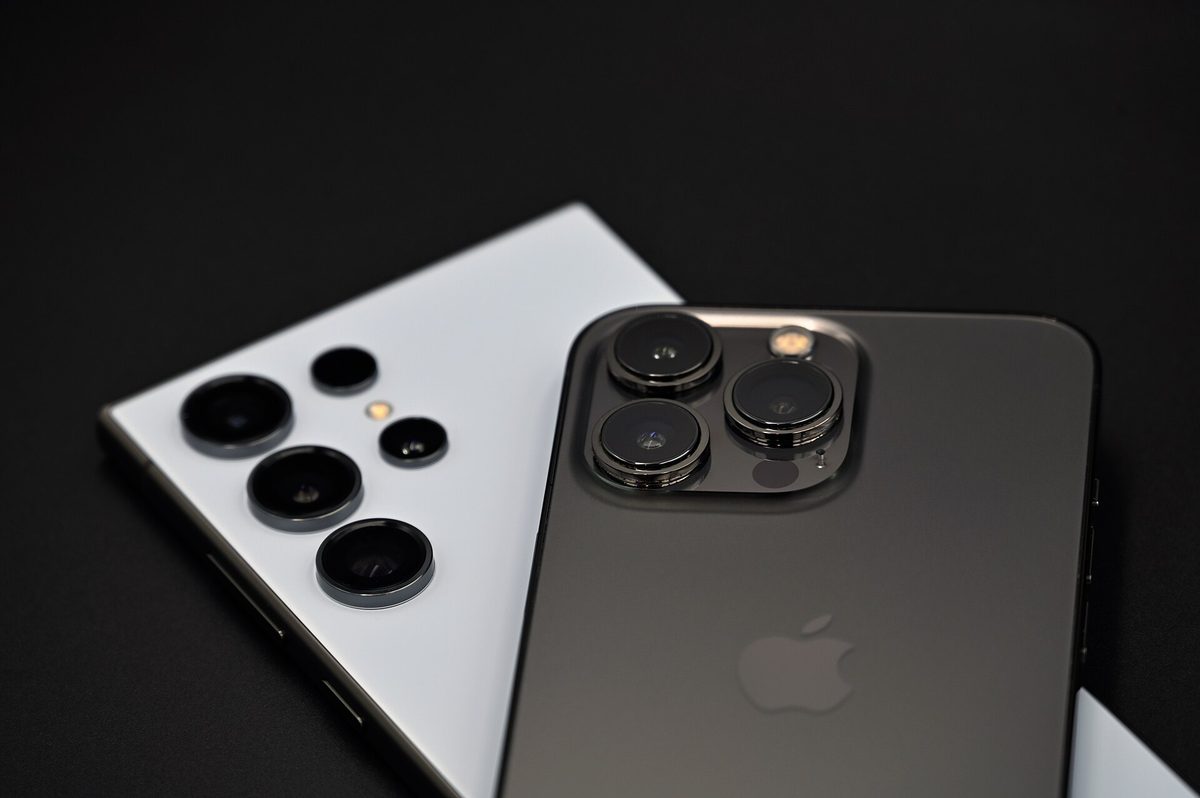
Here’s the thing nobody wants to admit about iphone vs android in 2026: on the stuff people used to argue about all night, the two sides basically tied. Your green-bubble texts are encrypted now. A flagship Android gets updates for as long as an iPhone does, sometimes longer. And Apple’s fancy new Siri will quietly run on Google’s AI. The old shouting match is over. What’s left is a much more useful question — not “which phone is better,” but “which phone is built for a person like you.” That’s the one this guide actually answers, and it takes real sides.
- The 2026 platform gap is narrow. iMessage-to-Android texts finally got end-to-end encryption in iOS 26.5, and Pixel and Samsung flagships now promise 7 years of updates — so the two classic iPhone wins are mostly gone.
- If your budget is tight, there is no new iPhone for you. The cheapest one Apple sells is the iPhone 17e, and Android owns everything below that line, full stop.
- The real lock-in isn’t the phone, it’s the Apple Watch, AirPods, and iMessage around it. Leaving iPhone costs more than leaving Android, and that’s by design.
- Android is ahead on AI in 2026 — which is awkward, because Apple is paying Google around a billion dollars a year to power the smarter Siri with Gemini.
- Buy an iPhone for the tight, no-thinking-required ecosystem. Buy Android for choice, value, repair options, and folding hardware Apple still doesn’t sell. Match the phone to how you actually live.
Why the Old iPhone vs Android Arguments Fell Apart in 2026
For a decade, the iPhone-versus-Android debate ran on three talking points: blue bubbles, longer software support, and “Apple just works.” Two of those three collapsed in the last year, and the third got complicated. If you’re still choosing a phone based on 2021 conventional wisdom, you’re arguing about a war that already ended. Here’s what actually changed.
Green Bubbles Stopped Being a Real Problem
The single most effective marketing Apple never paid for was the green bubble — the social signal that you were the friend “ruining” the group chat. Underneath the pettiness was a genuine gap: texts between iPhone and Android fell back to ancient SMS, no read receipts, potato-quality photos, no encryption.
That gap is closed. Apple added RCS in iOS 18, and in Apple’s May 2026 rollout cross-platform texts between iPhone and Android became end-to-end encrypted for the first time, built on the RCS Universal Profile 3.0 standard. High-res media, typing indicators, read receipts, proper group chats, real privacy — all of it now works across the fence. The bubble is still green (Apple reserves blue for iMessage), so the social sting lingers, but the functional excuse to avoid Android because “texting my iPhone friends sucks” is gone.
Caveat: The encryption is still rolling out as a beta and depends on your carrier plus both people being current — the iPhone needs iOS 26.5 and the Android phone needs the latest Google Messages. Until both ends line up, a chat can silently drop back to unencrypted RCS. It’s a real upgrade, not a finished one.
Android Quietly Won the Longevity Argument
“Buy an iPhone because it lasts longer” was true for years. It isn’t anymore. Google guarantees 7 years of OS and security updates on the Pixel 8 and every Pixel since, and Samsung matches that 7-year promise on its premium Galaxy phones. Apple doesn’t publish a formal number — it just delivers in practice, and iOS 27 this fall still supports the iPhone 11 from 2019, so call it a very solid six-to-seven years.
Net result: at the flagship tier, a Pixel or a high-end Galaxy now offers a written support window that meets or beats the iPhone’s unwritten one. The longevity crown Apple wore for a decade is shared now — and in some cases Android is wearing it.
Keep in mind: That 7-year promise only applies to the expensive Android phones. A cheap budget Android might get one or two OS updates and then go dark. On Android, update longevity is something you buy up to — on iPhone it’s baked in even to the cheap model. That difference matters more than the headline number.
Apple’s Smartest Siri Will Run on Google’s AI
The most 2026 twist of all: Apple spent 2025 apologizing for a “more personal” Siri it demoed and couldn’t ship, delaying it roughly 18 months. The version that’s finally arriving in iOS 27 leans on a custom, Apple-tuned build of Google’s Gemini, reportedly a deal worth around a billion dollars a year. Meanwhile Google’s own Gemini Intelligence shipped first on the Galaxy S26, and the Pixel 11 lineup Google announced on 12 August 2026 is built around it.
So the “Apple leads on the polished stuff” instinct doesn’t hold for AI right now. Android has had agentic, do-things-for-you assistants in the wild longer, and the smartest Siri is powered by the very company Apple fans love to dunk on. If cutting-edge on-device AI is your deciding factor in 2026, Android is the safer bet — for now.
How iPhone and Android Compare on What Actually Matters
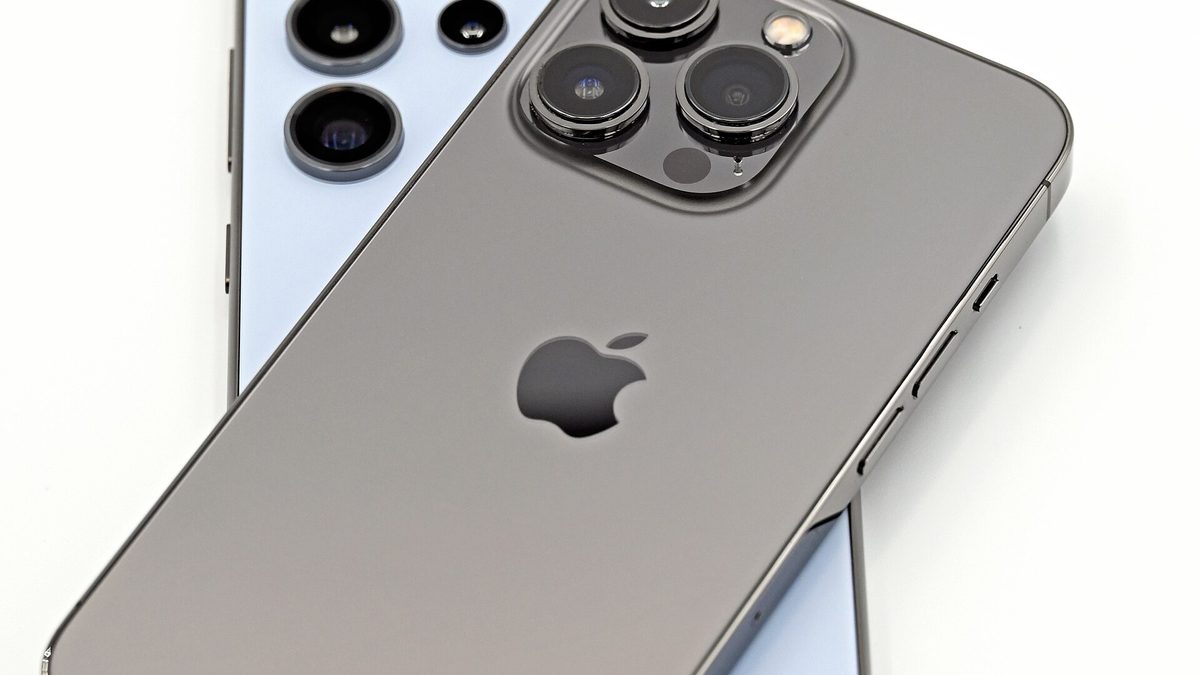
Strip away the tribalism and the real decision comes down to a handful of trade-offs. Here’s the honest 2026 scorecard, and then the three dimensions that need more than a table cell to explain.
| What matters | iPhone in 2026 | Android in 2026 |
|---|---|---|
| Cheapest new model | The iPhone 17e | Dirt cheap to flagship |
| Price ceiling | The 17 Pro Max | Higher still (folding phones) |
| Software updates | ~6–7 years (unwritten) | 7 years guaranteed (Pixel 8+, premium Galaxy) |
| Cross-camp texting | Encrypted RCS since iOS 26.5 | Encrypted RCS via Google Messages |
| Cutting-edge AI | Gemini-powered Siri arriving in iOS 27 | Gemini Intelligence already shipping |
| Hardware variety | 4 models a year, one shape | Foldables, styluses, huge batteries, every size |
| Repairability | Improving, parts-pairing caveats | Ranges from glued flagships to fully modular |
| Privacy (default) | Strong out of the box | Depends on the maker |
| Privacy (ceiling) | Locked to Apple’s approach | Pixel + GrapheneOS goes further |
| Ecosystem lock-in | High (Watch, AirPods, iMessage) | Low, mostly cross-platform |
A table flattens nuance, though, and three of these rows decide more purchases than the rest combined. They’re worth slowing down on.
Price Is Where the Comparison Stops Being Close
This is the least sexy row and the most decisive one. The cheapest new iPhone in 2026 is the iPhone 17e. That is genuinely a lot of phone for the money — an A19 chip, 256GB, Apple Intelligence — but it is also a hard floor. Apple simply does not make anything cheaper, refurbished units aside.
Android has no floor. You can buy a perfectly usable Motorola or Samsung A-series phone for pocket change, a legitimately good Pixel 9a-class mid-ranger for a few hundred, and climb all the way to folding hardware that costs ten times the cheap end. For a huge slice of the world — first phones, second phones, prepaid buyers, anyone who refuses to spend flagship money — the “iphone vs android” choice isn’t a choice at all. There’s only one platform in the room.
Privacy Splits Into Default and Ceiling
“Which is more private” is the wrong question because it has two right answers. For the average person who never opens a settings menu, the iPhone is more private by default: App Tracking Transparency, heavy on-device processing, and a business model that isn’t primarily built on selling your attention. Google’s is.
But the ceiling belongs to Android. Because the platform is open, a Pixel running GrapheneOS is the most locked-down mainstream phone you can carry, period — more than any iPhone. Apple’s privacy is excellent and fixed; Android’s is mediocre by default and unlimited if you’re willing to work for it.
Tip: If maximum privacy is the whole reason you’re choosing a phone, the answer isn’t an iPhone — it’s a Google Pixel with GrapheneOS installed. It’s the one setup that beats Apple at its own game, and it only exists because Android lets you replace the operating system.
Repairability and the Parts-Pairing Catch
Both platforms got more repairable under regulatory pressure, and both hedged. Apple now runs a Self Service Repair program and has eased some of its “parts pairing,” the practice of serializing components so a third-party screen or battery throws warnings. Android is all over the map: most flagships are glued-shut slabs no easier to fix than an iPhone, while Fairphone builds a genuinely modular phone you can take apart with a screwdriver.
If long-term fixability drives your decision, don’t think “iPhone vs Android” — think of the specific model, because the spread within Android is wider than the gap between the platforms. Curious how fast hardware ambition is moving, from folding screens to under-display cameras? Our look at the rumored Apple foldable shows even Apple is chasing form factors Android normalized years ago.
Which Phone Fits Which Kind of Buyer
Enough hedging. This is where most guides go limp with “it depends,” and it’s exactly where you need someone to just tell you. Below are the six buyers who actually ask this question, and the honest call for each.
Switchers Leaving One Platform for the Other
If you’re switching to iPhone, it’s easy and Apple has made it that way. If you’re switching away from iPhone, brace yourself — the friction is intentional. The move itself is fine; it’s the stuff orbiting the phone that stings. My honest take: don’t switch platforms for a single feature. Switch only if your whole situation changed (you left the Apple ecosystem, or you finally want a foldable). A one-feature itch isn’t worth relearning everything.
The catch: Before you leave iPhone, turn off iMessage and deregister your number at Apple’s deregister page. Skip this and Apple’s servers keep trying to deliver your friends’ texts as iMessages to a phone that no longer has it — and those messages just vanish. It’s the single most common switching disaster, and it’s completely avoidable.
Families Buying for Kids and Parents
For most families, the iPhone is the path of least resistance, and that’s a real feature when you’re managing three generations of tech support. Screen Time, Find My, and a used iPhone that still gets updates for years make hand-me-downs painless. But it’s expensive to outfit everyone in Apple, and Google’s Family Link parental controls are just as capable on cheaper hardware.
The call: if the family is already on iPhone, adding another one keeps location sharing and messaging seamless — buy the iPhone. If you’re starting fresh and cost matters, a fleet of mid-range Androids with Family Link does the same job for far less money.
Budget Buyers on a Tight Ceiling
There’s nothing to debate. New, Apple’s cheapest phone is the 17e, so anyone with a hard budget below it is buying Android. The only real decision is which Android — and here’s where the update trap bites. Spend the extra bit for a Pixel a-series or a Samsung A-series with a longer support window rather than the cheapest no-name phone that’ll stop getting security patches in a year. Buy the cheapest phone with the longest promise, not just the cheapest phone.
Privacy-Focused and Security-Conscious Users
This splits cleanly. If you want strong privacy without effort, buy an iPhone and change nothing. If you want the strongest privacy that exists on a phone and you’ll put in the work, buy a Pixel and run GrapheneOS. Do not buy a random ad-heavy Android skin and expect privacy — the default Android experience from some makers is the worst option in this whole comparison. Privacy on Android is a choice you have to actively make; on iPhone it’s the starting point.
Apple Watch, AirPods, and Mac Owners
If you already own an Apple Watch, this section is the whole decision. The Watch is useless without an iPhone — it will not pair with Android, ever. Add AirPods that switch seamlessly between your devices, a Mac that hands off calls and copy-paste, and iMessage on all of it, and the switching math stops being about phones. You wouldn’t be changing a phone; you’d be replacing a whole connected kit. Stay on iPhone unless you’re prepared to sell the ecosystem with it.
Creators, Tinkerers, and Power Users
This is the one genuinely split verdict. For video, the iPhone is still the safest creator tool — consistent color, ProRes, and the widest app support, which is why so many shoots run on iPhones. But if you want a real file system, sideloaded apps, USB-C accessories that just mount, split-screen multitasking, or a stylus and a folding canvas like Samsung’s Galaxy Z Fold 8, Android hands you control iOS still won’t. Shooting video for a living? Lean iPhone. Building, automating, or tinkering? Android was made for you.
The Real Cost of Switching Platforms
Here’s the part the spec sheets hide: the phone is the cheap part of this decision. What actually locks you in is everything you bought around it. That’s why “iPhone vs Android” feels so heavy — you’re not comparing two gadgets, you’re comparing two entire kits you’ve already sunk money into.
Leaving iPhone is the expensive direction. Your Apple Watch becomes a paperweight, your AirPods lose their seamless switching, apps you paid for may need re-buying on Google Play, and your entire photo and message history has to be migrated with a tool like Google’s “Switch to Android” or Apple’s “Move to iOS.” None of it is impossible — Google and Apple both build migration tools precisely because so many people cross over — but it’s a weekend, not an afternoon. Your phone number rides along as an eSIM transfer on most carriers now; our breakdown of eSIM vs physical SIM tradeoffs covers what that part of the switch involves.
Leaving Android is lighter, mostly because Google’s services (Gmail, Photos, Drive, Maps) all run beautifully on iPhone too, so your digital life follows you. That asymmetry is the quiet reason Apple’s ecosystem feels “stickier” — it’s not that iPhone is better, it’s that Apple designed the exits to hurt. Knowing that going in is how you choose with your eyes open instead of getting trapped by a watch you bought two years ago. If you’re weighing a broader jump, our rundown of what Android brought to the table with the Pixel 10 and Android 16 is a good reality check on how far the other side has come. Whichever way you jump, wipe the handset you are leaving behind before it reaches a buyer or a trade-in counter — what a factory reset actually wipes is worth reading first.
Frequently Asked Questions
Is iPhone or Android better in 2026?
Neither, and anyone who answers that flatly is selling you their own preference. In 2026 the platforms tied on the things they used to fight about — encrypted cross-texting, update longevity, core features. iPhone wins on ecosystem tightness and default privacy; Android wins on price, choice, repair options, hardware variety, and cutting-edge AI. “Better” depends entirely on which of those you actually care about.
Are green bubble texts still worse on iPhone in 2026?
Functionally, no. Since iOS 26.5, texts between iPhone and Android use encrypted RCS with read receipts, typing indicators, and full-quality photos and video — the stuff that used to be missing. The bubble is still colored green because Apple reserves blue for iMessage, so the social signal survives, but the actual messaging experience is now solid across both platforms.
Do Android phones get updates as long as iPhones now?
At the flagship level, yes — and sometimes longer. Google promises 7 years of updates on the Pixel 8 and newer, and Samsung matches that on its premium Galaxy phones. Apple delivers roughly six to seven years in practice without publishing a formal figure. The catch is that cheap Android phones still get far shorter support, whereas even the budget iPhone inherits Apple’s long update tail.
What’s the cheapest new iPhone I can buy in 2026?
The iPhone 17e is Apple’s entry model, with an A19 chip, 256GB of storage, and full Apple Intelligence support. There is nothing cheaper in Apple’s new lineup. If your budget is below that, your only new-phone option is Android, which starts at a fraction of that.
Is it hard to switch from iPhone to Android?
It’s very doable, but do one thing first: turn off iMessage and deregister your number with Apple, or texts from iPhone friends can disappear into Apple’s servers instead of reaching your new phone. After that, Google’s migration tool moves your photos, contacts, and messages over. Expect an evening of setup, not a five-minute swap — and know that any Apple Watch you own won’t come with you.
Which phone is best for privacy, iPhone or Android?
For effortless privacy, the iPhone, because it’s private by default. For maximum privacy, a Google Pixel running GrapheneOS, which goes further than any iPhone can. Regular Android from ad-focused makers is the weakest of the three. So the real answer is that Android holds both the best and the worst privacy outcomes, while iPhone sits reliably in the strong middle.