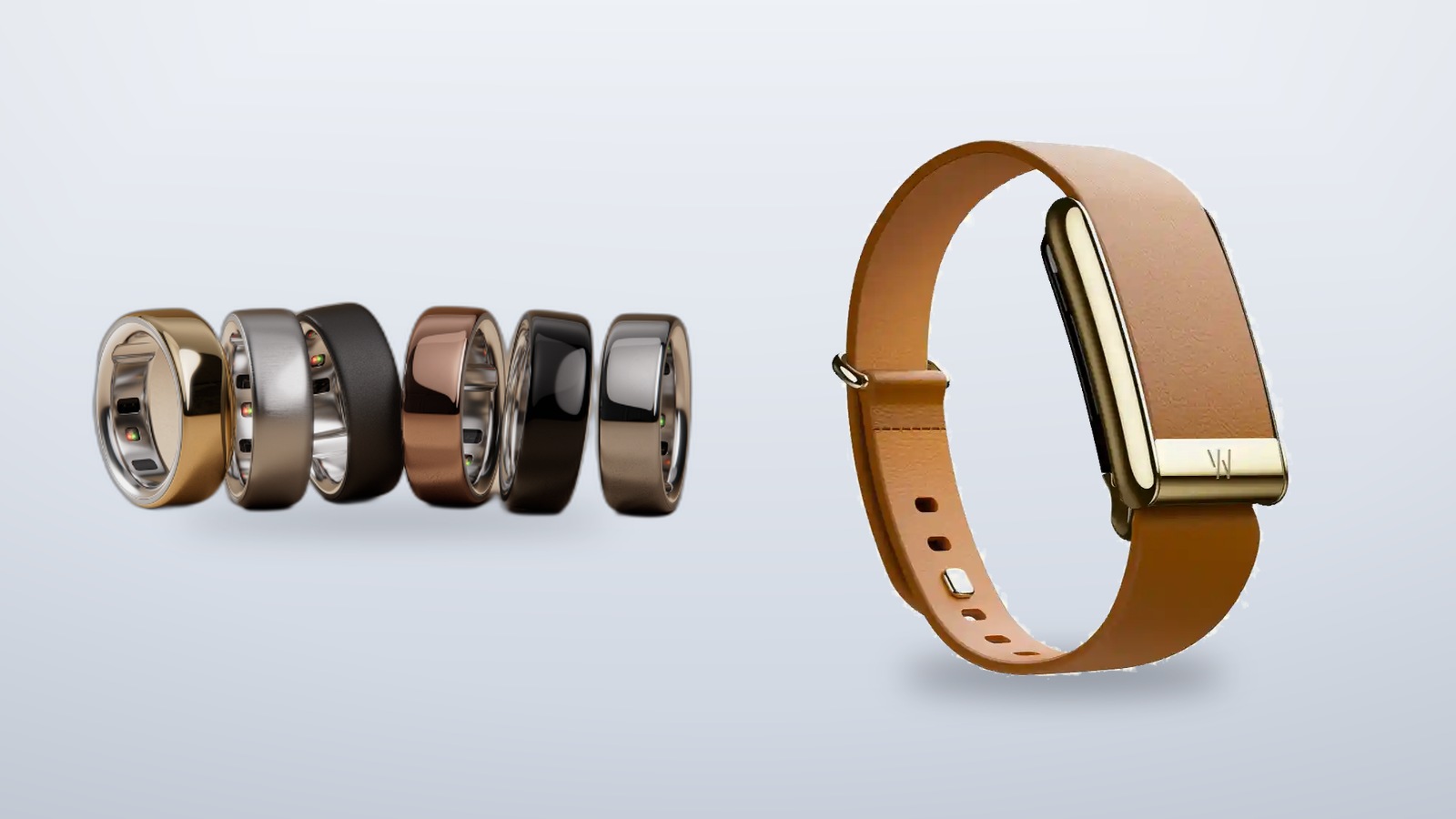
If you want serious sleep and recovery data without a watch face nagging you for attention, you have almost certainly landed on the same two names everyone else does. The Whoop-or-Oura choice just got more interesting, though, because both companies refreshed their lineups. Oura now sells the Ring 4 alongside the smaller Ring 5, which started shipping in June 2026. Whoop offers two devices too: the standard Whoop 5.0 and the sensor-upgraded Whoop MG. This guide is a researched comparison, updated in late August 2026, not a hands-on lab test. Every hard number here is tied to its source. Where the honest answer is “it depends on how you sleep and train,” it says so.
Heads up: this post contains affiliate links, and we may earn a small commission at no extra cost to you.
- The ring still owns sleep. Oura’s sleep staging has the best outside test record of any wearable you can buy, and the new Oura Ring 5 is a claimed 40 percent smaller without giving that up.
- Whoop still owns training. Its strain-and-recovery coaching is built for people who train hard, and the 14-plus-day battery charges while you wear it, so you never miss a night.
- The pricing models are opposites. Oura sells a ring for roughly $350 to $500 plus a plan around $6 a month. Whoop sells no hardware at all: yearly plans run from just under $200 to the mid-$300s, device included, and the band goes dark if you stop paying.
- Whoop MG adds ECG readings and blood pressure trends. Know the history, though: the FDA sent Whoop a warning letter over the blood pressure feature in 2025 and only closed it in mid-2026 after Whoop changed the feature and its labeling.
- Neither device has a screen or built-in GPS. Pick Oura for sleep, readiness, and women’s health in a discreet ring. Pick Whoop for training coaching on the wrist.
What do you actually want this thing to do?
★ Your pick: Oura Ring 5
The most sleep-focused hardware here, now smaller and rated for 6 to 9 days of battery.
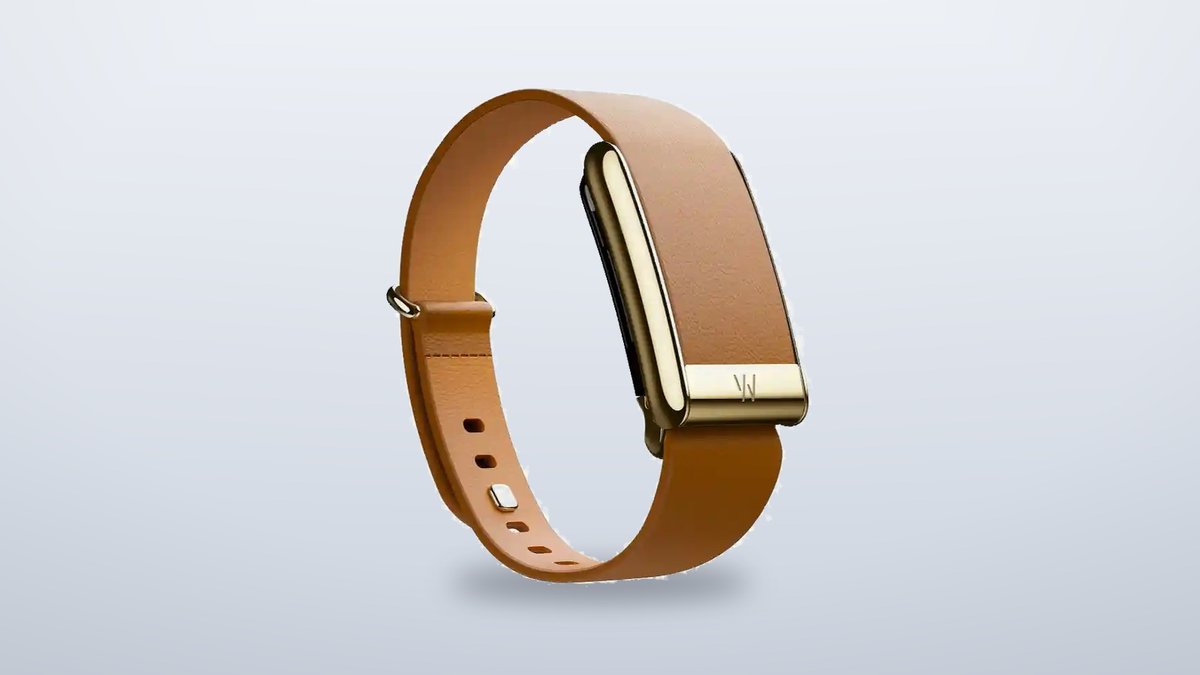
★ Your pick: Whoop 5.0
Strain and recovery coaching built for athletes, with a battery that charges while you wear it.
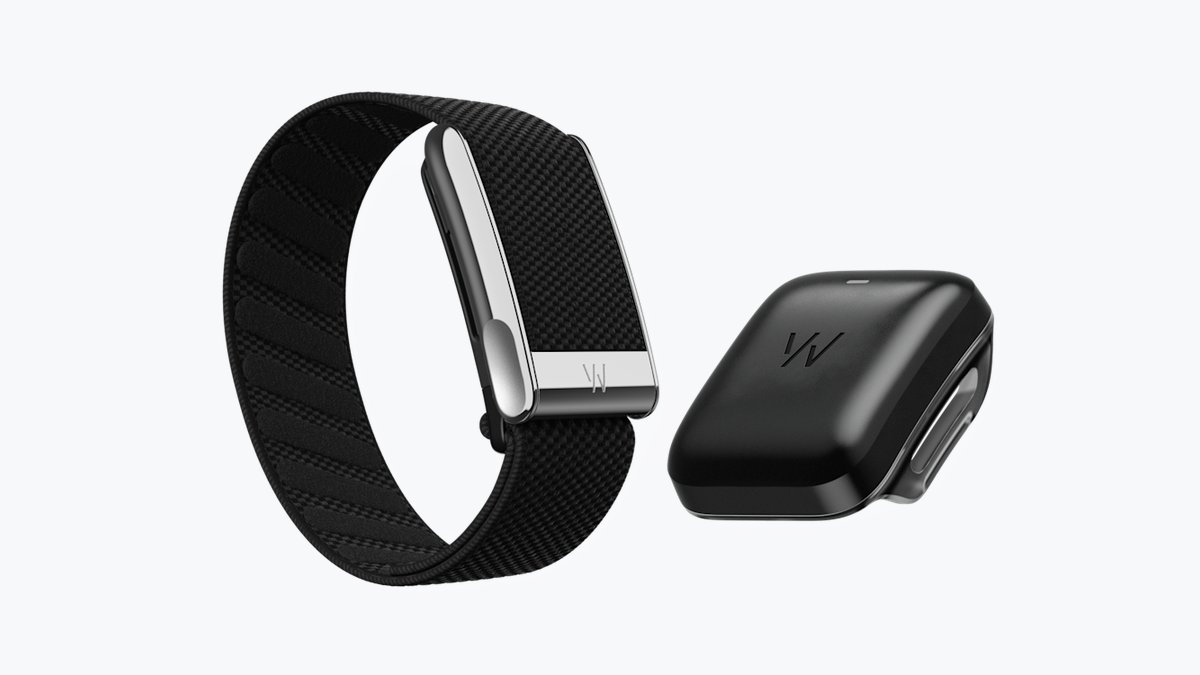
★ Your pick: Whoop MG
ECG readings and blood pressure trends on top of everything the 5.0 does, via Whoop’s top plan.
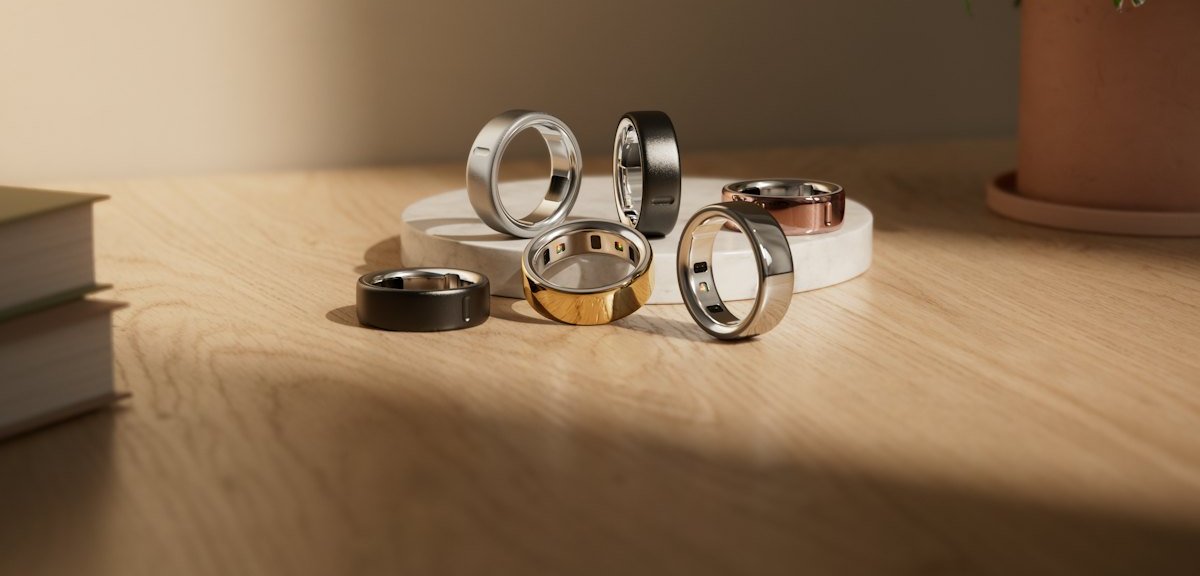
★ Your pick: Oura Ring 4
Ring prices start around the mid-$300s, and the plan costs less per year than any Whoop tier.
👑 Our Top Pick — Best Overall Value
Oura Ring 4
Best overall value now that the Ring 5 exists. Same plan, same app, strongest sleep test record, and street prices keep drifting down.
Opens on our Top Pick. Tap an option to see the best match for you.
How the Two Ecosystems Actually Differ
The fundamental split is still form factor. Almost everything else flows from it.
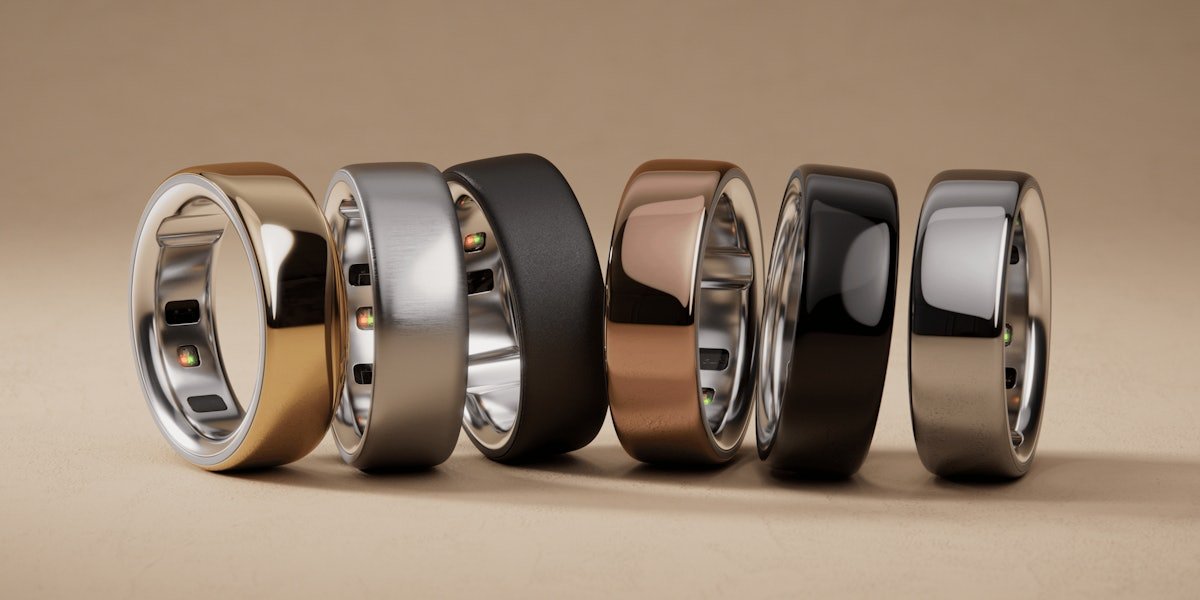
Oura puts its sensors in a titanium ring. No screen, no buttons, nothing to glance at. You wear it, forget it, and check your numbers in the phone app. You buy the ring outright, then pay a monthly fee for the full data. Two versions are on sale right now: the Ring 4, and the Ring 5 that Oura announced on May 28, 2026 and shipped in early June.
Whoop puts its sensor in a screenless module that slides into a knit fabric band, worn on the wrist or the bicep. You never buy Whoop hardware. You buy a plan, and the device comes bundled with it. The current lineup has three yearly tiers. One and Peak ship the Whoop 5.0. The top Life tier ships the Whoop MG, the version with medical-grade extras.
That single decision, ring versus band, shapes comfort, battery, accuracy, and cost. Both devices sync to a phone app, so neither shows you anything mid-workout. If you want live pace or a glanceable heart rate on your body, you want a watch, not either of these.
Whoop vs Oura Ring at a Glance
| Feature | Whoop 5.0 / MG | Oura Ring 4 / Ring 5 |
|---|---|---|
| Form factor | Screenless sensor in a knit band, wrist or bicep | Titanium finger ring, no screen |
| Primary metrics | Strain (0-21), Recovery (0-100%), Sleep performance | Sleep, Readiness, and Activity scores |
| Sleep-stage agreement vs. lab tests | Lower in published third-party summaries (~60-65%) | Highest among consumer wearables (~79%, per third-party summaries) |
| Battery life | 14+ days per Whoop; charges while worn via PowerPack | Ring 4: up to 8 days. Ring 5: 6 to 9 days per Oura |
| Cost model | Membership only, hardware included | Buy the ring, then a plan around $6/month |
| 2026 plans | Three yearly tiers from just under $200 to the mid-$300s | Ring roughly $350-$500 up front; plan roughly $70/year |
| Medical-grade extras | ECG and blood pressure trends on Whoop MG (Life tier) | Temperature-driven cycle tracking, illness early signals |
| Built-in GPS | No (uses phone GPS) | No |
| Best for | Athletes who want strain and recovery coaching | Sleep, readiness, women’s health, all-day comfort |
Prices and tiers above are as listed by Oura and Whoop in late August 2026. They are shown as ranges because both companies adjust them without notice.
What the Oura Ring 5 Actually Changes
The Ring 5 is Oura’s answer to the one honest complaint about smart rings: they are chunky. Oura says the new ring is 40 percent smaller than the Ring 4, at 6.09 mm wide and 2.28 mm thick, weighing from about 2 grams. Those figures come from the company’s own launch post. Reviewers who have handled it agree it finally wears like ordinary jewelry.
The accuracy story matters more than the shrink. The Ring 5 moves to 12 signal pathways with new low-profile sensor domes. Oura says these give better readings across more finger shapes and skin tones. The company also claims the pulse signal at the finger is up to 100 times stronger than at the wrist. Treat that as a vendor claim, not an outside result. It does fit what sleep studies have shown for years, though: finger-based trackers lead because the arteries sit closer to the surface there.
Battery is rated at 6 to 9 days. On paper that is a small step down from the Ring 4’s up-to-8-day rating, but there is a new option the Ring 4 never had: a charging case that Oura says stretches total unplugged time to around a month. Retail pricing lands just under $400 for the basic finishes, with premium finishes pushing toward $500, per launch coverage and major retailer listings.
Before you buy: Oura ships a free plastic sizing kit before your ring, and you should actually use it. Ring 5 sizes run 6 to 13, and a loose ring reads worse at night, when your fingers shrink.
What Whoop MG Adds and Who Needs It
Whoop’s 2026 lineup splits in two. The Whoop 5.0 is the standard device: same screenless module, 14-plus-day battery, and the strain-recovery coaching Whoop is known for. The Whoop MG, short for medical grade, adds two headline features. It takes on-demand ECG readings from sensors in the band hardware, and its Blood Pressure Insights feature estimates blood pressure trends overnight. The MG only comes with Whoop’s top Life tier, per the company’s membership page.
Here is the part a comparison owes you. In July 2025, the FDA sent Whoop a warning letter arguing that Blood Pressure Insights made the band an unapproved medical device. Whoop publicly disagreed, then changed the feature and its labeling. The FDA closed the letter in June 2026 based on those changes. The feature survives, but the episode is a useful reminder. Blood pressure from a wrist wearable is a trend signal, not a diagnosis, and no wearable here replaces a cuff or a doctor.
So who is the MG for? Someone who already wants Whoop’s coaching, will genuinely act on ECG and blood-pressure trend data, and accepts paying the mid-$300s yearly for it. For everyone else, the 5.0 does the parts of Whoop that made Whoop famous.
Real talk: no outside lab has published a head-to-head of the Ring 5 against the Whoop MG yet. Every accuracy figure in this post was measured on earlier hardware. Both companies’ newest claims should firm up or fall over the next year of published testing.
How They Track Sleep and Recovery
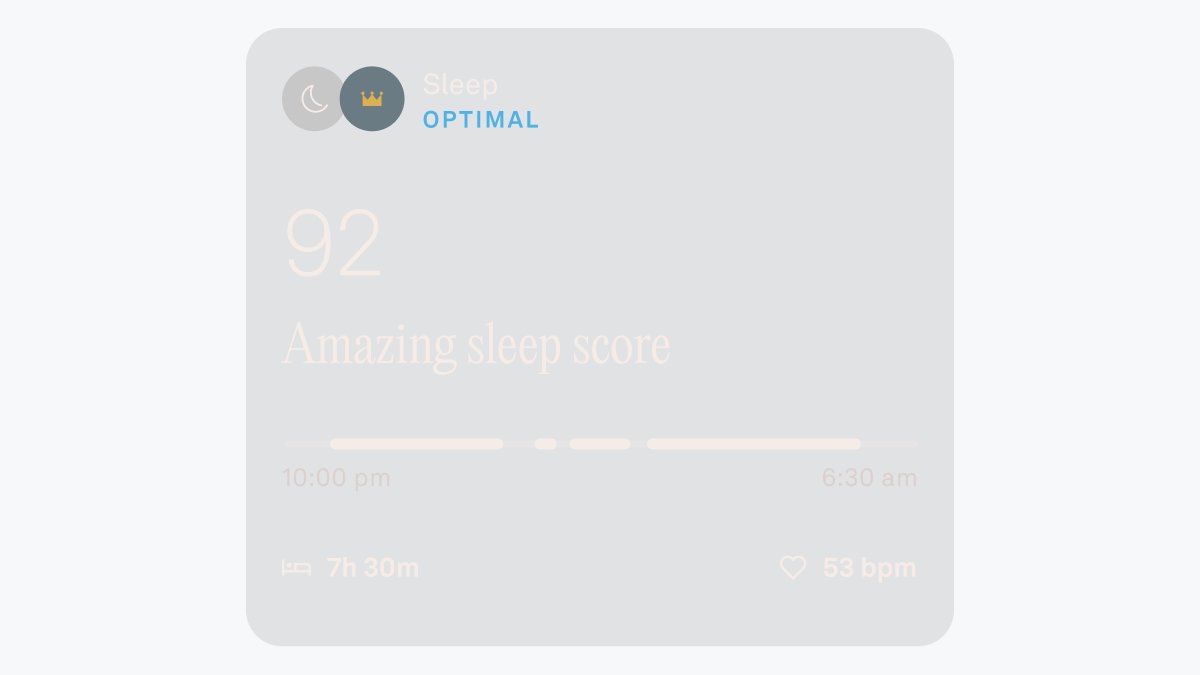
This is where the sleep question gets interesting, because the two systems do not frame the same biology the same way.
Oura’s whole identity is built around sleep and readiness. The ring gives you a nightly Sleep score and a morning Readiness score. That score blends resting heart rate, heart rate variability, body temperature trend, and prior-day activity. It tracks naps on its own and leans hard into long-term temperature trends, which power its illness early signals and cycle features. If your core question is “why did I sleep badly, and should I take it easy today,” the entire product is designed around answering it.
Whoop frames the same signals through an athletic lens. Strain scores the workload of your day from 0 to 21. Recovery reads 0 to 100 percent each morning, built from HRV, resting heart rate, sleep, and breathing rate. Sleep performance compares the sleep you got against what your body needed. The pitch is the feedback loop: train, recover, and let the band tell you when to push. A chat-style AI coach that answers plain questions about your own data rounds it out.
Neither approach is wrong. One is a sleep product that understands training. The other is a training product that takes sleep seriously.
How Accurate Each One Really Is
On accuracy, the honest summary has not changed with the new hardware: both are good, at slightly different things.
For resting heart rate and overnight HRV, third-party test summaries put both platforms near medical grade, with agreement close to 0.99 against ECG references. Those are the inputs that drive the recovery and readiness scores you actually act on. Neither device will mislead you where it matters most day to day.
Sleep staging is where the gap appears. Outside roundups of published testing, including the trackers covered by the Sleep Foundation, consistently report Oura’s sleep-stage agreement against lab sleep studies as the highest among consumer wearables, at roughly 79 percent. Wrist-based devices, Whoop included, land in the 60 to 65 percent range. Anatomy explains part of it: a finger ring reads a cleaner blood-flow signal than a wrist sensor.
Two honest qualifiers. Those figures come from third-party summaries, not one controlled head-to-head, so treat them as directional. And they were measured on earlier hardware. The Ring 5’s 12-pathway sensor array and the MG’s upgraded sensors have not yet been through the same published wringer.
How Long the Batteries Really Last
Whoop made battery a headline feature, and it still wins this category outright. The company rates both the 5.0 and the MG at 14 or more days per charge. The charging method is the real advantage: a wireless PowerPack slides onto the sensor and tops it up while you keep wearing the band. For a device whose entire value is round-the-clock measurement, never taking it off means never losing a night.
Oura’s story is shorter but improving. The Ring 4 is rated up to 8 days, with real-world life typically 5 to 8 depending on size and settings. The Ring 5 is rated 6 to 9 days, and its optional charging case stretches total time away from a wall outlet to about a month, by Oura’s claim. You still have to take the ring off to charge it. That means a data gap unless you time it around a shower.
Watch out: the wireless PowerPack comes bundled with Whoop’s Peak and Life tiers, but the entry One tier ships the device alone. On the cheapest plan you charge the old way, so the charge-while-worn advantage is really a mid-tier-and-up feature.
What Each One Costs You in 2026
The subscription math is where many buyers change their mind, because the two models are different animals.
With Whoop, you buy a plan and the hardware comes with it. As of late August 2026, the three yearly tiers run from just under $200 for One, to around the mid-$200s for Peak, to the mid-$300s for Life, the only tier that includes the Whoop MG. There is no version of Whoop that works without an active plan. Stop paying and the band stops being useful.
With Oura, you buy the ring up front, roughly $350 to $500 depending on version and finish. Then you pay a plan that runs about $6 a month or roughly $70 a year, with the first month free. The catch that surprises shoppers: without the plan the ring still works, but you only see basic daily Sleep, Activity, and Readiness scores. The detailed data that justifies the purchase sits behind the paywall, so plan on paying it.
Run rough three-year math and Oura lands cheaper. Ring plus three years of the plan costs less than three years of any Whoop tier above One, and you still own a working ring at the end. Whoop’s counterargument is real, though. Hardware refreshes are folded into the plan, so Whoop members got new devices when the 5.0 generation landed. Oura owners pay full price to jump generations.
Worth knowing: Oura’s plan price has held at about $6 a month across the Ring 4 and Ring 5, and one plan covers whichever ring you wear. Upgrading the hardware never adds a second subscription.
Which Device Wins Each Use Case
Here is the verdict table this comparison builds to, one line per use case, with the reasoning below it.
| Use case | Winner | Why |
|---|---|---|
| Sleep tracking | Oura | Strongest published sleep-stage test record, and the most sleep-focused app |
| Recovery guidance | Whoop | Recovery score plus strain budget turns the data into daily coaching |
| Training load | Whoop | Strain, VO2 max estimates, and load trends are built for athletes |
| Women’s health | Oura | Temperature-driven Cycle Insights and pregnancy features lead the category |
For Sleep, the Ring Wins Outright
If precise sleep-stage data is the reason you are shopping, buy the ring. Its test record is the strongest in the consumer category. The app is built around the question of why you slept the way you did. And the hardware disappears at night in a way a wrist band does not for everyone. The Ring 5 only widens this lead on comfort.
For Recovery and Training, Whoop Wins
Both platforms compute a morning readiness number from the same biology. Whoop wins because of what it does with it. The recovery score feeds a daily strain target, so the app actively tells you how hard to train today, not just how you slept. Runners and lifters who plan their training in cycles will feel the difference within a month. Endurance reviewers such as the5krunner consistently rate Whoop’s strain-and-recovery platform as the strongest available, while flagging the missing GPS and screen.
For Women’s Health, Oura Leads the Category
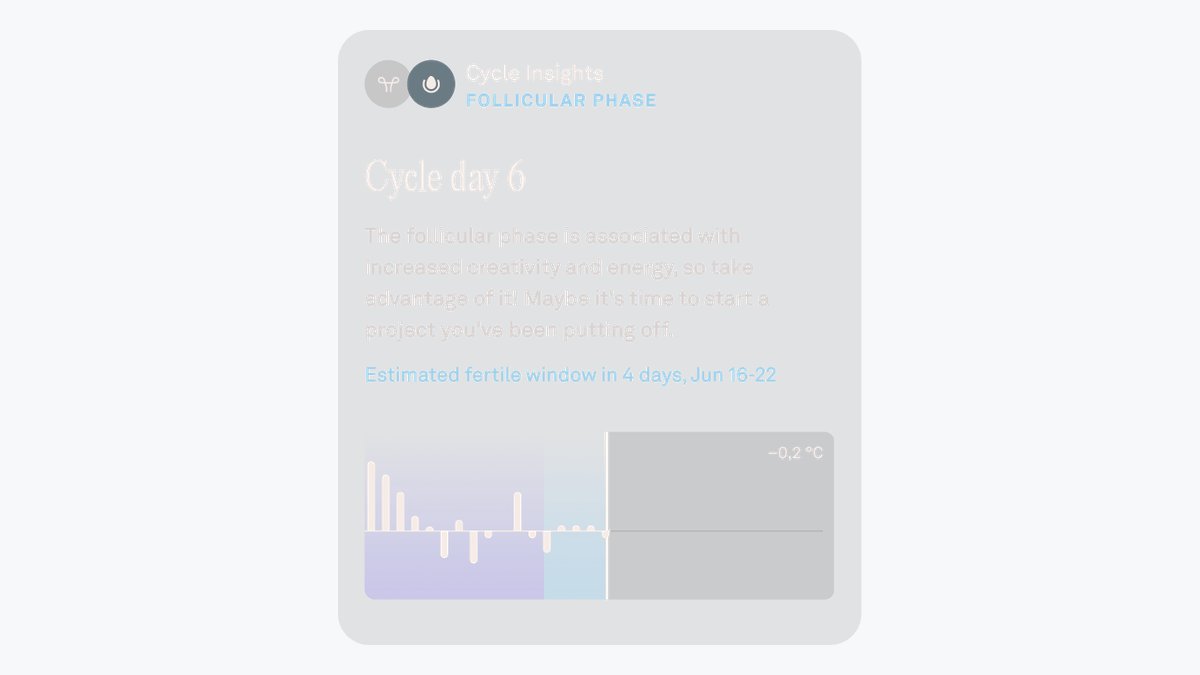
Oura’s finger-based temperature sensing powers Cycle Insights, which tracks cycle phases and estimates fertile windows from nightly temperature shifts, plus dedicated pregnancy insights. Oura also works with Natural Cycles, the FDA-cleared birth-control app, feeding it the ring’s temperature data in place of a morning thermometer. Whoop competes here more seriously than most people realize, with hormonal insights that adjust its coaching around cycle phases. But the depth and the temperature-first hardware advantage sit with the ring.
For Medical-Grade Extras, Whoop MG Stands Alone
Nothing on Oura’s spec sheet answers the MG’s on-demand ECG or blood pressure trends. If those two features are decision-makers for you, the comparison collapses to one option, at Whoop’s top-tier price and with the FDA history above as context. Just be clear-eyed about what trend data is and is not: a screening prompt to see a professional, never a substitute for one.
Frequently Asked Questions
Is the Whoop or Oura Ring more accurate for sleep?
Based on third-party summaries of published testing, Oura reports the highest sleep-stage agreement against lab sleep studies among consumer wearables, around 79 percent. Wrist-worn devices including Whoop land roughly in the 60 to 65 percent range. For resting heart rate and HRV, both are reported near medical grade. Those figures come from earlier hardware; the Ring 5 and Whoop MG have not yet been through the same published testing.
Should I buy the Oura Ring 4 or Ring 5?
The Ring 5 is the better ring: smaller by a claimed 40 percent, more sensor pathways, and an optional charging case. The Ring 4 is the better deal. It runs the same app and plan, its sleep tracking carries the long test record, and its price starts lower. If comfort has kept you off smart rings, the Ring 5 is the one that fixes it.
What is the Whoop MG and is it worth the Life tier?
The Whoop MG is the medical-grade version of the Whoop 5.0. It adds on-demand ECG readings and overnight blood pressure trends, and it only comes with the top Life plan, in the mid-$300s per year. It is worth it if you will genuinely act on heart-health trend data. Otherwise the standard 5.0 delivers the coaching that makes Whoop worth wearing.
Can you use Whoop or Oura without a subscription?
They fail differently. Whoop has no subscription-free mode at all: the hardware comes with the plan, and the band stops being useful if you stop paying. An Oura ring without a plan keeps working, but you only see basic daily Sleep, Activity, and Readiness scores. For full value, budget roughly $70 a year for Oura or just under $200 and up for Whoop.
Which has better battery life, Whoop or Oura?
Whoop, and it is not close on uninterrupted wear. Both the 5.0 and MG are rated at 14-plus days, and the PowerPack charges the sensor while you keep wearing it. Oura rates the Ring 4 at up to 8 days and the Ring 5 at 6 to 9 days, and the ring comes off to charge. The Ring 5’s optional case does stretch total unplugged time to about a month.
Do Whoop or Oura have a screen or GPS?
No on both counts, for both brands. Every device here is deliberately screenless. All data lives in the phone app over a Bluetooth connection, and route or pace tracking on a run relies on your phone’s GPS. If you want a display or built-in GPS, you are shopping for a watch, not a ring or a band.