A budget zoom camera can have a smaller sensor than your phone’s. The sensor is the chip inside a camera that catches light. Panasonic’s LUMIX ZS99 uses a 1/2.3-inch sensor. Google’s Pixel 10 Pro uses a bigger 1/1.3-inch sensor for its main camera, so a new camera alone won’t make every photo better.
That’s why the best travel camera for you depends on your trip, not the price. Your phone already handles most vacation photos well, so a camera has to earn its spot in your bag. It earns it in four cases: far-off subjects, dim light when people move, water and rough use, and long days away from a charger. For most trips, our pick is the Sony RX100 VII.
TechDaily may earn a commission when you buy through affiliate links on this page, at no extra cost to you.
- Your phone is enough for most trip photos, so buy a camera only for a job it can’t do.
- The Sony RX100 VII is our top pick for most travelers.
- Budget zoom cameras win on reach, not low light.
- Spare camera batteries go in your carry-on, never in checked bags.
What does your trip need from a camera?
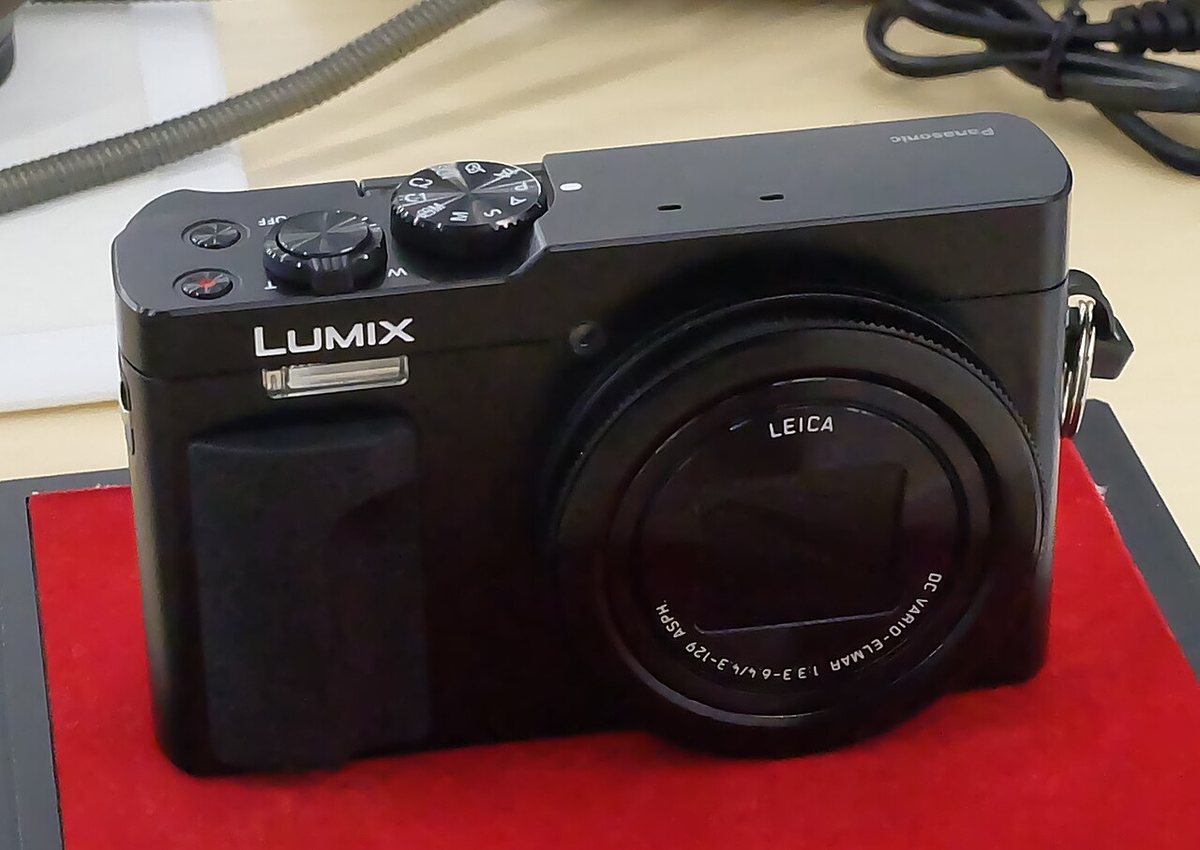
★ Your pick: Panasonic LUMIX ZS99
30x zoom for whales and cliff birds your phone can’t reach.
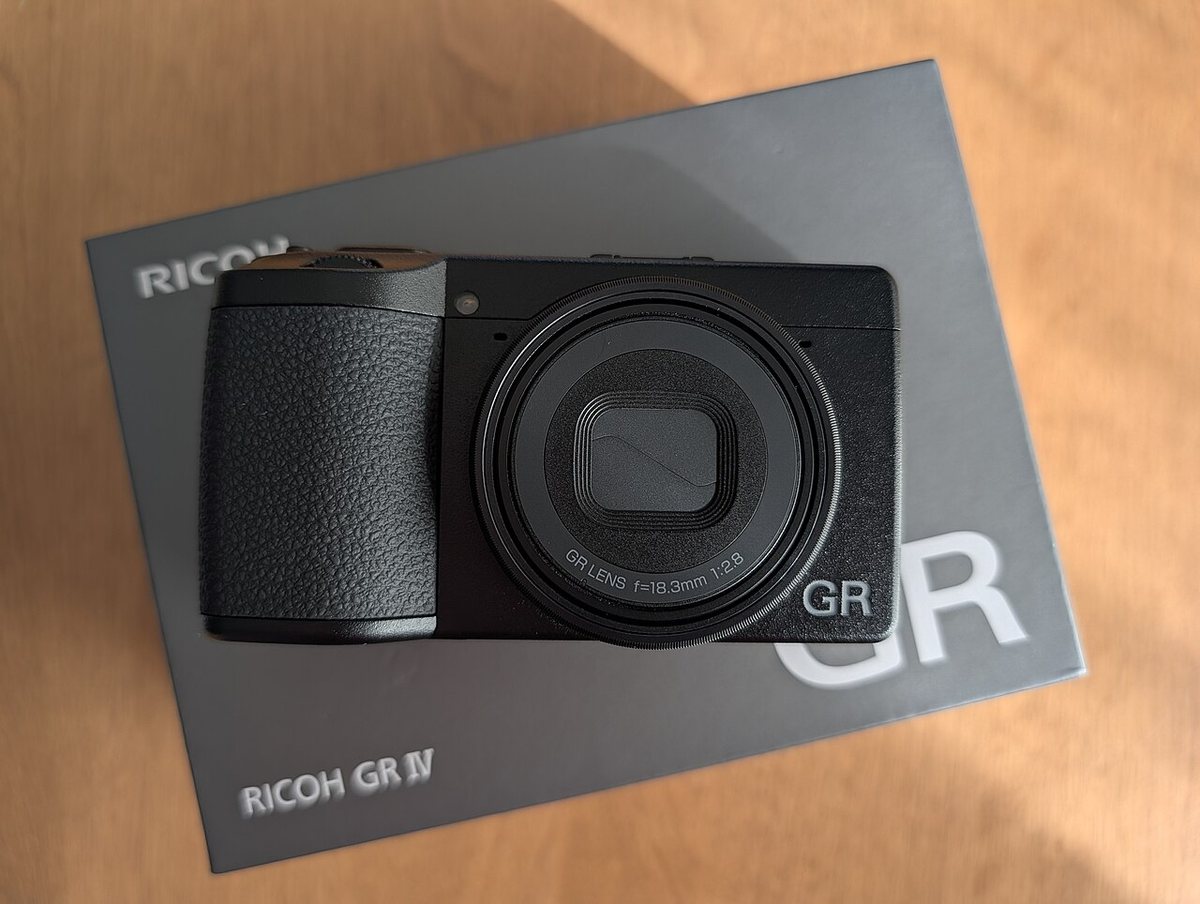
★ Your pick: Ricoh GR IV
A sensor about five times a flagship phone’s, in a 262 g body.
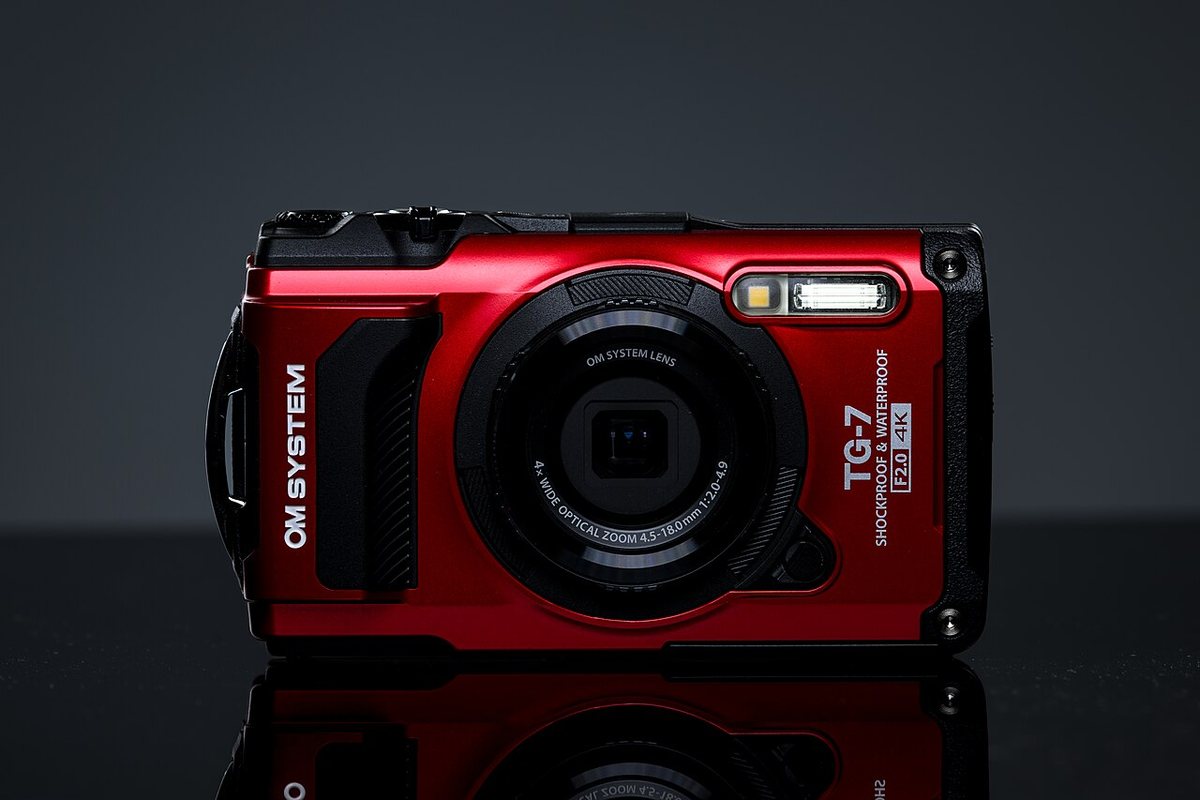
★ Your pick: OM System TG-7
Waterproof to 15 m and survives a 2.1 m drop, no case needed.
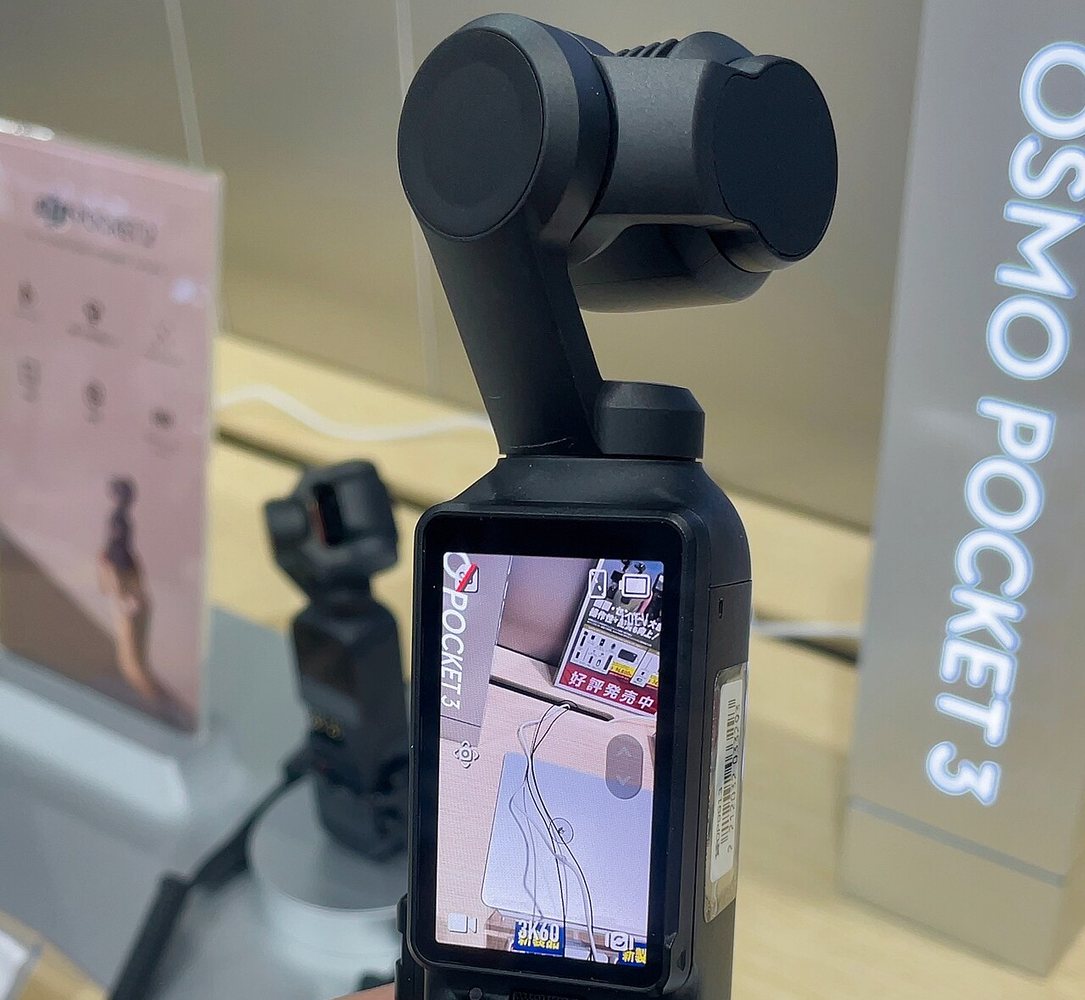
★ Your pick: DJI Osmo Pocket 3
A motorized gimbal keeps walking video smooth, at just 179 g.
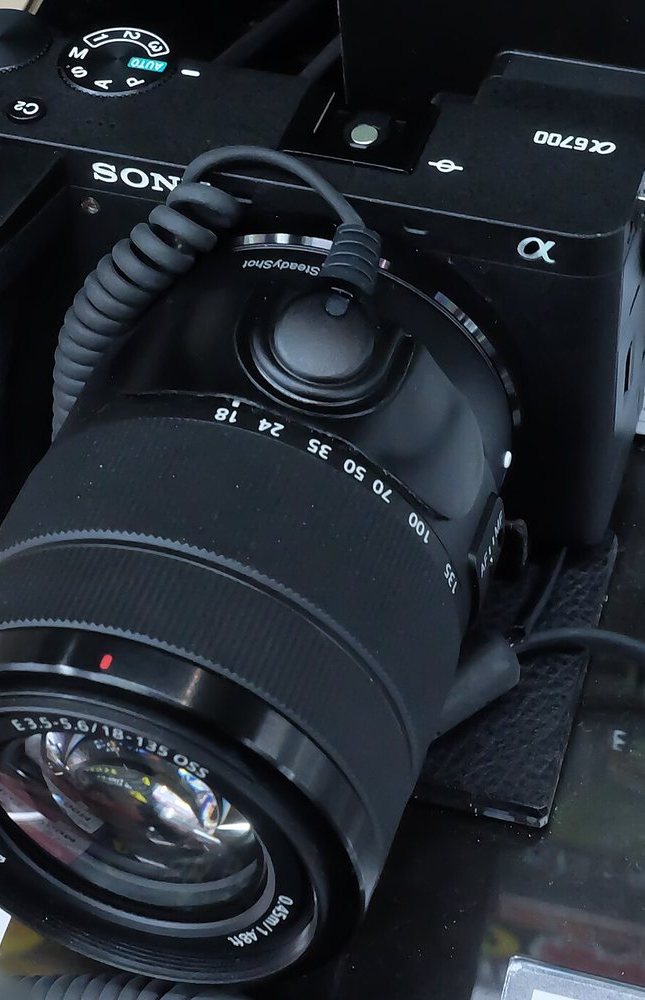
★ Your pick: Sony a6700 with the 18–135mm lens
A big sensor plus real zoom, with lenses you can swap later.
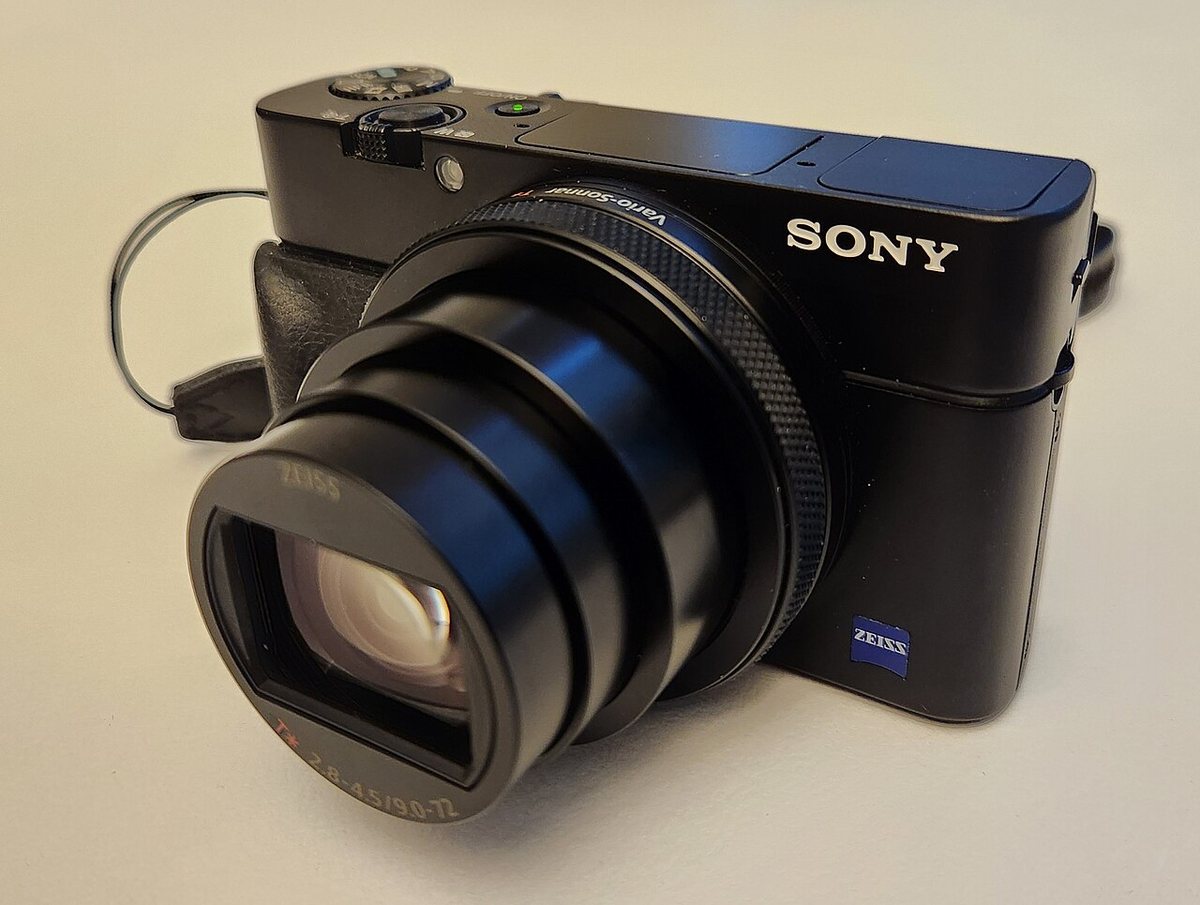
👑 Our Top Pick — Best Overall Value
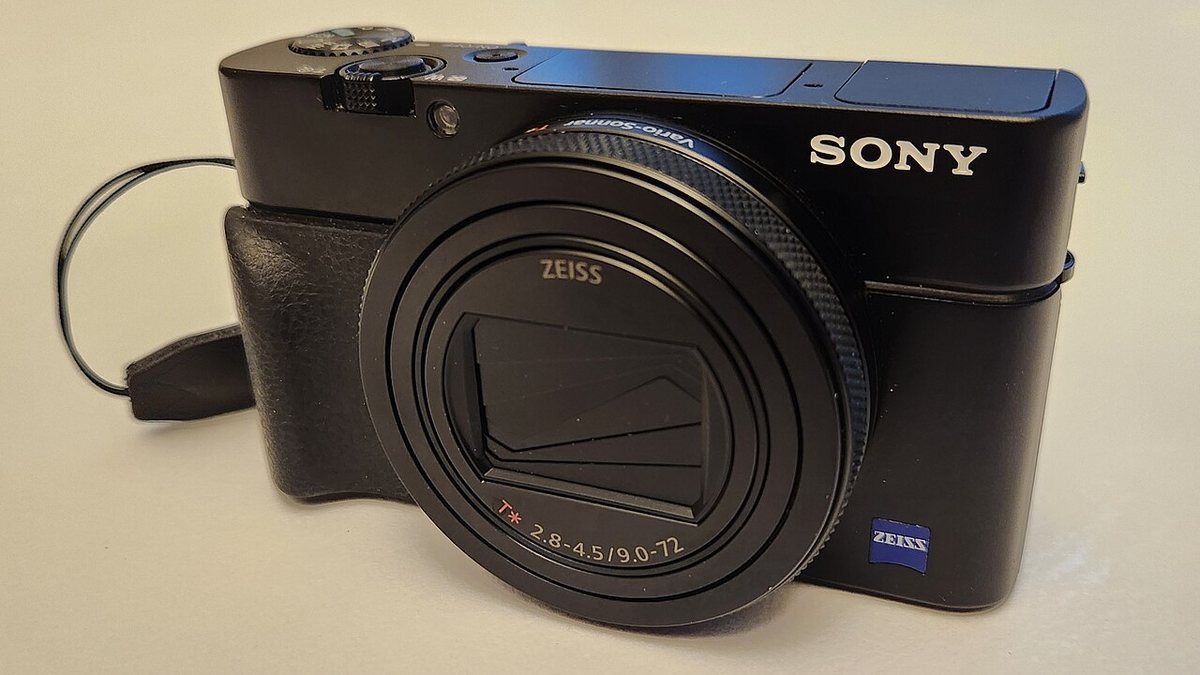
Sony RX100 VII
A 1-inch sensor and 8x zoom that slip into a coat pocket.
Opens on our Top Pick. Tap an option to see the best match for you.
When Your Phone Is Enough and When It Isn’t
For most trips, your phone is enough. Travel photographer Laurence Norah says a good smartphone is all most travelers need. WIRED’s Scott Gilbertson says top phones like the Pixel 10 Pro will be enough “for many people”. RTINGS goes further: cheaper new compacts usually aren’t worth buying over your phone. If your phone is several years old, look at newer budget phones before you buy a camera.
A camera earns its place in four cases:
- Far-off subjects. Optical zoom means the lens itself brings the subject closer, so you keep the detail. The Pixel 10 Pro’s longest true optical lens is 5x, and its bigger Pro Zoom numbers are not true optical zoom.
- Dim light with motion. Norah names low light, night, wildlife and fast action as the places a camera matters.
- Water and rough use. A tough camera can go snorkeling and survive a fall.
- Long days. A camera’s own battery saves your phone’s battery for maps and tickets.
In 2025, shipments of cameras with a built-in lens rose 29.6%, per camera makers in the Japanese industry group CIPA. After years of decline, more travelers are again buying a small camera for the jobs their phone can’t do.
Why a Bigger Sensor Helps in Dim Light
A bigger sensor catches more light, which matters most when the light is low and your subject won’t hold still.
- The Pixel 10 Pro main sensor is 1/1.3-inch, or about 73 mm² by our math.
- A 1-inch sensor is about 116 mm². That’s about 1.6 times the Pixel’s.
- An APS-C sensor is about 361 mm². That’s about five times the Pixel’s.
- The ZS99 and TG-7 sensors are about 28 mm² each, by our math. That’s smaller than the phone’s.
Real talk: the ZS99 and TG-7 won’t beat a flagship phone in the dark. Their sensors are close in size to the Pixel’s 5x telephoto sensor. Buy them for reach and toughness.
The Best Travel Cameras for Each Kind of Trip
Each pick fixes one thing your phone can’t.
1. Sony RX100 VII Is the Best Pocket Zoom for Most Trips
$1,300–$1,600 range1-inch sensor24–200mm zoomPop-up viewfinder302 g
The RX100 VII is the camera to buy if you want one camera for the whole trip, because it fixes your phone’s two biggest gaps at once: reach and light. RTINGS says it fits easily in a coat pocket or a small bag, but don’t count on a jeans pocket.
Its 1-inch sensor has about 1.6 times the area of the Pixel 10 Pro’s main sensor. The lens zooms from 24 mm to 200 mm equivalent, a film-era measure where a bigger number means a closer view. That’s an 8x optical zoom, enough to frame a far-off church tower. It also has a pop-up viewfinder, and WIRED’s Gilbertson says a viewfinder helps him frame better shots.
The ZS99 reaches much farther, but the RX100 VII’s sensor is far bigger, so it does better in dim restaurants. The GR IV beats it at night, but has no optical zoom. Skip it if you mostly shoot at night, or need a camera that can get wet.
Battery life is its weak spot, so carry a spare. Sony rates it at about 260 shots per charge. It also charges through an older micro-USB port, not USB-C.
Pros
- 1-inch sensor, about 1.6 times a Pixel 10 Pro’s main sensor
- 8x optical zoom covers most travel scenes
- Pop-up viewfinder helps in bright sun
- Charges and runs from USB power while you shoot
Cons
- About 260 shots per charge
- Micro-USB port means one extra cable
- 200 mm reach is far short of the ZS99’s 720 mm
2. Panasonic LUMIX ZS99 Is the Best Affordable Camera for Travel
About $650–$750 range30x optical zoom24–720mm lensUSB-C charging322 g
The ZS99 is the best affordable camera for travel if your trip is about things far away. Think whales off a boat or birds on a cliff. It’s also the travel zoom in our full digital camera guide.
Its LEICA lens zooms from 24 mm to 720 mm equivalent. That’s a 30x optical zoom, far past what your phone’s lenses can do. The sharp touchscreen tilts up for selfies. You also get 4K video, plus Wi-Fi and Bluetooth for sending photos to your phone. Its photos run about 20.3 megapixels, which is plenty for prints and phone screens.
Its sensor is 1/2.3-inch, which is smaller than a flagship phone’s main sensor. In a dark bar, your phone can match it or beat it. The lens also lets in less light as you zoom, down to F6.4 at the long end. It’s made for safaris and whale trips. After sunset, leave it in the bag and use your phone. If your budget stretches, the RX100 VII is the better all-rounder.
Panasonic rates the battery at about 380 shots per charge. It charges over USB-C, the same cable type many phones use.
Pros
- 30x optical zoom reaches 720 mm equivalent
- USB-C charging
- About 380 shots per charge
- Costs about half as much as the RX100 VII
Cons
- 1/2.3-inch sensor is smaller than a flagship phone’s main sensor
- Lens gets dimmer at full zoom
- At 322 g, the heaviest of the five pocket picks
3. Ricoh GR IV Is the Best Small Camera for Low Light
$1,400–$1,700 rangeAPS-C sensor28mm fixed lens53GB built-in storage262 g
The GR IV puts a big sensor in a tiny body. DPReview calls it “the only camera left that offers this level of image quality and portability”. That’s strong praise, but it comes with one big catch: there’s no optical zoom.
Its APS-C sensor has about five times the area of the Pixel 10 Pro’s main sensor. More light means cleaner photos in candlelit restaurants and blue-hour streets. Ricoh adds 5-axis sensor-shift stabilization, which means the sensor itself moves to cancel out shaky hands. It has about 53GB of built-in storage, too.
The lens is fixed at about 28 mm equivalent. That’s close to your phone’s main camera view, so the GR IV doesn’t fix reach at all. It fixes light. DPReview flags dated autofocus and battery life that’s “just okay”. It also points out that the camera has no weather-sealing claims. It’s the one to carry for street and food shots after dark. Want zoom? Then the RX100 VII is the better pick for a one-camera trip.
Ricoh rates it at about 250 shots per charge. It charges over USB-C with USB Power Delivery, a fast-charging standard.
Pros
- APS-C sensor, about five times a flagship phone’s main sensor
- Light, at 262 g with battery and card
- Sensor-shift stabilization steadies handheld night shots
- About 53GB of built-in storage, plus microSD
Cons
- No optical zoom, just a fixed 28 mm view
- About 250 shots per charge
- Dated autofocus, per DPReview
4. OM System TG-7 Is the Best Camera for Water and Rough Trips
Waterproof to 15 mDrop-proof to 2.1 m4x optical zoomUSB-C charging249 g
The TG-7 is the camera you don’t have to baby. Take it snorkeling, or let your kids drop it on a rocky trail. It’s built for both with no extra case.
OM System rates it waterproof to 15 m, which is about 49 feet. It’s shockproof from a 2.1 m drop, about 7 feet. It keeps working down to -10°C, which is 14°F. It’s dustproof too. The lens zooms 4x, from 25 mm to 100 mm equivalent. Its photos are 12 megapixels, which is plenty for screens and most prints.
The trade-off is image quality, because its 1/2.33-inch sensor is smaller than a flagship phone’s main sensor. On dry land in good light, your phone may match it. In the surf or the rain, the TG-7 wins, because your phone stays safe in your bag. Pack it for beach trips and ski days. For long zoom, the ZS99 reaches much farther. For night shots, neither of them beats a flagship phone.
It charges over USB-C, right in the camera. OM System’s US spec page gives no shot count, so pack a spare LI-92B battery for long days.
Pros
- Waterproof to 15 m with no housing
- Survives a 2.1 m drop
- Crushproof up to 100 kg
- USB-C charging inside the camera
Cons
- 1/2.33-inch sensor is smaller than a flagship phone’s main sensor
- Short 4x zoom
- Shot count not on OM System’s US spec page
5. DJI Osmo Pocket 3 Is the Best Travel Video Camera
$400–$600 range1-inch sensor3-axis gimbal4K at 60fps179 g
If you care more about video than photos, the Osmo Pocket 3 is the pick. It’s a tiny camera on a motorized handle called a 3-axis gimbal, which keeps the camera level while you walk. DPReview says it gives smoother motion than a regular camera or a phone.
Inside is a 1-inch sensor, the same size as the RX100 VII’s. Video goes up to 4K at 60 frames per second. For slow motion, it can shoot 4K at 120 fps. A vertical 3K mode makes clips that fit phone screens.
It weighs 179 g, the lightest pick here. The lens has a fixed 20 mm equivalent view, so there’s no optical zoom. It’s a video tool first, made for walking tours and food videos. For far-off wildlife, it’s the wrong tool. DPReview notes the Pocket 3 is the newest Pocket model sold in the US.
DJI rates the battery at 166 minutes of 1080p (Full HD) video in its own tests. There’s no built-in storage, so you’ll need a microSD card. It takes microSD cards up to 1 TB, which leaves plenty of room for clips.
Pros
- 3-axis gimbal for smooth walking video
- 1-inch sensor, the same size as the RX100 VII’s
- 179 g, the lightest pick here
- 4K at 120 fps for slow motion
Cons
- No optical zoom, just a fixed 20 mm view
- No built-in storage
- Fast charging needs DJI’s 65W charger, sold separately
6. Sony a6700 With the 18–135mm Lens Is the Step-Up for a Big Trip
Body in the $1,300–$1,600 rangeAPS-C sensor18–135mm travel lens570-shot batteryAbout 818 g with lens
The a6700 won’t fit a pocket. It’s a small camera with swappable lenses, and it’s the pick for a once-in-a-lifetime trip, like a safari or the northern lights.
Its APS-C sensor is the same size as the GR IV’s. Its autofocus uses 759 phase-detection points, which helps it focus on moving subjects. For video, it records 4K at 60 frames per second.
DPReview suggests skipping the basic 16–50mm kit lens. Our suggestion for travel is Sony’s E 18–135mm F3.5–5.6 OSS. It covers 27 to 202.5 mm equivalent and has optical stabilization built in. Sony also sells it as an a6700 kit lens. Against the GR IV, you get zoom, and against the RX100 VII, you get a much bigger sensor. You pay for both in size and weight. It makes sense if photos are a main reason for the trip. It’s the wrong camera if you want one you forget you’re carrying.
The body weighs about 493 g with battery and card. The lens adds 325 g. Together, that’s about 818 g, or 1.8 pounds, by our math. It gets about 570 shots per charge, the most of any pick with a listed shot count.
Pros
- APS-C sensor, about five times a flagship phone’s main sensor
- 759-point autofocus for moving subjects
- About 570 shots per charge
- USB-C charging with Power Delivery
Cons
- About 818 g with the 18–135mm lens
- Won’t fit in any pocket
- 4K slow motion (120 fps) cuts in tighter, about 1.58x, per DPReview
How the Six Travel Cameras Compare Side by Side
Battery life figures use CIPA, the industry test, unless noted. Treat them as a guide, not a promise.
| Camera | Sensor | Optical zoom | Weight | Charging port | Battery life | Water rating |
|---|---|---|---|---|---|---|
| Sony RX100 VII | 1-inch | 8x (24–200mm) | 302 g | Micro-USB | About 260 shots | None listed |
| Panasonic LUMIX ZS99 | 1/2.3-inch | 30x (24–720mm) | 322 g | USB-C | About 380 shots | None listed |
| Ricoh GR IV | APS-C | None (28mm) | 262 g | USB-C | About 250 shots | None claimed |
| OM System TG-7 | 1/2.33-inch | 4x (25–100mm) | 249 g | USB-C | Not on US spec page | Waterproof 15 m |
| DJI Osmo Pocket 3 | 1-inch | None (20mm) | 179 g | USB-C | 166 min video (DJI test) | None listed |
| Sony a6700 + 18–135mm | APS-C | 7.5x (27–202.5mm) | About 818 g | USB-C | About 570 shots | None listed |
Worth knowing: “None listed” means the maker specs we cite give no water rating, so keep those cameras away from the surf.
How to Fly With Camera Batteries and Keep Them Charged
These US rules come from the TSA and FAA pages, checked in October 2026. Spare camera batteries go in your carry-on only, never in checked bags, and both agencies name cameras directly (TSA, FAA). Each lithium-ion battery can hold up to 100 watt-hours (Wh), a measure of stored energy. The Osmo Pocket 3 battery is 10.01 Wh, about a tenth of the limit.
Watch out: if your carry-on gets checked at the gate, take the spare batteries out and keep them with you in the cabin.
Protect the metal ends of every spare with tape, the original pack or a small pouch. Airlines can set stricter rules, so check with yours. For power banks, see our guide to battery rules on planes.
Five of the six picks charge over USB-C, so one cable can charge your phone and your camera (see the ZS99, GR IV, TG-7, a6700 and Pocket 3 specs). The RX100 VII is the odd one out with micro-USB.
Packing tip: a small travel power bank can top up a USB-C camera on a long bus ride. And back up your photos each night in case a memory card goes missing.
The Bottom Line on Picking the Best Travel Camera
Your phone is a great camera most of the time. The best travel camera is the one that fixes what your phone can’t. For most people, that’s the Sony RX100 VII. Pick the ZS99 for reach on a budget, the GR IV for night, the TG-7 for water and the Pocket 3 for video. Save the a6700 for the trip that matters most.
Before you leave, charge every battery and pack the spares in your carry-on. Then let your phone handle maps and tickets, and let the camera do the one job you bought it for.
Frequently Asked Questions About Travel Cameras
Is it worth buying a camera for a trip?
Yes, if your trip has far-off subjects, dim light with motion, water or long days. If not, your phone is likely enough.
Is a camera better than an iPhone for travel?
Not always. WIRED says top phones, including the iPhone 17 Pro, are enough for many people. A camera wins on long zoom, water and dim scenes with motion.
How many megapixels do I need for travel photos?
A 12MP photo is 4,000 by 3,000 pixels. That’s enough for a print about 13 by 10 inches. A 4K TV shows only about 8.3 megapixels. So 12 megapixels is plenty for screens and most prints.
What is the best small camera to take on a trip?
For most people, it’s the Sony RX100 VII, which fits a coat pocket and adds an 8x optical zoom. The DJI Osmo Pocket 3 is lighter but built for video.
What camera do travel vloggers use?
A gimbal camera is a smart start, and our pick is the DJI Osmo Pocket 3. DPReview says it gives smoother motion than a regular camera or a phone.
What is the best affordable camera for travel?
Our pick is the Panasonic LUMIX ZS99, in the $650–$750 range. Its 30x optical zoom makes it a reach camera, not a night camera.