The best digital camera in 2026 is not the famous one. It is the one that passes two simple tests. First, its sensor is big enough to clearly beat your phone. Second, you can buy it at the price the maker set. The two cameras everyone asks about, the Canon G7 X Mark III and the Fujifilm X100VI, fail that second test right now. Our top pick, the Canon PowerShot V1, passes both. It has a bigger sensor than the G7 X, a real zoom, and it sells close to its normal price.
Affiliate disclosure: TechDaily may earn a commission from qualifying purchases through links in this guide. It never changes your price, and it never picks our winners.
- Use two tests before you buy any camera. Is the sensor big enough to beat your phone? Can you get it at the maker’s own price?
- The Canon PowerShot V1 is our top pick. Its sensor is about twice the size of the G7 X’s, and it adds a real zoom and 4K video.
- Resellers are asking far more than list for the G7 X Mark III and the X100VI. History says those shortages can last a year or more.
- Want the 2000s “digicam” look? A cheap Kodak gives you that look. Want cleaner photos than your phone? Then sensor size matters most.
- Learning photography? Get a camera that takes different lenses, like the Canon EOS R50 V, so it can grow with you.
What do you want most from your camera?
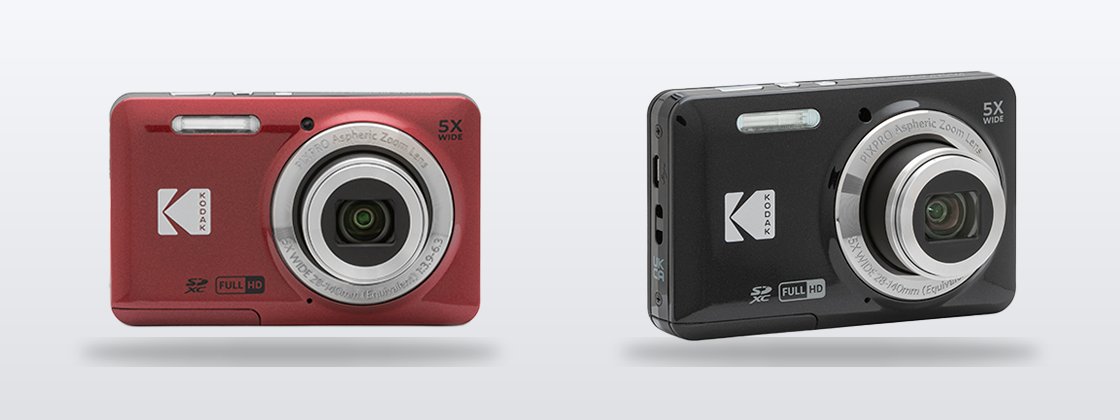
★ Your pick: Kodak PIXPRO FZ55
Flash, 5x zoom and that 2000s look for under $150
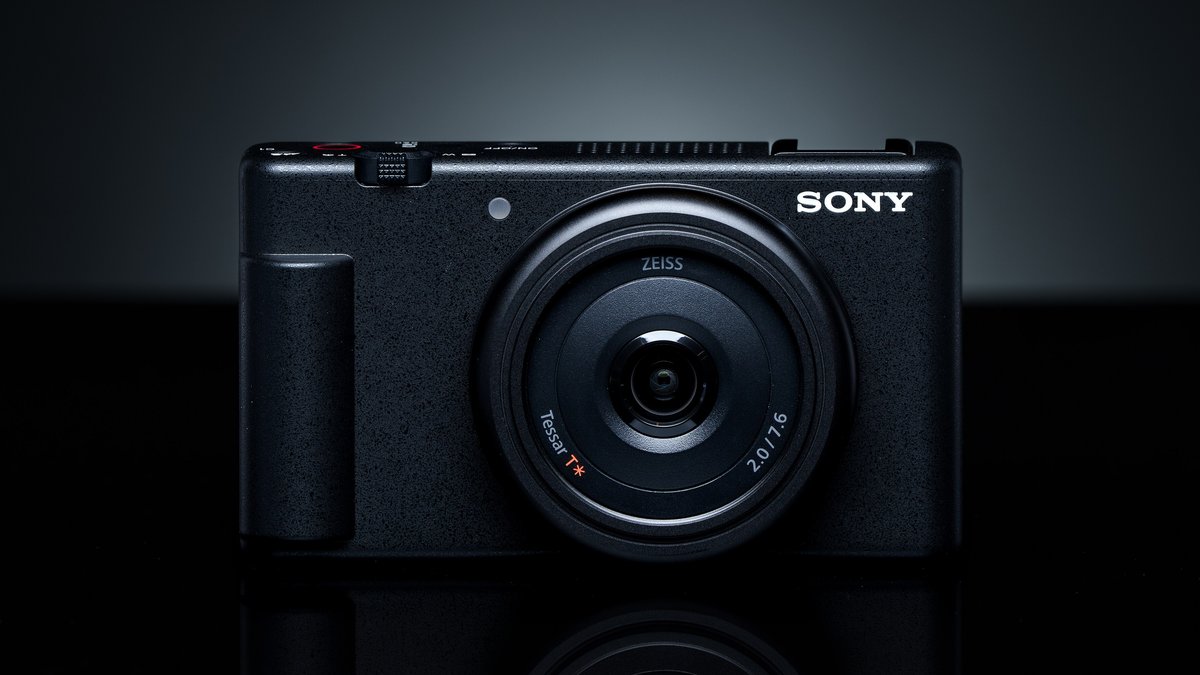
★ Your pick: Sony ZV-1F
A 1-inch sensor and a wide lens built for selfies and video
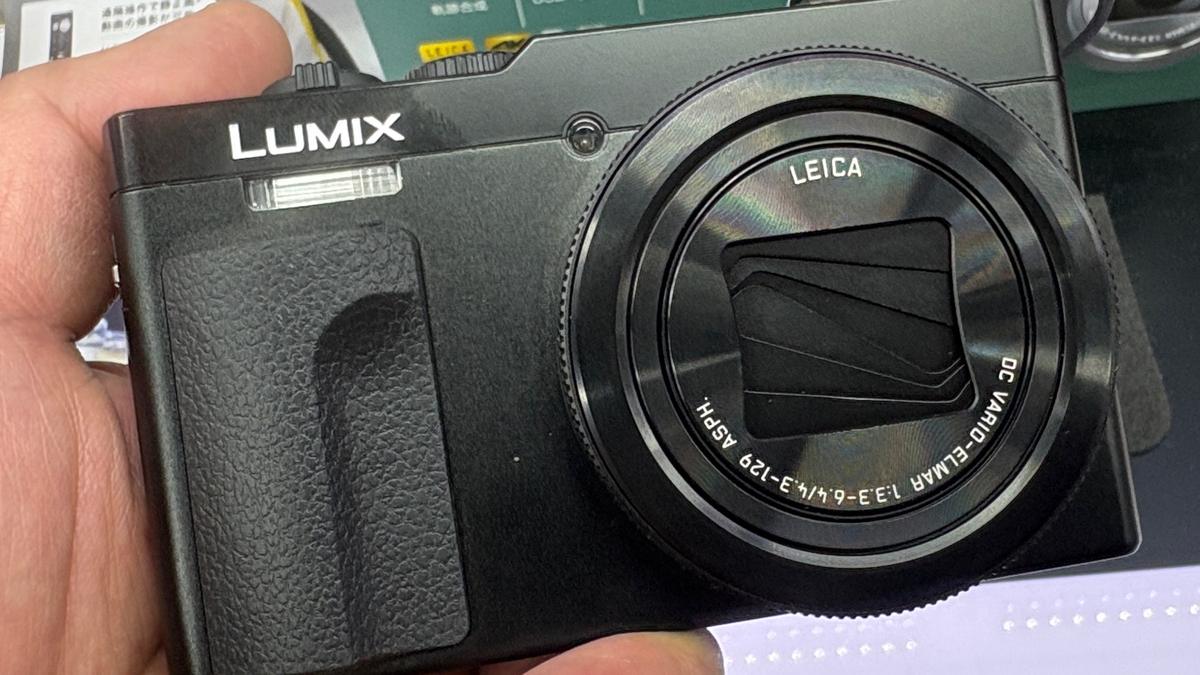
★ Your pick: Panasonic LUMIX ZS99
A 30x zoom reaches the things your phone cannot
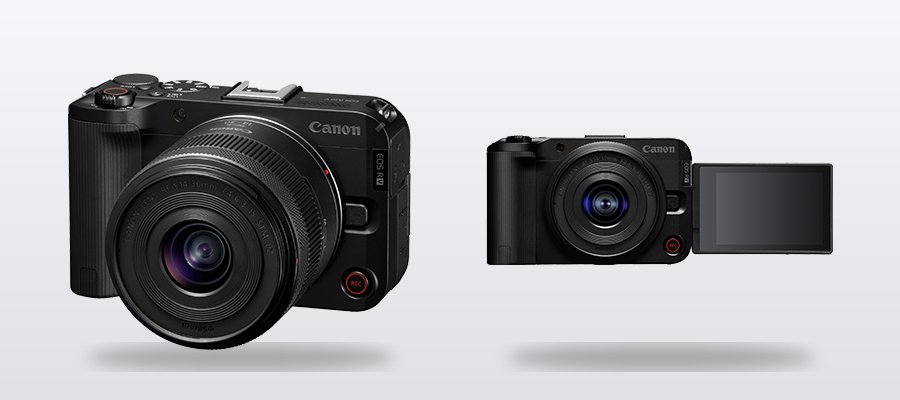
★ Your pick: Canon EOS R50 V
Swap lenses and grow into manual control over time
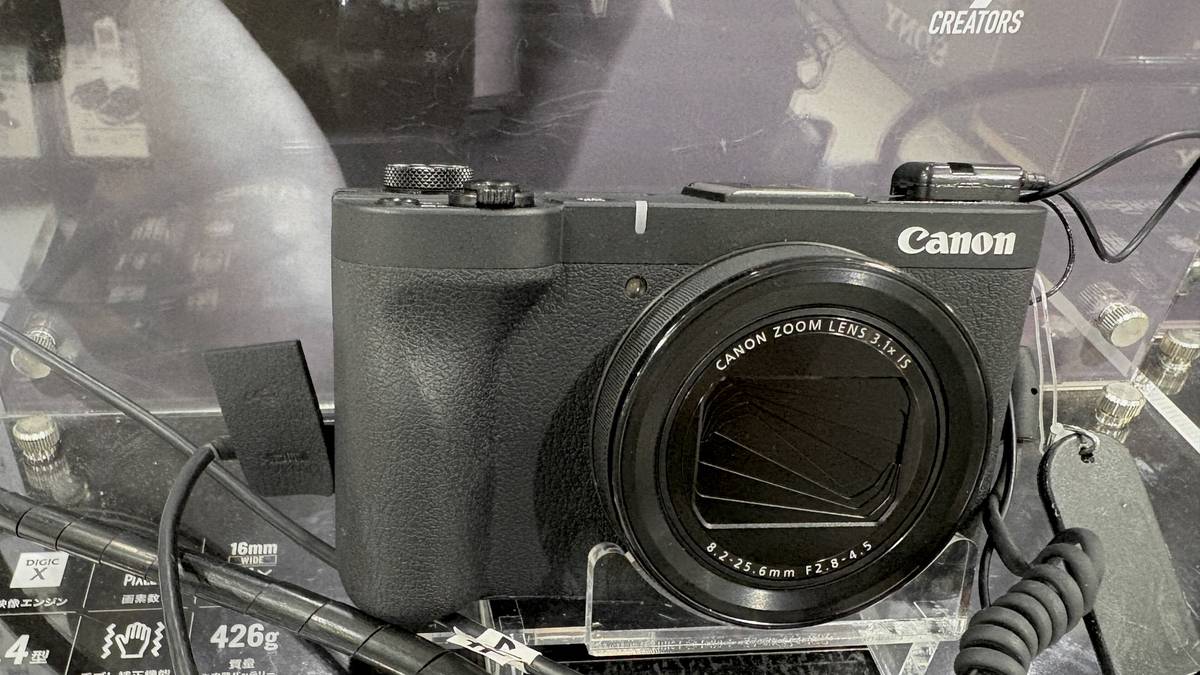
👑 Our Top Pick — Best Overall Value
Canon PowerShot V1
Biggest sensor of our pocket picks, a real zoom, and great 4K video
Opens on our Top Pick. Tap an option to see the best match for you.
Why the Famous Cameras Cost Double Right Now
If you have tried to buy a G7 X lately, you know the feeling. The price looks wrong. It is not a glitch. It is a factory problem.
The Camera Market Shrank, and the Factories Shrank With It
Back in 2010, camera makers shipped 121.5 million cameras, and 108.6 million of them were compact cameras with a built-in lens, Imaging Resource reported from CIPA data. Then phones ate that market. In 2025, the makers in CIPA, the Japanese camera trade group, shipped 2,436,911 compact cameras, according to CIPA’s own year-end report. That is about 2 compacts today for every 100 sold in 2010.
Here is the twist. That 2025 number was up 29.6% from the year before. Compacts are coming back. But the makers built their lines for a tiny market. When one camera goes viral on TikTok, demand jumps far faster than a small factory line can follow. Stores run dry. Third-party sellers fill the gap at higher prices.
Worth knowing: CIPA’s count leaves out Kodak and Leica, and it skips used sales. Joshua Waller at Amateur Photographer points out that the real comeback is likely bigger than the 29.6% figure.
This Has Happened Three Times in Four Years
We have seen this movie before. The Fujifilm X100V went viral on TikTok in 2022. Fujifilm paused new orders. It stayed hard to buy through most of 2023, and used copies sold above their original price, as Amateur Photographer covered. Its follow-up, the X100VI, launched in 2024 into the same rush. NBC Select’s tester said his pre-order took five months to arrive.
Now it is the Canon G7 X Mark III’s turn. Kim Bunermann at Digital Camera World reported in August 2026 that this 2019 camera had become Japan’s top-selling compact. Used copies were often selling for more than it cost new. In all three cases, the shortage lasted a year or more. It ended with a new model or fading hype, not a quick restock.
What the Two Famous Cameras Really Cost Today
The Canon PowerShot G7 X Mark III has a list price under $900. When we checked on October 7, 2026, third-party sellers were asking roughly $1,300 to $1,800. It is a fine camera, with a 1-inch sensor and a bright 24–100mm zoom, per Canon’s spec page. But it is seven years old. Our top pick has a bigger sensor and sells close to its list price.
The Fujifilm X100VI is a different story. It is a superb camera, with a large APS-C sensor and a sharp fixed lens. Its list price sits in the high $1,000s, and sellers were asking over $2,000 the same day. Buy it only at list from an authorized dealer. Anything above that is a wait tax, not a better camera.
Before you buy: check the maker’s own online store first. Canon, Sony, Panasonic and Fujifilm all sell direct, and their price is the real list price. List prices have gone up more than once since 2025 because of US tariffs, as Engadget reported. So check it on the day you buy, not from memory.
The Two Tests Every Good Camera Should Pass
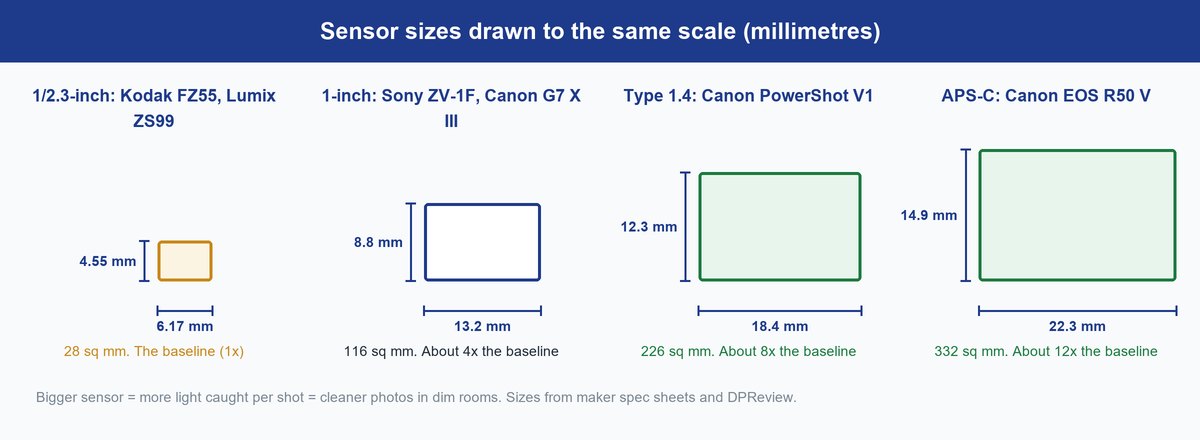
Forget megapixels for a minute. Two questions sort almost every camera on the shelf.
Test One Is a Sensor Big Enough to Beat Your Phone
The sensor is the chip that catches light. Think of it as a bucket in the rain. A bigger bucket catches more drops, so dim photos stay clean instead of grainy. Phones fight this with clever software. A bigger sensor wins with physics.
The jump is bigger than the names suggest. A 1-inch sensor has about four times the area of the small 1/2.3-inch sensor in budget cameras. The PowerShot V1’s sensor is about eight times that area. The APS-C sensor in the Canon EOS R50 V is about twelve times. You can check the small sensor size on Kodak’s FZ55 spec sheet and the V1’s on DPReview’s hands-on.
Do the math: a 1/2.3-inch sensor covers about 28 square millimetres. A 1-inch sensor covers about 116. That is roughly four times the light-catching area, which is the gap you see in a dim restaurant.
Test Two Is a Price Close to What the Maker Set
A great camera at double its price is a bad deal. Every pick below was selling close to its normal price when we checked. That is the whole point of this list. You get the “real camera” result without paying for the hype.
The Best Digital Cameras You Can Buy at a Fair Price
These five cover nearly every budget, from a first camera for a kid to a camera you can grow with for years.
1. Canon PowerShot V1 Is the Best Digital Camera for Most People
$800–$9001.4-Inch Sensor3x Optical Zoom4K VideoFlip-Out Screen
The PowerShot V1 is the camera G7 X shoppers should be looking at. It is a pocket camera from Canon with a fixed zoom lens. It came out in 2025, so it is six years newer than the G7 X. And it fixes the G7 X’s biggest weakness, which is sensor size.
The V1 uses a 22-megapixel sensor that Canon calls Type 1.4. That is about twice the area of the G7 X’s 1-inch sensor. In plain terms, your indoor and night shots come out cleaner. The lens covers a wide 16mm view to a 50mm view, measured the way full-size cameras are. That wide end is great for group shots and small rooms. The lens also has optical image stabilization, which steadies shaky hands.
Video is where the V1 pulls ahead. It records 4K at 30 frames per second, made from an even sharper 5.7K image. It has a built-in cooling fan, so it can keep filming for a long time. A built-in ND filter, which is like sunglasses for the lens, lets you film in bright sun without a washed-out shot. The screen flips out to face you.
Who should skip it? If you want an eye-level viewfinder, the V1 has none. It also has no built-in flash, so it will not give you the harsh flash “digicam” look. For that, the Kodak FZ55 is the cheap answer. For everyone else who wants better-than-phone photos and video in one small camera, this is the pick.
Key features:
- 22MP Type 1.4 sensor, about 18.4 x 12.3mm
- 16–50mm (full-frame equivalent) zoom with optical stabilization
- 4K 30p video from a 5.7K image, with a cooling fan
- Built-in 3-stop ND filter for bright light
- Fully flip-out touchscreen for selfies and vlogs
Pros
- Biggest sensor of any pocket camera in this guide
- Wide 16mm view fits whole groups and small rooms
- Cooling fan keeps long 4K clips going
- Built-in ND filter makes sunny video look natural
- Flip-out screen makes self-filming easy
Cons
- No viewfinder, so you frame every shot on the screen
- No built-in flash for the classic digicam look
- Zoom stops at 50mm, short for sports or wildlife
2. Sony ZV-1F Is the Best Pick for Selfies and Vlogs
$500–$6001-Inch SensorFixed 20mm f/2 Lens4K VideoSwivel Screen
The ZV-1F is Sony’s simple camera for people who film themselves. It came out in late 2022. It costs less than the V1 and keeps a big piece of what makes a real camera worth it, which is a 1-inch sensor.
That 20-megapixel sensor is the same size as the one in the G7 X. It has about four times the area of the small sensors in budget cameras. The lens is a fixed 20mm view with a bright f/2 opening. Wide means you can hold the camera at arm’s length and still fit your face and the scene behind you. A bright lens lets in more light, so indoor clips stay clean. The screen swivels out to face you, and it shoots 4K video at 30 frames per second.
Now the big trade-off. The ZV-1F has no optical zoom at all. What you see at 20mm is what you get. Next to the V1, you give up the zoom, the bigger sensor and the built-in ND filter. You also save a good chunk of money.
So who is it for? Vloggers, travel selfie shooters and anyone filming big family groups. If you need to zoom in on your kid at a soccer game, skip it and look at the ZS99. If you want to grow into lenses, the R50 V is the better long-term buy.
Key features:
- 20MP 1-inch sensor
- Fixed 20mm f/2 wide lens
- 4K 30p video
- Swivel touchscreen that faces you
- Light, simple body built for one-hand filming
Pros
- 1-inch sensor clearly beats phone photos in dim light
- Bright f/2 lens helps indoor shots
- Wide view fits you and the background at arm’s length
- Easy to use with almost no learning curve
Cons
- No optical zoom of any kind
- No viewfinder
- Smaller sensor than the PowerShot V1
3. Kodak PIXPRO FZ55 Is the Best Cheap Camera for the Digicam Look
Under $15016MP5x Optical Zoom1080p VideoBuilt-In Flash
The FZ55 is the camera you buy for fun, not for perfect photos. It is a tiny, cheap point-and-shoot that looks and feels like the cameras from the 2000s. That is exactly why people want it.
It has a 16-megapixel sensor in the small 1/2.3-inch size. The lens zooms 5x, from a 28mm wide view to 140mm. It records video in 1080p, which is regular HD. You frame shots on a 2.7-inch screen on the back. It runs on a rechargeable battery that you can charge over USB right in the camera, so there is no separate charger to lose. And it has a built-in flash.
Here is the honest part. That small sensor will not beat a recent phone in low light. Photos in a dim room will look soft and grainy. But that is the look many people are chasing. A direct flash, bright highlights and a bit of grain read as nostalgic. If the look is your goal, this camera nails it at a fraction of the price of a G7 X.
It also makes a great first camera for a kid or teen. It is simple, light and cheap enough that a drop is not a disaster. Compared with the ZS99, you give up a big zoom and 4K video. Compared with the ZV-1F, you give up clean low-light shots. You keep the fun.
Key features:
- 16MP 1/2.3-inch sensor
- 5x optical zoom, 28–140mm equivalent
- Built-in flash for the classic digicam look
- 1080p HD video
- In-camera USB charging
Pros
- Lowest price in this guide by a wide margin
- Flash and zoom give the nostalgic 2000s look
- Small and light enough for any pocket or bag
- Simple enough for kids and first-time users
Cons
- Low-light photos look soft and grainy
- 1080p video only, no 4K
- Will not beat a recent flagship phone for clean photos
4. Panasonic LUMIX ZS99 Is the Best Travel Zoom Camera
$550–$70030x Optical Zoom1/2.3-Inch Sensor4K VideoTilting Touchscreen
The ZS99 is the camera for the moment your phone gives up. You are on a safari, in the cheap seats at a stadium, or on a boat looking at a lighthouse. Your phone’s zoom turns to mush. The ZS99 just keeps going.
Its lens zooms 30x, from a wide 24mm to a long 720mm. That is the headline feature, and nothing else in this guide comes close. To keep that long zoom steady, it uses Panasonic’s 5-axis Hybrid O.I.S., a mix of lens and digital shake control. The sensor is 20.3 megapixels in the small 1/2.3-inch size. It shoots 4K video and up to 10 photos per second for moving subjects. The touchscreen tilts, and Wi-Fi and Bluetooth send photos to your phone.
The trade-off is the same small sensor size as the Kodak. In bright daylight, photos look great. In a dark restaurant, a phone with good night mode can keep up or win. So think about where you shoot. If you shoot outside in daylight, the ZS99 is a huge upgrade. If you shoot mostly indoors at night, the V1 or ZV-1F is the better buy.
It is also a strong family trip camera. Pair it with a travel power bank and you can top it up between stops.
Key features:
- 30x optical zoom, 24–720mm equivalent
- 20.3MP 1/2.3-inch sensor
- 5-axis Hybrid O.I.S. for steady zoomed shots
- 4K video and up to 10 frames per second
- Tilting touchscreen plus Wi-Fi and Bluetooth
Pros
- Reaches far subjects no phone can match
- Steady zoomed shots thanks to 5-axis stabilization
- 4K video and fast burst shooting
- Pocket-size body for a 30x zoom
Cons
- Small sensor struggles in low light
- Slow lens at full zoom needs good light
- Overkill if you rarely zoom
5. Canon EOS R50 V Is the Best Camera for Beginners Who Want to Learn
$700–$800APS-C SensorInterchangeable Lenses4K 60p VideoSwivel Screen
The R50 V is the only camera here that takes different lenses. That is why it is our pick if you want to learn real photography. Canon launched it in March 2025 as a small camera for creators.
It has the biggest sensor in this guide. The 24-megapixel APS-C sensor measures about 22.3 by 14.9mm. That is about twelve times the area of the Kodak’s sensor and about 1.5 times the V1’s. Bigger sensor means cleaner photos in dim light and a softer, blurrier background behind your subject. It shoots 4K video at up to 60 frames per second, which makes smooth slow motion. The 3-inch screen swivels to face you. Our pick is the kit with the RF-S 14–30mm power zoom lens, which gives you a wide view for vlogs and rooms.
The real reason to buy it is growth. Start with the kit lens. Later, add a zoom lens for sports or a bright portrait lens. Next to the V1, the R50 V is bigger and will not fit in a jeans pocket. It also has no viewfinder. But the V1 will always be the V1, while the R50 V can change with you.
Skip it if you just want a simple pocket camera. Buy it if you want to learn how settings like shutter speed and aperture shape a photo, and you want a camera that can keep up as you improve.
Key features:
- 24MP APS-C sensor, about 22.3 x 14.9mm
- Takes Canon RF interchangeable lenses
- 4K video at up to 60 frames per second
- Swivel touchscreen
- Kit includes the RF-S 14–30mm power zoom lens
Pros
- Biggest sensor and cleanest low-light photos in this guide
- Swap lenses as your skills grow
- 4K 60p video for smooth slow motion
- Real background blur for portraits
Cons
- Too big for a pocket once a lens is on
- No viewfinder
- Extra lenses add real cost over time
Want the Digicam Look for Less Money
“Digicam” is the word for those cheap 2000s point-and-shoots, and searches for it hit a ten-year high in 2026, Digital Camera World reported. Here is the part most shoppers miss. The look comes from a small sensor and a direct flash. Quality comes from a big sensor. Those are two different purchases, and mixing them up is how people overpay.
The Kodak FZ55 and the Kodak C1 Are the Cheapest Way In
If you only want the look, the FZ55 above is our pick, since it adds a 5x zoom and a flash. If you want to spend even less, the Kodak PIXPRO C1 sits around the $100 mark. It has a 13-megapixel sensor, a fixed wide lens and a screen that flips 180 degrees for selfies. Tom’s Guide’s review notes its built-in battery is rated for about 200 shots and it has no stabilization. It is a fun party camera, not a travel camera.
Old Used Cameras Carry Hidden Risks
Old 2000s point-and-shoots now resell for more than they used to, Mental Floss reported. The catch is age. Batteries that are 15 to 20 years old can be weak or swollen, and replacements are hard to find. Dust can get inside the lens. A new budget Kodak with a warranty is often the safer way to get the same look.
Is a Digital Camera Still Worth Buying in 2026
Phones are very good now, so this is a fair question. Here is the honest answer.
When a Camera Is Clearly Worth It
A camera is worth it if you want real zoom, like the ZS99’s 30x. It is worth it if you shoot in dim rooms and want cleaner photos, which is where the V1 and the R50 V shine. It is worth it if you want a device that keeps your phone free, or a first camera for a kid. Many people also just like having a camera that is only a camera. No texts, no alerts, no scrolling.
When Your Phone Is Enough
If you only post to social media and you already own a recent flagship phone, a small-sensor camera will not improve your photos. You would be paying for the look, not the quality. That is fine if you know it going in. If you want to compare video options first, our guide to 4K vs 1080p explains when the sharper format actually matters.
Real talk: a camera you leave at home takes zero photos. If you will not carry something bigger than a phone, buy the small V1 or ZV-1F, not the R50 V.
Once you have photos you love, a digital picture frame gets them off your memory card and onto the wall. And if you want photos of wildlife when you are not there at all, that is a job for a trail camera.
Buy the Camera That Passes Both Tests
The cameras with the most hype are not the best buys this fall. The best digital camera for you has a sensor that clearly beats your phone and a price close to what the maker set. For most people, that is the Canon PowerShot V1. Want the fun digicam look for little money? Get the Kodak FZ55. Need zoom? Get the ZS99. Want to learn? Get the R50 V. Whatever you pick, take one minute to check the maker’s own store price before you pay.
Frequently Asked Questions
Which is the best digital camera to buy?
For most people, the Canon PowerShot V1. It has a bigger sensor than the famous G7 X Mark III, a 16–50mm zoom, great 4K video and a flip-out screen. It also sells close to its normal price. If you want lenses you can swap, the Canon EOS R50 V is the better choice.
Why are Gen Z using digital cameras?
It is mostly about the look and the feeling. Small-sensor cameras with a direct flash give photos a grainy, bright 2000s style that reads as nostalgic. A dedicated camera also keeps you off your phone. If the look is what you want, a cheap Kodak like the FZ55 gives it to you without paying a reseller premium.
What brand is best for digital cameras?
There is no single best brand. Canon makes our top pick and our beginner pick. Sony makes the best vlogging pick, Panasonic makes the best travel zoom, and Kodak leads in cheap digicam-style cameras. Pick the camera that fits your use first, then the brand.
Is it still worth buying a digital camera?
Yes, if you want real optical zoom, cleaner photos in dim light, or a camera that is not your phone. No, if you only post to social media and already have a recent flagship phone. In that case a small-sensor camera gives you a look, not better quality.
What is the best digital camera for kids?
The Kodak PIXPRO FZ55 is a great first camera for kids and teens. It is light, simple, cheap enough that a drop is not a disaster, and it has a 5x zoom and a flash. It charges over USB, so there is no extra charger to lose.
What is the best camera for beginners who want to learn photography?
The Canon EOS R50 V. Its large APS-C sensor and swappable lenses let you learn how aperture and shutter speed change a photo. Start with the 14–30mm kit lens, then add lenses as your skills grow. If you just want great point-and-shoot photos, the PowerShot V1 is simpler.