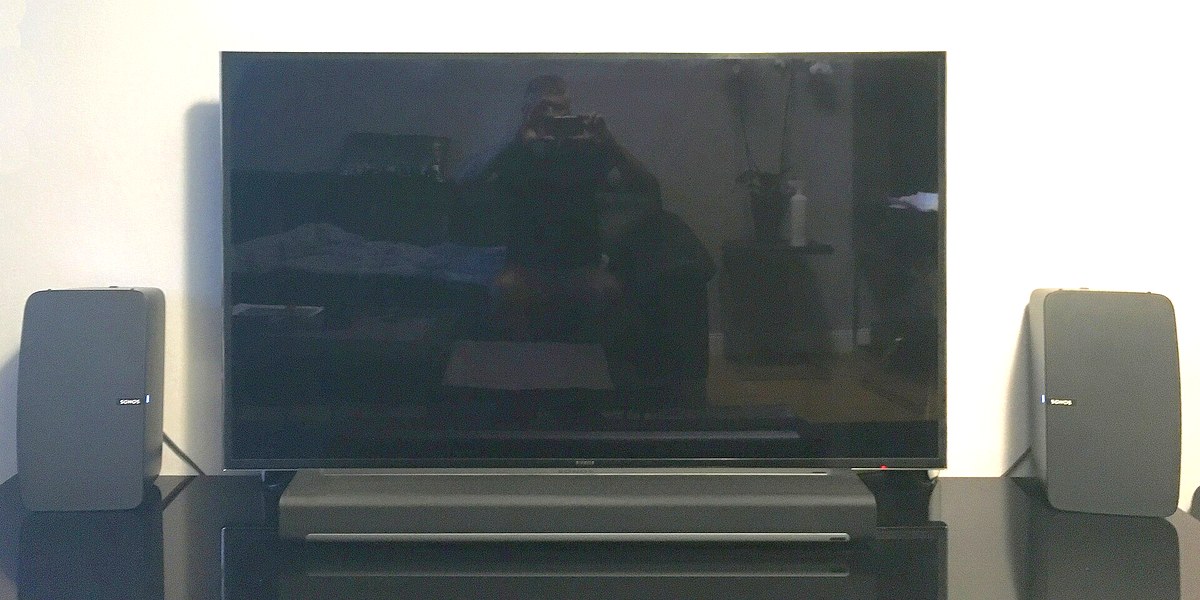
Ask an audiophile and a soundbar is a compromise. Ask most living rooms and a pair of bookshelf speakers is an upgrade they never wired for. The truth is that soundbar vs speakers isn’t a sound-quality question, it’s a room question. If you mostly watch TV and movies, a soundbar with a subwoofer is the right answer for the overwhelming majority of homes. If you listen to music seriously, or your sofa sits in a big open space, separate speakers earn their place. Here’s how to tell which one you are in about two minutes, without an audio degree.
- A soundbar wins in most living rooms because dialogue clarity beats raw sound quality for TV — the center channel is what you’re actually missing, not the bass
- Separate speakers win when music matters: physical left-right separation creates a soundstage a one-box soundbar cannot fake
- The room decides before the gear: small rectangular room with a seated viewing spot = soundbar; open plan or music-first habits = speakers
- An entry-level budget buys a genuinely good soundbar with a subwoofer, while real speakers need a receiver or a powered pair that changes the budget math
- Virtual Dolby Atmos from a soundbar uses up-firing drivers that need a low, flat ceiling to bounce off — no ceiling, no real effect
- Buy for your TV’s actual outputs: HDMI eARC is the port that makes a soundbar one-cable simple, and it opens a future upgrade path either way
Which should you buy — a soundbar or separate speakers?
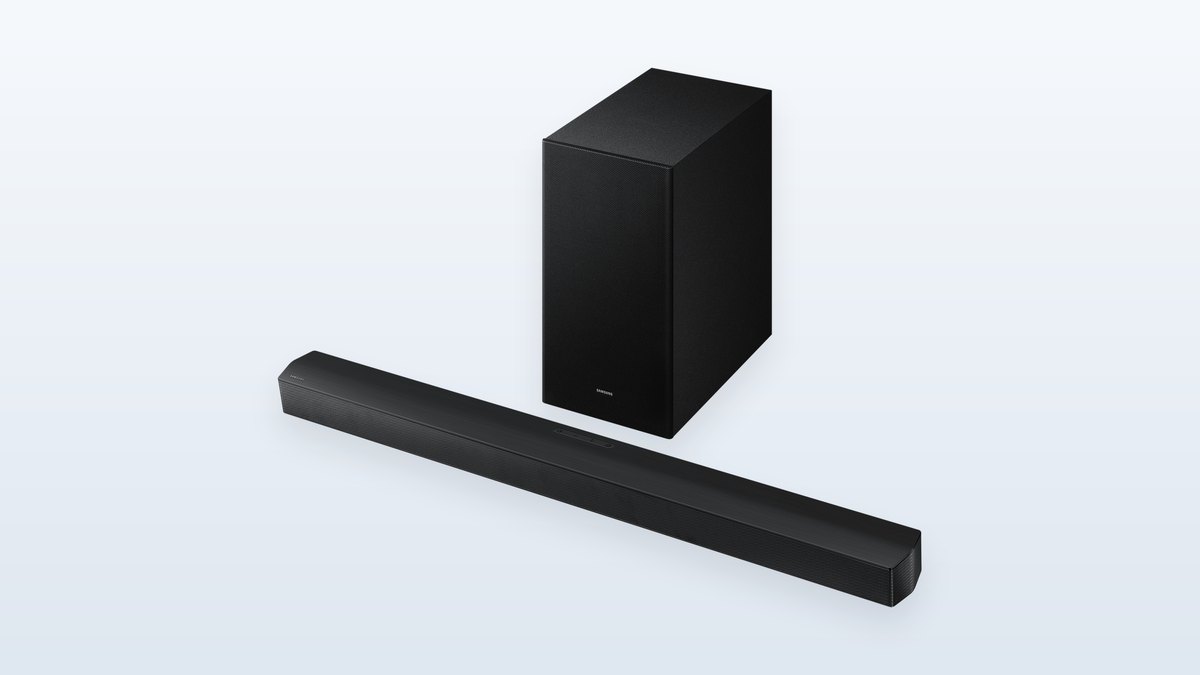
★ Your pick: Samsung HW-B630F
Best for TV — clear dialogue, ten-minute setup
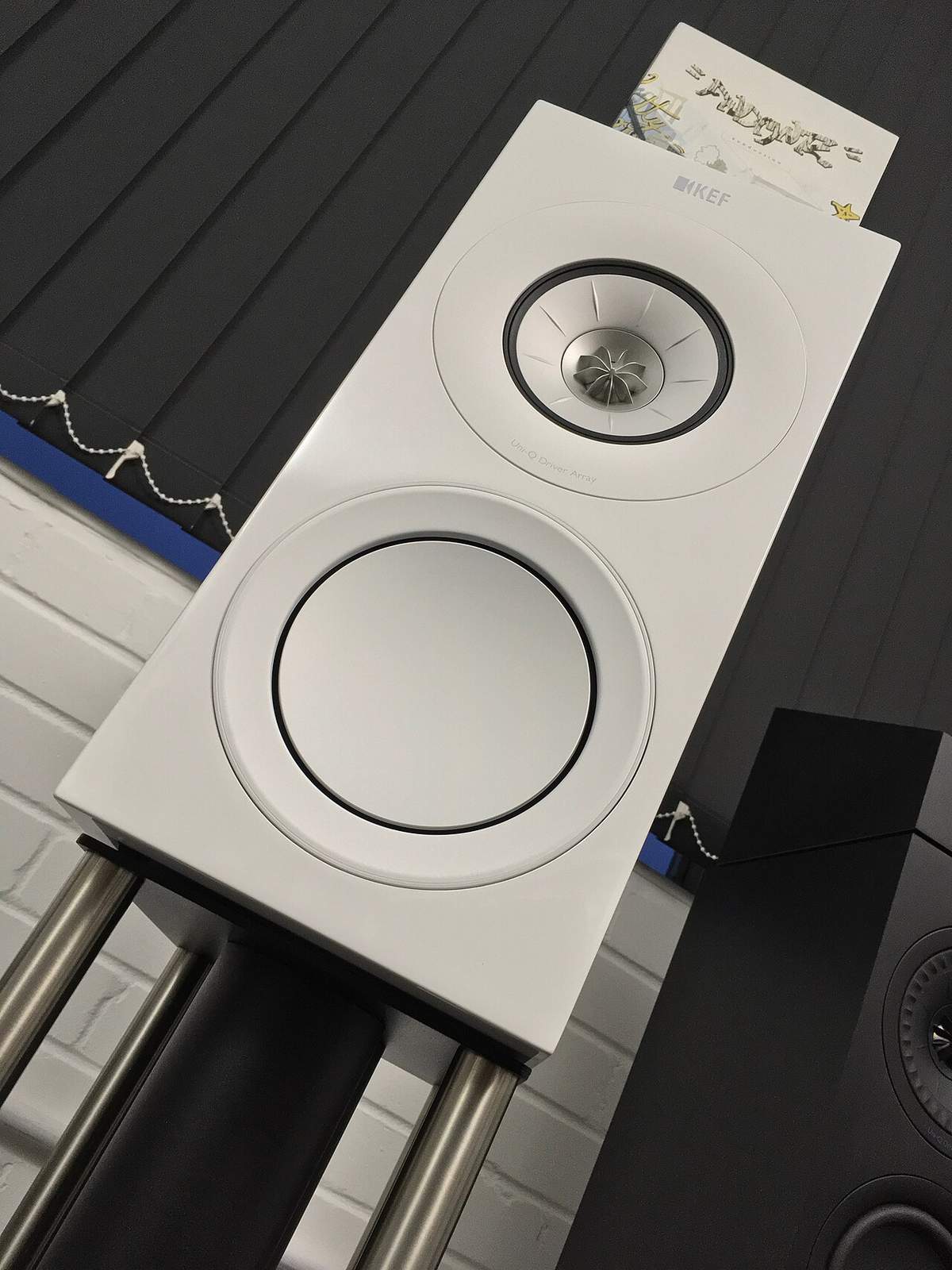
★ Your pick: KEF R3 Meta Bookshelf Speakers
Best for music — real stereo imaging, needs an amp
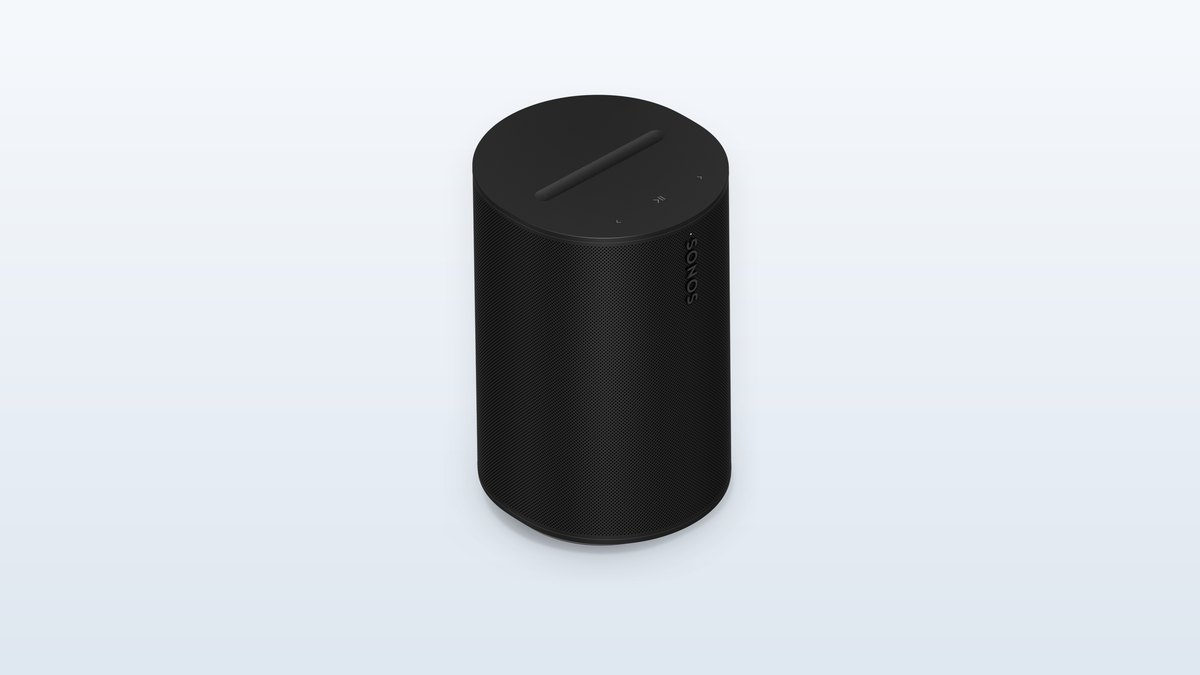
★ Your pick: Sonos Era 100 SL
Best wireless/multi-room — music anywhere, no wires
👑 Our Top Pick — Best Overall Value
Samsung HW-B630F
Best for TV and movies — a real center channel, clear dialogue, wireless sub
Opens on our Top Pick. Tap an option to see the best match for you.
Why the Question Is About Your Room, Not Your Ears
Every forum thread on this ends in a holy war about frequency response, and every one of them answers the wrong question. Your buying decision was made the day the room was built: where the sofa sits, how far apart the walls are, whether anywhere at ear level isn’t also a walking path.
A soundbar is one enclosure under the TV, so it works in any room with a horizontal surface. Separate speakers need left and right positions roughly as far apart as they are from you, at ear height, unblocked. In a typical living room that means rearranging furniture or buying stands — a fact that filters out more buyers than price ever does.
The catch: the question everyone actually types — are soundbars better than speakers — has no answer until you know which room it’s going into. A modest soundbar in a small apartment beats a speaker setup four times the price jammed against one wall, because the speakers were never going to sound like themselves anyway.
What Each Option Actually Does Well
The whole decision, on one screen.
| Weighing | Soundbar with a sub | Separate speakers |
|---|---|---|
| Dialogue | Dedicated center channel | Phantom center, unless you add one |
| Music | One box, no stereo width | Real imaging, five or six feet apart |
| Room demand | Any surface under the TV | Two ear-height spots, clear of walkways |
| Entry cost | One entry-level purchase, all in | Speakers plus an amp, roughly double a bar, or a powered pair |
| Setup | One HDMI cable, ten minutes | Wire runs, placement, an amp to pick |
| Upgrade path | Add rears or a sub, if the brand allows | Swap any component, any brand, forever |
The Soundbar’s Real Superpower Is Dialogue
TV sound fails inside modern flat panels for the same reason soundbars exist: there is no room in a 6-millimeter chassis for a speaker that faces the listener. A soundbar fixes that with a dedicated center channel, and dialogue clarity is the single most valuable upgrade you can make to a TV. Explosions, scores, ambience — all garnish next to hearing what people are saying without subtitles.
Why Speakers Win on Music and Soundstage
Two speakers physically separated by five or six feet create a stereo image: a phantom center, instruments anchored in space, a width no single enclosure can produce. This matters almost nothing for a sitcom and almost everything for music. If your listening is 70 percent music, speakers are not a luxury, they are the point. The modern middle ground is a powered pair — active speakers with amplifiers built in, no receiver required, and good ones run from budget to mid-range money.
What DSP Virtual Surround Can and Can’t Do
Soundbars fake surround with digital signal processing and, on pricier models, up-firing drivers that bounce sound off the ceiling. Dolby is quietly honest about this: its own Atmos speaker setup guides list “Dolby Atmos-enabled” up-firing speakers as a separate layout from true overhead speakers, not an equal one. The ceiling part has a hard requirement — low, flat, and you sitting close to the bounce point. A vaulted ceiling or a high ceiling turns the effect into mush. DSP can widen the stage convincingly for movies, but it cannot create height or a real rear channel. Want the full 5.1 or Atmos experience? Take the speaker-and-receiver path, or set expectations accordingly.
Tip: run the one-minute test that decides most cases. Play a song you know well through your TV’s speakers at moderate volume and listen. “The vocals sound buried” is a center-channel problem — a soundbar solves it. “It sounds flat and narrow” is a soundstage problem — speakers solve it.
The Quick Decision Tree for Your Setup
- You mainly watch TV and movies, seated, one primary viewing spot: soundbar with a wireless subwoofer. Best value per dollar in home audio, full stop.
- Music is a big part of your day and the room has a natural left-right spot: a powered bookshelf pair, then add a subwoofer if you miss the low end.
- Small apartment, tiny TV stand, renters: soundbar, and the smaller the better. Speakers you cannot place are wasted money.
- PC gaming, desk setup, no TV involved: modest 2.0 or 2.1 powered speakers with a headphone output win for most desks — a soundbar at a desk is a compromise of a compromise. If you insist, get one with a wired sub output and a 3.5mm or optical input.
- Big open-plan room where the TV isn’t the focal point: speakers across the space, TV sound handled separately. No soundbar fills an open room from under the TV.
- “Reddit says X”: treat forum opinions as data, not law. The pattern in every thread is never “soundbars are bad” — soundbar owners with small rooms are happy, speaker owners with a dedicated listening spot are happy, and the people who bought for the room they wished they had write the angry posts. Sound is also only half a TV upgrade: our deep dive on what Dolby Vision actually buys you covers the picture half.
What the Money Actually Buys
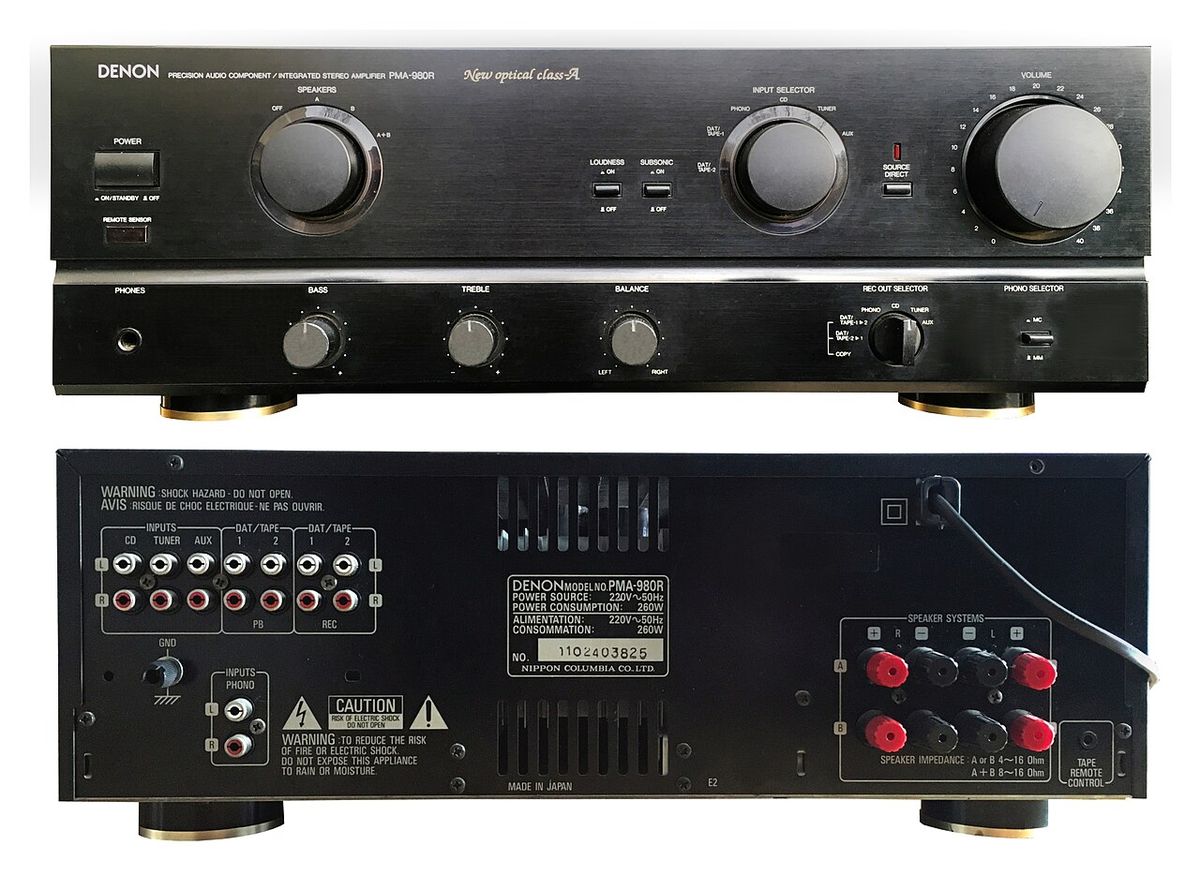
Prices move fast and regional deals change what’s “cheap,” so here is what the budget bands actually get you rather than model-by-model pricing. CNET’s Ty Pendlebury settles the same question with a single price cutoff — below the cutoff buy a soundbar, above it buy a receiver and stereo speakers — which is a good rule and a blunt one. Here is the finer-grained version.
- Entry level: a genuinely good soundbar with a wireless subwoofer, HDMI ARC, and decent DSP. This is the single most effective home-theater dollar you can spend, and it beats the TV’s speakers by a margin you will notice in the first scene.
- Mid range: soundbars gain real Atmos drivers if your ceiling cooperates, or you step into powered bookshelf speakers with a small sub. This is where speaker-lovers start to argue, honestly, that the speakers are now the better buy.
- Upper mid range: a proper 5.1 or Atmos receiver with a 5-speaker set beats every soundbar at this price for movies; a serious 2.0 stereo (KEF R3 Meta class) beats everything for music. The soundbar only keeps the simplicity argument here.
- The hidden cost of speakers: a receiver or amplifier, speaker wire, placement, and possibly stands. Budget a serious amount on top of any “just the speakers” number — it can approach the cost of the speakers themselves. Soundbars hide all of this inside one box — that convenience is a real feature, not marketing.
Note: ARC and eARC are not the same promise. The HDMI Forum’s own eARC page lists uncompressed 5.1 and 7.1, 32-channel audio and Dolby Atmos over eARC; plain ARC hands your bar a compressed downmix. At entry-level prices you’re almost always buying ARC — which, on a 3.1 bar with no height channels to feed, costs you nothing you’d have heard.
The fine print: TechDaily earns a commission on some links in this article. It never changes what we recommend.
The Best Soundbars and Speakers for Most Homes
1. Samsung HW-B630F Soundbar With Wireless Subwoofer — Best for TV and Movies
Entry level3.1ch + Wireless SubHDMI ARCReal Center Channel
The Samsung HW-B630F is the cheapest way to buy the thing that actually matters — a dedicated center speaker. Samsung sells it well below its list price, and 3.1 is the number to read: three front channels means dialogue gets its own driver instead of being smeared across a stereo pair. The subwoofer is genuinely wireless, so it hides behind the sofa. One HDMI ARC cable (or optical, on an older TV) and you’re done in ten minutes, no receiver involved.
What you give up is height, real rears, and Wi-Fi. Bluetooth is the wireless input, there’s no app streaming, and DTS Virtual:X widens the stage without inventing a ceiling. That’s the honest shape of an entry-level bar — it fixes the problem you bought it for and doesn’t pretend to be a home cinema.
Pros
- a real 3.1 center channel for dialogue
- wireless sub you can hide
- one-cable HDMI ARC setup
- Dolby Audio and DTS Virtual:X on board
Cons
- virtual surround only, no true height or rears
- ARC rather than eARC
- no Wi-Fi or app streaming
- music is good, not hi-fi
2. KEF R3 Meta Bookshelf Speakers — Best for Music Lovers
High-endHi-FiNeeds an AmplifierUni-Q Driver
These are the high bar of the bookshelf class, and they make the music argument better than any paragraph can: a pair of KEF R3 Metas with a decent amplifier produces timing, imaging, and instrument separation that no soundbar at any price approximates. The Uni-Q driver array points the whole spectrum at the listening position, and the “Meta” part is a disc of labyrinthine absorption behind the tweeter that soaks up the rear-firing energy that would otherwise come back at you as hardness. KEF sells them as a high-end pair, priced like one.
The honest context: this price is aspirational for most people. They are here to set the ceiling — and to make the point that an entry-level powered pair gets you eighty percent of the experience for a tenth of the money. That, not this, is the best-value music setup on the market.
Pros
- reference-class imaging and detail
- excellent music reproduction
- timeless design
Cons
- amplifier required
- placement matters a lot
- the price is far beyond casual buyers
3. Sonos Era 100 SL — Best Wireless / Multi-Room Speaker
Mid rangeWi-Fi 6Multi-RoomNo Mic
The Sonos Era 100 SL is the “I love music but I will never own a receiver” answer, and it’s the name to ask for — the One SL it replaced was discontinued in 2023, so anything still listed under that name is old stock. Sonos sells it as a single mid-priced speaker. It streams over Wi-Fi to any room, pairs into a stereo set with a second unit, and groups with the rest of the Sonos family, so the kitchen speaker becomes half the living-room stereo later. Two of them also serve as rear channels behind a Sonos bar — the cheapest honest route to real surround in this article. No microphone, no voice assistant, which is a feature if privacy matters to you.
Its limitation is every wireless speaker’s limitation: it is not a soundstage machine, and two of them won’t reproduce a true left-right image the way a properly placed passive pair does. What you get is music everywhere, with zero clutter.
Pros
- effortless multi-room audio
- pairs into stereo or into rears for a Sonos bar
- Bluetooth and AirPlay 2 as well as Wi-Fi
- no wires
Cons
- single-point sound versus true stereo
- needs Wi-Fi to do its real job
- line-in only through Sonos’s USB-C adapter, sold separately
What This Decision Comes Down To
The argument was never soundbar versus speakers on merit. It was whether your room can host two speakers at ear height, five or six feet apart, without anyone tripping over them. If it can’t, the speakers you buy will never sound like the ones you heard in the shop, and an entry-level bar with a real center channel will make you happier every night. If it can, and music is a real part of your week, the powered pair is the buy and the soundbar is the compromise.
So before you spend anything, stand where the speakers would go and ask whether you’d actually leave them there. That settles this more reliably than any spec sheet or thread. Atmos, eARC, channel counts — all details you only get to enjoy once the room says yes.
Featured photo: Pittigrilli / Wikimedia Commons, CC BY-SA 4.0.
Frequently Asked Questions
Is a soundbar better than speakers?
For a typical TV-and-movies living room, yes — a soundbar with a subwoofer delivers more of what that room actually needs (clear dialogue, simple setup) for less money and effort than speakers. For music and true stereo imaging, separate speakers are better. The honest answer is that the winner depends on the room and the use, not on either product being universally superior.
Do I need a receiver with a soundbar?
No. That is the central convenience of a soundbar: the amplifier, DSP, and connectivity live inside the bar, and it connects to the TV over HDMI eARC (or optical on older sets). You only need a receiver when you move to separate passive speakers or a true multi-channel setup.
Soundbar vs speakers for music, which wins?
Speakers win for music, decisively, if placement is possible. A pair of powered bookshelf speakers produces a stereo image a soundbar cannot. If placement is impossible — no surfaces, tiny room — a good soundbar or a Sonos-style wireless speaker beats nothing, but that is a convenience win, not a sound-quality one.
Can I use a soundbar with a receiver?
Yes, two ways: connect the soundbar to the receiver as a second zone or through its HDMI output, or skip the receiver entirely and let the soundbar handle the sound. In practice, if you already own a receiver and speakers, adding a soundbar is usually a downgrade — the soundbar exists to replace that stack, not join it.
Soundbar vs speakers for gaming, which is better?
For desk gaming, a powered 2.0 or 2.1 speaker set with a headphone output is the standard choice, because desktop placement is easy and positional audio matters more than surround gimmicks. For couch console gaming on a TV, the answer reverts to the room logic: a soundbar with a sub delivers the cinematic feel most console players actually want.
Do I need a subwoofer with a soundbar?
For movies, yes — the sub is where the theater feel comes from, and most soundbar packages include a wireless one. For dialogue-focused TV in a small room, a bar alone is acceptable, but the sub is the biggest single upgrade after the soundbar itself. If your package lacks one and you notice thin sound, a cheaper wireless sub is a worthwhile add-on rather than replacing the whole system.