- The SwitchBot AI MindClip is an 18g clip-on AI recorder that turns conversations into searchable summaries and to-dos — a wearable ‘second brain’ — but it was only previewed at CES 2026 and isn’t buyable yet.
- There’s no official price or release date as of June 2026; comparable devices (Anker Soundcore Work, Plaud NotePin) cluster in a narrow price band plus a subscription, so a similar range is a reasonable guess — not a confirmed number.
- The always-on recording that makes it useful is also its biggest risk: all-party-consent laws, cloud-stored audio, and unverified privacy claims mean you should wait for a price, date, policy, and reviews — or buy a proven competitor now.
SwitchBot walked into CES 2026 with a gadget that records almost everything you say — and the internet hasn’t stopped talking about it since.
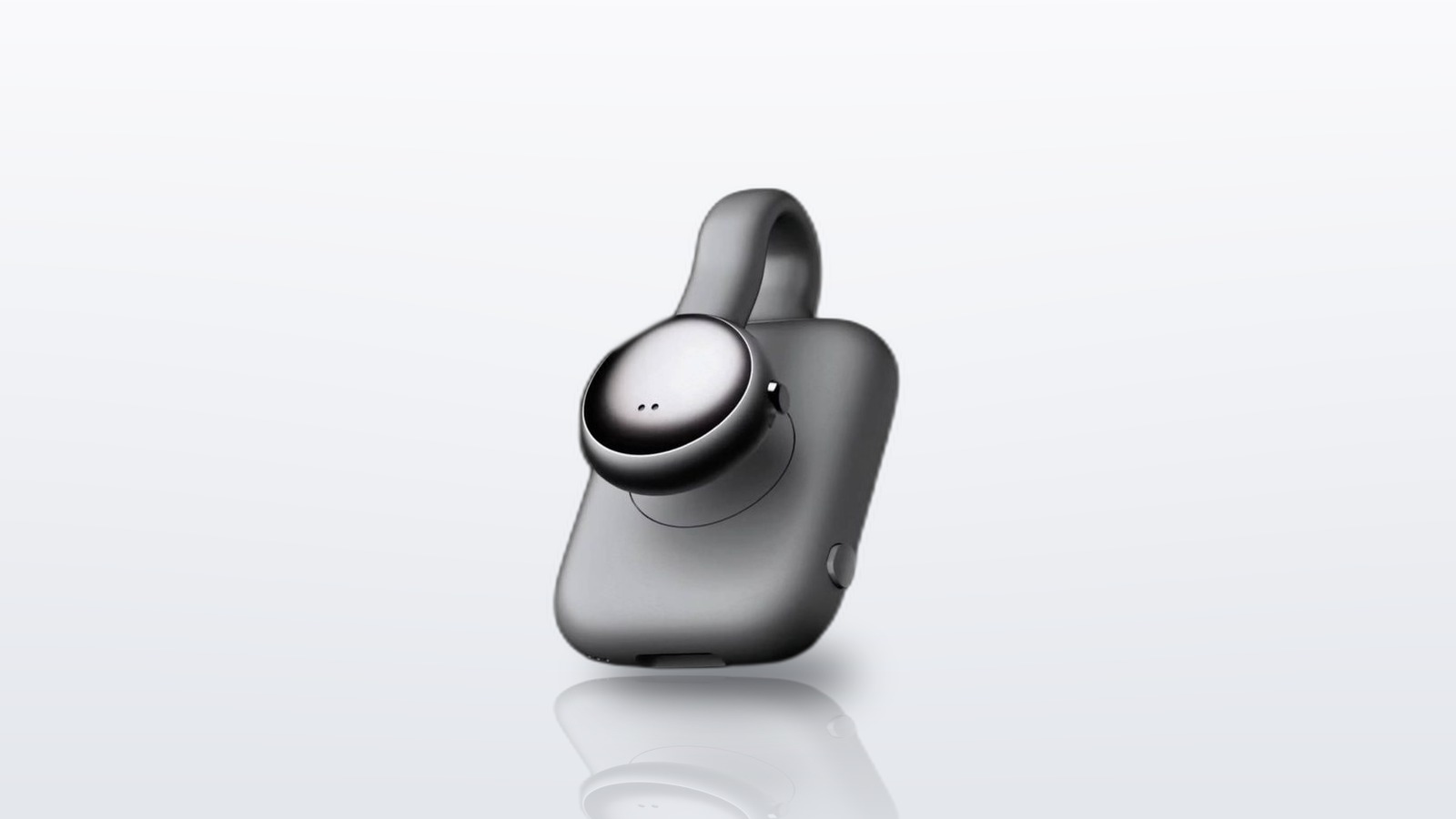
The SwitchBot AI MindClip is a tiny wearable that clips to your collar, captures your conversations, and turns them into searchable notes, summaries, and to-dos. The pitch is bold: a “second brain” you wear, so you never have to scramble to remember what was said in a meeting, a lecture, or a hallway chat again.
It’s slick. It’s a little unsettling. And the two questions everyone is actually Googling — how much does it cost and when can I buy it — are the two SwitchBot has been quietest about.
Here’s the honest breakdown: what the MindClip is, how the “second brain” idea actually works, where it sits in a suddenly crowded field of AI note-takers, what the price and release date are likely to be, and whether you should wait for it or buy a proven alternative today.
What Is the SwitchBot AI MindClip?
The SwitchBot AI MindClip is a wearable AI audio recorder. It’s a clip-on device, roughly the size of a coin, that attaches to your shirt collar or lapel and weighs just 18 grams (0.6 oz) — lighter than most smartwatches and light enough to forget you’re wearing it.
Its job is simple to describe and ambitious in practice: it listens, records, and transcribes the spoken world around you, then uses cloud AI to organize that audio into something useful — summaries, to-dos, and a searchable archive of everything you’ve heard.
SwitchBot is best known for smart-home gadgets — button-pushing robots, curtain openers, hubs, and sensors. The MindClip is its first serious move into the booming AI note-taker space, putting it head-to-head with devices like Anker’s Soundcore Work, the Plaud NotePin, and the Plaud Note Pro. It was unveiled at CES 2026 in early January alongside the company’s broader “Smart Home 2.0” robotics push, and reviewers on the show floor were quick to note how closely it resembles Anker’s clip.
Key specs reported at its CES 2026 preview (SwitchBot has not published a final spec sheet, so treat these as reported rather than finalized):
- Weight: 18 grams (0.6 oz)
- Form factor: Collar/lapel clip, roughly coin-sized
- Language support: Over 100 languages
- AI features: Transcription, summaries, auto-generated to-dos, searchable knowledge base, voice-command retrieval
- Service model: Cloud-based AI delivered via a subscription
- Positioning: “Privacy-first,” with SwitchBot citing end-to-end encryption at the preview (unverified by independent reviewers)
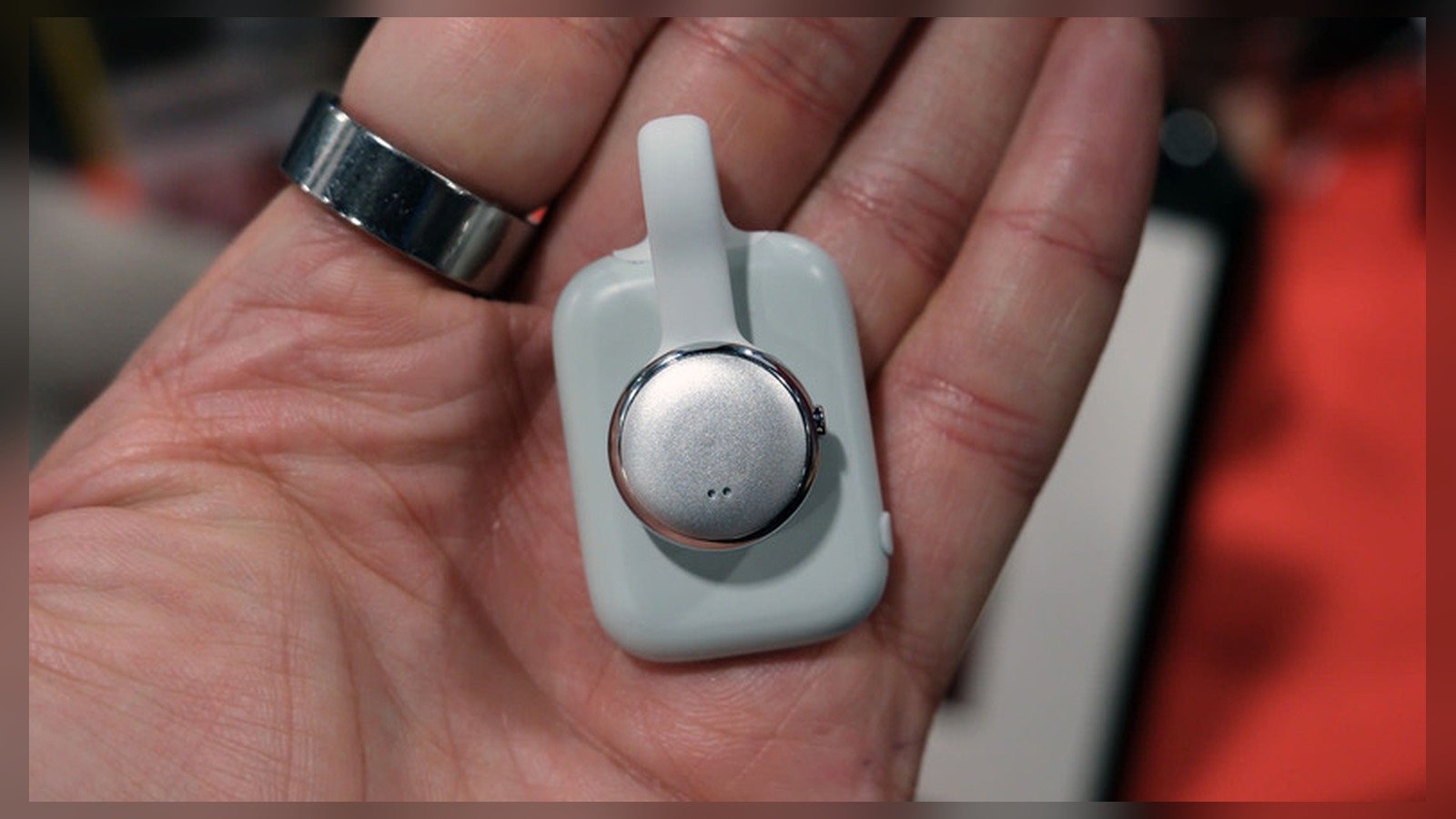
One detail worth flagging up front: reviewers at CES could not see a fully working unit. SwitchBot showed the hardware and described the experience, but the on-floor demo was limited. That gap between “what SwitchBot says it does” and “what reviewers have actually verified” runs through everything below — and it’s the single biggest reason to be patient before buying.
How the MindClip Works as a “Second Brain”
The MindClip’s whole identity is built around one idea: you shouldn’t have to take notes anymore. Instead of you remembering, the device remembers — and the AI turns that raw memory into something you can actually use.
Throughout the day, the device continuously captures meetings, conversations, and everyday moments. That audio gets piped to SwitchBot’s cloud AI, which does the heavy lifting:
- Transcribes what was said, across 100+ languages, turning speech into searchable text.
- Summarizes long conversations into the key points, so a 45-minute meeting becomes a paragraph you can skim.
- Extracts action items and turns them into to-dos — for example, surfacing “send the contract by Friday” from a rambling call without you flagging it.
- Builds a searchable archive so you can ask, “What did my manager say about the Q3 deadline?” and get an answer pulled from weeks of recordings.
The pitch goes one step further than passive recording. SwitchBot says the AI will take initiative — creating reminders based on what it thinks you’ll need later, without you asking. In SwitchBot’s framing, you mention a dentist appointment in passing and the system quietly files a reminder for it. That proactive layer is what separates the “second brain” marketing from an ordinary voice recorder: the device isn’t just storing audio, it’s supposed to anticipate.
It’s the same dream chased by every AI wearable note-taker at CES this year: offload your memory to a gadget so your brain is free to actually be present in the room instead of scribbling. As with any AI output, though, the results are only as trustworthy as the model behind them — the same caution that applies when you try to spot AI-generated images applies to auto-generated transcripts and summaries.
A few important caveats sit underneath that glossy pitch:
The Hardware Alone Is Just a Voice Recorder
The “second brain” lives in the cloud software, and the software costs money. Without an active subscription, you’re likely left with a clip that captures audio but loses most of the intelligence — the summaries, the smart search, the proactive reminders. Budget for the service, not just the device.
Continuous Capture Cuts Both Ways on Privacy
The value proposition depends on the device listening for long stretches, which is exactly what makes it powerful and exactly what makes it a privacy concern (more on that below). The same feature that builds a useful archive also builds a recording of everyone near you.
Proactive AI Will Sometimes Misfire on Tasks
A system that auto-creates reminders and extracts tasks will occasionally misfire — surfacing a “to-do” from a joke, or mis-transcribing a name in a noisy room. Until reviewers test accuracy in the real world, the reliability of the smart features is unproven.
Where the MindClip Fits in the AI Note-Taker Landscape
The MindClip isn’t arriving in an empty field. Over the past year, wearable AI recorders have gone from novelty to a genuine product category, and SwitchBot is a relative latecomer to a fight that already has established players.
Understanding the competition is the fastest way to understand the MindClip — because, on paper, it’s offering the same core promise as everyone else.
- Anker Soundcore Work — The closest comparison, and the device the MindClip most visibly resembles. It’s a clip-on AI recorder that anchors the bottom of that band (with an optional subscription, monthly or cheaper annually, for the heavier AI features). Anker’s advantage is that it actually ships, has been reviewed, and comes from a company with a deep accessories track record. If the MindClip is “Anker’s idea with SwitchBot’s branding,” the burden is on SwitchBot to do it better.
- Plaud NotePin — A same-priced wearable recorder that helped define the category, with strong app polish and a clear note-taking workflow. Its main limitation versus the MindClip is language coverage: the NotePin is reported to support around 59 languages, while SwitchBot claims 100+. For multilingual users and global teams, that gap is the MindClip’s clearest on-paper edge.
- Plaud Note Pro — A step up in price, aimed at users who want more advanced capture and AI features. It signals where pricing tops out for a premium clip in this category, which matters when you’re trying to predict where the MindClip will land.
- Phone apps and meeting bots — The unglamorous competitor everyone forgets. Otter, built-in phone transcription, and meeting-assistant bots already do summaries and searchable transcripts for free or cheap, without a second device to charge and carry. A wearable has to justify its existence against the phone already in your pocket — its pitch is in-person, always-on capture that a meeting bot can’t reach.
The takeaway: the MindClip’s headline features — transcription, summaries, to-dos, searchable archive — are now table stakes, not differentiators. SwitchBot’s bets are broad language support, its smart-home ecosystem, and whatever it can do on price. None of those will be proven until the device ships and reviewers compare it directly.
What We Know About the SwitchBot MindClip Price
Let’s be direct, because this is the question with the murkiest answer.
As of June 2026, SwitchBot has not announced an official price for the AI MindClip. The product was shown at CES 2026 in early January, but it launched as a preview, not a purchasable product. Coverage from the show consistently noted that SwitchBot did not share pricing or availability, and official listings still read “Coming Soon — Price TBA.”
So what should you actually expect to pay? Here’s the speculation, clearly labeled as speculation, based on comparable devices already on the market (prices as of June 2026):
- Anker Soundcore Work — bottom of the band (plus an optional subscription, monthly or annual)
- Plaud NotePin — the same as the Anker
- Plaud Note Pro — the priciest of the three
These competitors cluster tightly within about ten percent of each other for the hardware, with the genuinely useful AI features gated behind a recurring subscription. At its CES 2026 preview, SwitchBot indicated the MindClip will follow the same hardware-plus-subscription structure, so the recurring fee is the part of the bill most people underestimate. That pattern — hardware as the teaser, metered cloud AI as the real cost — is the consumer face of the same dynamic driving the tokenmaxxing trend in company AI budgets.
A reasonable guess is that the MindClip lands in roughly that same band at launch, with a monthly or annual AI plan on top. But that is an estimate based on the market — not a number SwitchBot has stated. Treat any “official” MindClip price you see floating around right now with suspicion; if SwitchBot hasn’t published it, it’s a guess or a fabrication, no matter how confident the source sounds.
One more thing to factor into the real cost: subscriptions compound. A clip in this band plus an annual AI plan costs more than three times the hardware price across four years, before you replace it. When you’re comparing the MindClip to alternatives, compare total cost of ownership, not the sticker price.
SwitchBot MindClip Release Date
Same honest answer here: as of June 2026, SwitchBot has not announced an official release date for the AI MindClip.
It debuted at CES 2026 in January and remains in a “coming soon” status. SwitchBot has not committed to a specific availability window, pre-order date, or shipping quarter in any of its public materials or its official CES press release.
CES debuts often turn into mid-to-late-year retail launches, and some never ship at all in the form they were shown — concepts get reworked, delayed, or quietly shelved. A 2026 release is plausible given how far along the hardware appeared, but until SwitchBot opens pre-orders or publishes a date, there is nothing confirmed. If a release date matters to you, the safest move is to wait for an official SwitchBot announcement rather than a third-party “leak” or an aggregator’s optimistic guess.
You can track the latest official details on the SwitchBot CES 2026 press release.
Privacy and the Legal Reality of an Always-On Recorder
It’s worth stating plainly: a device whose entire purpose is to record the people around you is a privacy minefield — and this deserves more than a footnote, because it’s the part most likely to get an owner into actual trouble.
- Consent laws vary, and getting it wrong can be illegal. In many U.S. states and countries, recording a conversation requires the consent of all parties — not just you. “Two-party” (all-party) consent states like California, Florida, and Illinois treat secretly recording a private conversation as a legal violation, not just a faux pas. A collar device that records by default makes it dangerously easy to capture people who never agreed to it, in a meeting, a doctor’s office, or a private home.
- Your audio lives in someone else’s cloud. The smart features depend on uploading your recordings to SwitchBot’s servers for processing. That means trusting a smart-home company with some of your most personal data — conversations about health, money, work, and relationships. SwitchBot has used “privacy-first” language and cited end-to-end encryption at its preview, but no independent reviewer has verified those claims, and the privacy policy that governs your data hasn’t been published for the shipping product.
- The people around you can’t opt out. Even if you’re comfortable being recorded, everyone within microphone range becomes part of your archive without a say. That’s an ethical issue in social settings and a compliance issue in regulated ones — workplaces, schools, and healthcare environments often have strict rules about recording that a personal wearable can quietly violate.
- An always-on archive is a standing liability. A searchable record of months of conversations is a tempting target — for hackers, for legal discovery, and for anyone who gains access to your account. The more the device remembers, the more there is to leak. Before strapping an always-on recorder to your chest, know your local laws and read the privacy policy carefully when it’s published.
The short version: the MindClip’s killer feature and its biggest risk are the same thing. Decide how you feel about that before you decide whether to buy.
Should You Wait for the MindClip, or Buy an Alternative Now?
Because pricing and timing are still up in the air, nobody can buy the MindClip yet anyway — but here’s how to think about it, and what to do if you want this capability today.
Reasons the MindClip could be worth the wait:
- Genuinely tiny and light at 18 grams. All-day wearability is a real advantage for a device meant to capture everything; a clip you actually keep on is worth more than a better one you leave at home.
- 100+ language support is a standout. It beats the Plaud NotePin’s reported ~59 languages by a wide margin, which is a concrete edge for travelers, multilingual households, and global teams who switch languages mid-conversation.
- Auto-summaries and to-dos solve a real, daily pain. The “I forgot what we agreed on” problem is universal, and a device that reliably captures action items would earn its keep for busy professionals and students.
- SwitchBot has a solid hardware track record. Its smart-home gadgets are generally reliable and reasonably priced, which is some reason to expect competent hardware — even if the AI is unproven.
Reasons to be cautious:
- It’s always listening. A collar device that records conversations raises the consent and privacy issues above — for you and for everyone around you who didn’t agree to it.
- The best features are behind a subscription. Your real cost isn’t the clip; it’s the clip plus years of recurring fees, which can easily exceed the hardware price over time.
- The category is crowded and the MindClip is unproven. Anker and Plaud already ship mature, reviewed products, and reviewers at CES couldn’t even see a fully working MindClip — so its accuracy and reliability are entirely untested in the real world.
- No price, no date. You can’t plan a purchase around a product that hasn’t committed to either, and CES concepts sometimes change or never ship as shown.
If you want this capability today, the proven path is the Anker Soundcore Work or a Plaud device — they’re shipping, reviewed, and priced. The trade-off is you lock into their subscription and ecosystem now rather than waiting to see if the MindClip does it better.
The honest take: the MindClip is exciting and worth watching, but there’s no rush — because there’s nothing to buy and no firm date to buy it. Wait for an official price, a release date, a published privacy policy, and independent reviews before you get attached. If you need an AI note-taker right now, buy a proven competitor; if you can wait, the MindClip is worth keeping on your radar.
Frequently Asked Questions
What is the SwitchBot AI MindClip?
It’s a wearable AI audio recorder that clips to your collar, captures conversations, and uses cloud AI to transcribe them and turn them into searchable notes, summaries, and to-dos. SwitchBot unveiled it as a “coming soon” preview at CES 2026.
How much does the SwitchBot MindClip cost?
There is no official price as of June 2026 — listings say “Price TBA.” Comparable devices like the Anker Soundcore Work and Plaud NotePin sell in a narrow band, so a similar range is a reasonable (but unconfirmed) guess, likely plus a subscription.
When is the SwitchBot MindClip release date?
SwitchBot has not announced an official release date. The MindClip was shown as a “coming soon” preview at CES 2026 and has no confirmed availability window yet.
Does the MindClip require a subscription?
Yes. Based on its CES 2026 preview, SwitchBot has indicated that its key AI features — summaries, smart search, and the cloud-powered “second brain” — run on a subscription service. Subscription pricing has not been disclosed.
How is the MindClip different from the Anker Soundcore Work and Plaud NotePin?
They’re close competitors with similar size and functionality. The MindClip’s clearest on-paper edge is language support — 100+ versus the Plaud NotePin’s reported ~59. The Anker Soundcore Work is the device it most resembles physically. The big difference today is that the competitors ship and are reviewed; the MindClip is not.
Is it legal to record conversations with the MindClip?
That depends entirely on where you live. Many regions — including U.S. “all-party consent” states like California, Florida, and Illinois — require consent from everyone being recorded. Always check your local recording laws before using any always-on wearable recorder.
Is the SwitchBot MindClip private and secure?
SwitchBot has described it as “privacy-first” and cited end-to-end encryption at its CES 2026 preview, but no independent reviewer has verified those claims, and the privacy policy for the shipping product isn’t published yet. Because recordings are processed in SwitchBot’s cloud, you should read that policy carefully before trusting it with sensitive conversations.