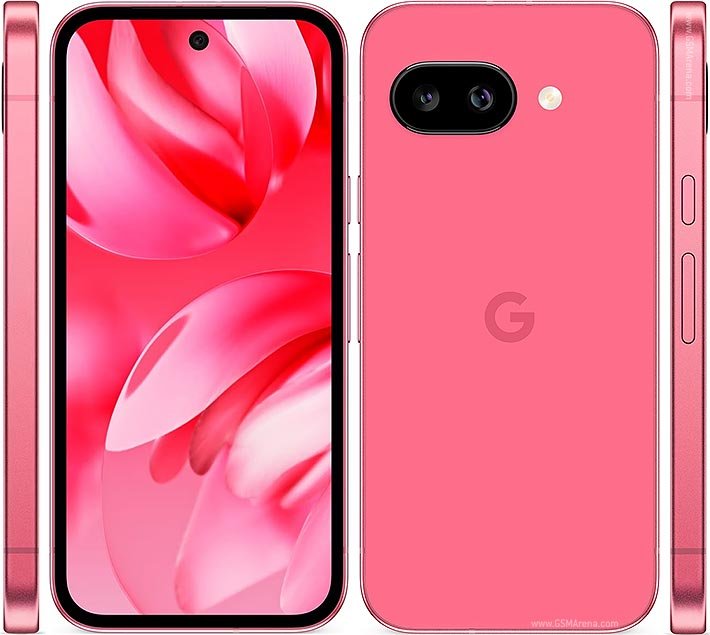
Here’s the good news nobody at the flagship counter wants you to hear: the gap between a $500 phone and a flagship has never been narrower. In 2026 the best phone under 500 gives you a 120Hz OLED screen, a camera that embarrasses last year’s flagships, and — in two cases on this list — seven years of software updates. You are not buying a disposable phone anymore. You are buying a phone that will still be getting security patches when your friend’s flagship is a paperweight.
Published July 8, 2026 · Last updated September 4, 2026
The catch is that “under $500” is a crowded, confusing shelf, and the specs that get printed on the box are almost never the ones that decide whether you’ll still like the phone in year three. So I’m going to do this the way I’d do it for a friend who just texted me “what phone should I get, I don’t want to overthink it.” First, the four things that actually matter at this price. Then six real phones, each one the clear winner for a specific kind of person. And finally, the honest answer to the question in everyone’s back pocket: where’s the iPhone?
- New year, new king: the Google Pixel 10a takes the crown — Tensor G4, a 3,000-nit display, a 5,100mAh battery, and seven years of updates that run to 2033. If you don’t want to think, buy this.
- The Pixel 9a just became the deal of the list. Same Tensor G4, same seven-year runway (to 2032), and it now rides near-constant sales. Pound for pound, the best value on this list.
- Want the big Samsung screen? The Galaxy A37 5G packs a 6.7-inch 120Hz AMOLED, 45W charging, IP68, six years of updates, and — new to this tier — Samsung’s Galaxy AI tools.
- The Nothing Phone (4a) Pro is finally sold in the US the normal way, and it brings the only 3.5x periscope zoom and the only 144Hz screen under $500.
- Battery still belongs to the Motorola Edge 2025 — a DXOMARK gold-rated 5,200mAh cell and 68W charging.
- Need a pen? The Moto G Stylus 2026 is the only phone here with a real pressure-sensitive stylus — plus 68W charging and IP69 toughness, but only two OS updates.
- There is still no new iPhone under $500. The cheapest one, the iPhone 17e, launches clean over this list’s ceiling. Your only sub-$500 Apple play is a used iPhone 16e — more on that below.
What Actually Matters When You Buy a Phone Under $500
Spend five minutes on any spec sheet and you’ll drown in numbers that don’t matter: gigahertz, milliamp-hours, megapixels stacked like poker chips. Ignore most of it. At this price, four things decide whether you love the phone or resent it by next Christmas. Get these right and the rest is noise.
How Long the Chip and Updates Will Last
This is the one people get wrong, and it’s the most expensive mistake. A phone dies one of two deaths: the software stops updating, or the processor gets too slow to keep up. The update horizon is now the single biggest thing separating a great budget phone from a throwaway. Google and Samsung have moved the goalposts hard — the Pixel 10a and Galaxy A37 both promise six to seven years of updates. Most other brands, Motorola and Nothing included, still cap out around two or three years of full OS upgrades.
Keep in mind: Two phones with the same sticker are not the same purchase. Seven years of updates spreads that money across more than twice the supported life a three-year phone gives you, so the short-support phone quietly costs you more than double for every year you actually use it. Update policy is a price tag, not a footnote.
The chip matters too, but not the way benchmarks suggest. You don’t need flagship silicon to scroll, message, and watch video. You need a chip that won’t feel sluggish in year four. Google’s Tensor and Samsung’s Exynos aren’t the fastest here on paper, but they’re built to be fed years of optimization — which matters more than a benchmark score you’ll never notice in real life.
Whether the Camera Holds Up in Bad Light
Every phone camera looks great in daylight. The $500 tier is decided at dinner, in a dim bar, at your kid’s school play — the moments where cheap sensors turn to mush. What separates the winners is the software: computational photography, good HDR, and night modes that don’t smear everything into paste. This is exactly where Google’s A-series has quietly dominated for years, and why “best camera” and “best Pixel” tend to be the same sentence at this price.
How the Battery Actually Behaves at Night
The number on the box (5,000mAh, 5,200mAh) tells you less than you think, because a bigger, less-efficient chip drinks it faster. What you care about is two things: does it comfortably survive a full day of real use, and how fast does it refill when you forget to charge it? By that test, the field splits sharply — some of these phones sip power and charge in a hurry, and one of them is built almost entirely around outlasting everything else. Whichever you pick, how you charge it decides how long that battery stays healthy — we broke down the habits that matter in what’s really inside your phone battery and why it fades over time.
Screen and Build You Won’t Be Embarrassed By
Good news: this is a solved problem. Every phone on this list has a 120Hz OLED or AMOLED display, which even two years ago was flagship-only. The differences now are size and brightness, plus how well the phone survives a drop or a spill. Watch the water-resistance rating specifically — an IP68 phone shrugs off a dunk; an IP64 one only laughs at splashes. That gap is easy to miss and expensive to learn the hard way.
How We Picked These Sub-$500 Phones
I didn’t rank these by a single “best” score, because there is no single best phone under $500 — there’s a best phone for you, and it depends entirely on what you do with it. Every pick below is the clear winner of one specific job: best all-rounder, best Samsung value, best zoom, best battery, best stylus, best deal. Each one is a phone I’d hand to a real person with a straight face, sold new in the US for $500 or less (or, in the Pixel 9a’s case, on sale well under it). Street pricing across this whole tier has been squeezed upward by a genuine industry-wide memory shortage — as Android Headlines noted, a worldwide RAM crunch has pushed component costs up and OEMs are passing it along, which is exactly why a couple of these launched near the ceiling and are only now settling under it. Specs are drawn from each phone’s official listing and cross-checked against GSMArena’s spec database.
The fine print: This article contains affiliate links, and TechDaily earns a commission on some of them. It never changes what we recommend.
The Best Phones Under $500 in 2026, Ranked by Who They’re For
Stop asking “what’s the best cheap phone” and start asking “what’s the best phone for how I actually use one.” Here are the six that win each real-world job, with the specs that decide it and the honest trade-offs the marketing skips.
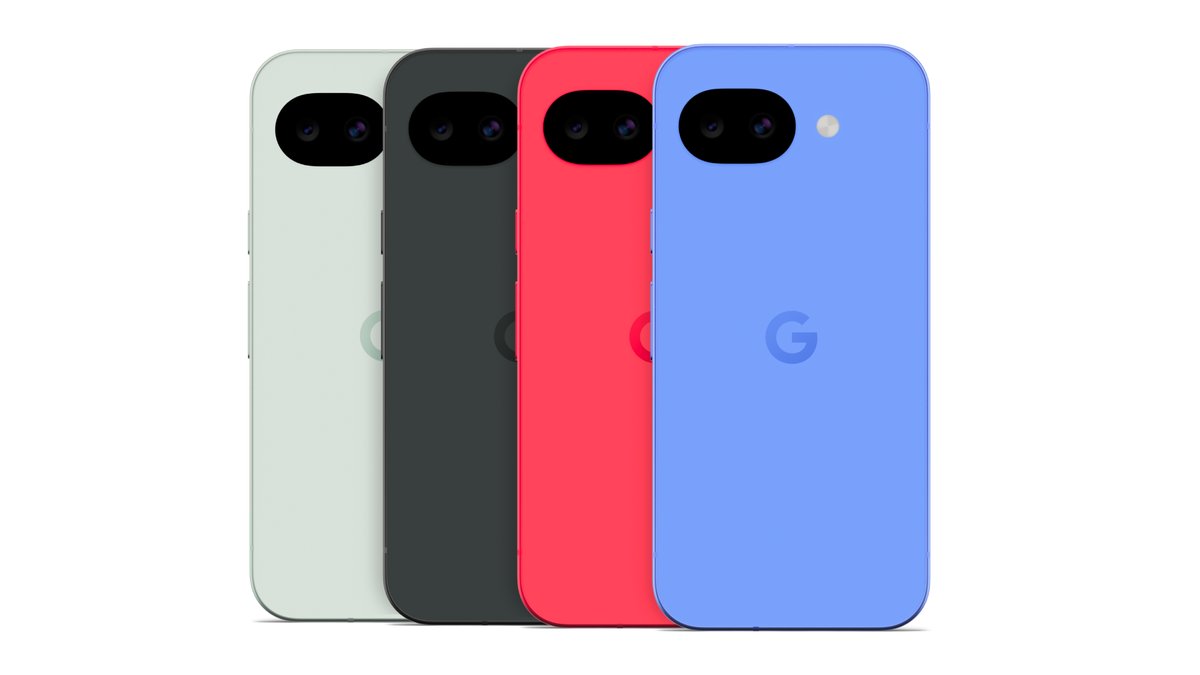
1. Google Pixel 10a — Best Overall Under $500
Tensor G43,000-nit OLED5,100mAh7 yrs updates
If someone asks me for a phone under $500 and gives me no other information, this is the answer, and it still isn’t close. The Google Pixel 10a keeps everything that made its predecessor the default pick — a 6.3-inch 120Hz OLED, a 5,100mAh battery, IP68, the best point-and-shoot camera in the tier, the same sticker as before — and fixes the two things we actually complained about. The screen now peaks at a retina-searing 3,000 nits (up from 2,700), and charging finally gets off the naughty list: 30W wired instead of 23W, plus 10W wireless charging, which barely exists at this price. It ships on Android 16 with seven years of OS and security updates, carrying this phone all the way to 2033.
Yes, the Tensor G4 is the same chip as last year’s 9a. Google openly held the line on silicon to hold the line on price through the industry-wide memory crunch — and honestly, right call. The G4 was never the bottleneck; it’s plenty fast for real life, and it’s the exact chip Google has committed to feeding optimizations for years. What your 2026 money buys is the brighter panel, the charging fixes, and one genuinely new trick: the 10a is the first A-series Pixel whose Quick Share talks directly to AirDrop, so you can fling photos at your friends’ iPhones and MacBooks like it’s nothing.
The one real catch is storage. The base model gives you 128GB with no microSD escape hatch, and stepping up to 256GB shoves the phone straight through this list’s ceiling. If you shoot a lot of 4K video, budget for that or lean on cloud backup from day one.
Pros
- Best camera under $500, now behind a brighter 3,000-nit screen
- Seven years of updates to 2033 — the longest support on this list
- 30W wired plus 10W wireless charging, a first for the A-series
- Quick Share now AirDrops straight to iPhones and Macs
Cons
- 128GB base storage; the 256GB step-up breaks the budget
- Tensor G4 is carried over — the discounted Pixel 9a runs the same chip
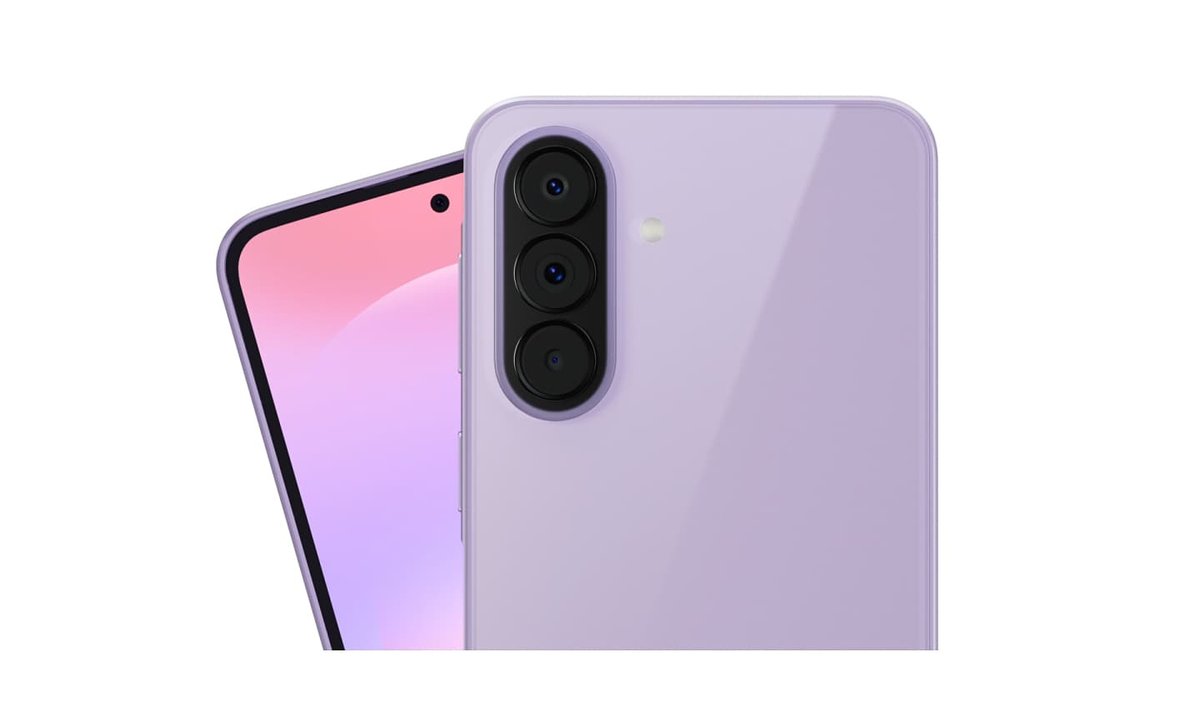
2. Samsung Galaxy A37 5G — Best Samsung Under $500
6.7″ 120Hz AMOLED45W chargingIP686 yrs updates
The Samsung Galaxy A37 5G is the phone for the person who wants the big-screen, big-brand Samsung experience without the four-figure price — and it now undercuts this list’s ceiling with room to spare. You get the gorgeous 6.7-inch 120Hz Super AMOLED this line is known for, 45W charging that noticeably outpaces both Pixels, a 50MP main camera with OIS, an upgrade to full IP68 water resistance, and Samsung’s six-generations-of-OS, six-years-of-security promise riding on Android 16 and One UI 8.5.
The headline change this generation is intelligence, not hardware. The A37 is the first phone in Samsung’s budget tier to get a real slice of Galaxy AI — Circle to Search that can now identify multiple objects at once, Object Eraser to scrub photobombers out of your shots, AI Select, and on-device voice transcription and translation in the Recorder app, a first for the A-series. Those were flagship-only features two years ago; now they’re standard in the budget tier, with the update runway to keep improving. The Exynos 1480 won’t win benchmarks, but with six years of updates it doesn’t have to be a hero today.
The honest cuts: no wireless charging, and no real telephoto — the third lens is a 5MP macro you’ll use twice. And if even this is a stretch, Samsung’s Galaxy A17 5G sits a full tier cheaper and still carries the same six-year update promise — the cheapest phone I can mention here without crossing my fingers.
Pros
- Big, bright 6.7-inch 120Hz Super AMOLED — the best cheap big screen here
- Six years of OS and security updates, now with full IP68
- 45W charging refills far faster than either Pixel
- Galaxy AI arrives in the budget tier — Circle to Search, Object Eraser, voice transcription
Cons
- No wireless charging and no telephoto — the macro lens is filler
- Exynos 1480 camera processing trails the Pixels in tricky light
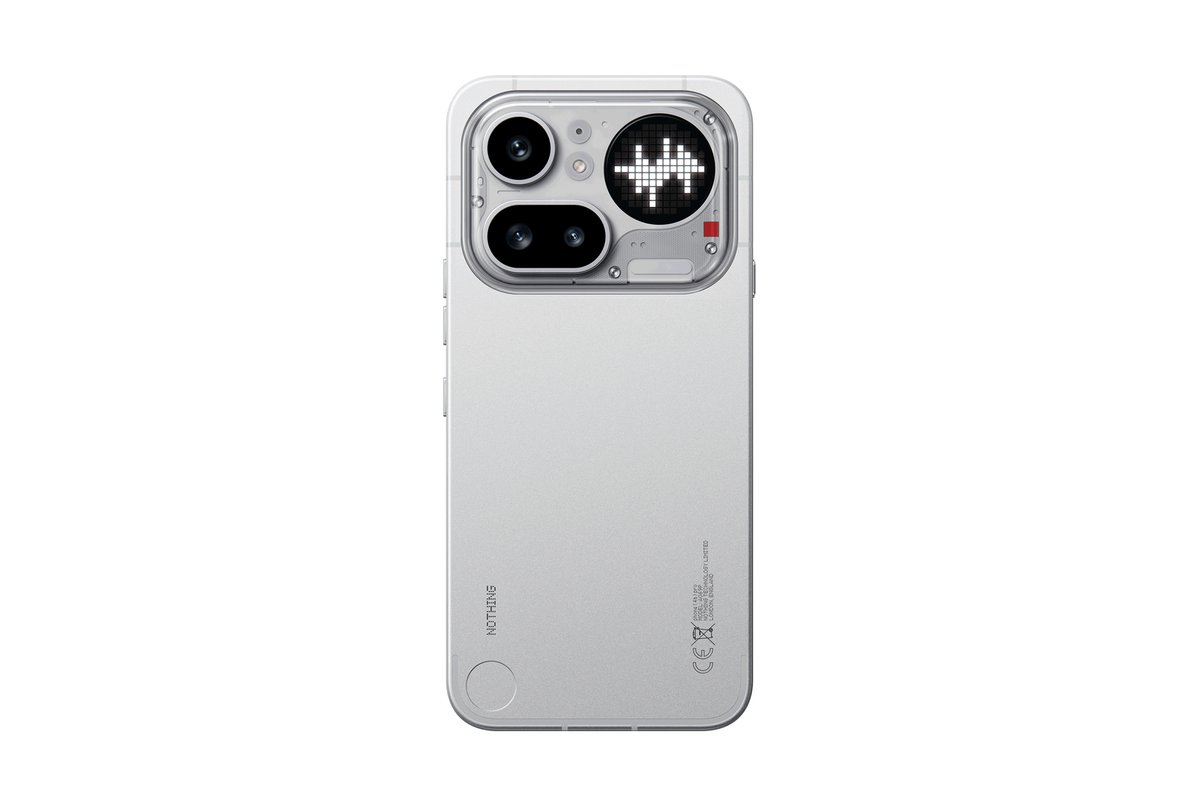
3. Nothing Phone (4a) Pro — Best Camera Versatility and Zoom
3.5x periscope144Hz AMOLED50W charging
Every other phone on this list is, let’s be honest, a variation on the same black rectangle. The Nothing Phone (4a) Pro is the one that looks like nothing else — and this year it’s also the one with the most camera, full stop: a 50MP periscope telephoto with 3.5x optical zoom that Nothing will happily push to 140x hybrid, backed by a 50MP main sensor with OIS. If you shoot concerts, sports, or your kids from across a field, this is the only phone under $500 that actually reaches them instead of cropping into digital mush.
The rest of the hardware punches above the price too. The Snapdragon 7 Gen 4 is a real step up from the old “s”-class chips — roughly 30 percent faster than the 3a Pro it replaces — the huge 6.83-inch AMOLED is the only 144Hz panel in this roundup, 50W charging gets you to half in about 22 minutes, and the 7.9mm aluminum unibody feels like twice the money. The transparent back now hosts the Glyph Matrix, a little dot-matrix display that handles notifications, timers, and assorted mischief without lighting up the whole screen.
And the best news for American buyers: the asterisk is gone. Nothing’s earlier phones sold in the US through a “beta program” with hand-wavy carrier support; the (4a) Pro is simply, officially on sale here — Amazon, Nothing’s own store, full US support. What you’re trading away is longevity: three OS upgrades is less than half of what the Pixels promise.
See the full Nothing Phone (4a) Pro review here — the 4a-vs-Pro decision, zoom reality, and measured numbers.
Pros
- The only periscope telephoto under $500 — 3.5x optical, up to 140x hybrid
- Only 144Hz display on this list, and the biggest at 6.83 inches
- Officially sold in the US now — the old beta-program homework is gone
- Slim aluminum unibody, fast 50W charging, genuinely fun Glyph Matrix
Cons
- Three OS upgrades — less than half the Pixels’ seven-year horizon
- No wireless charging, and the 8MP ultrawide is the weak lens
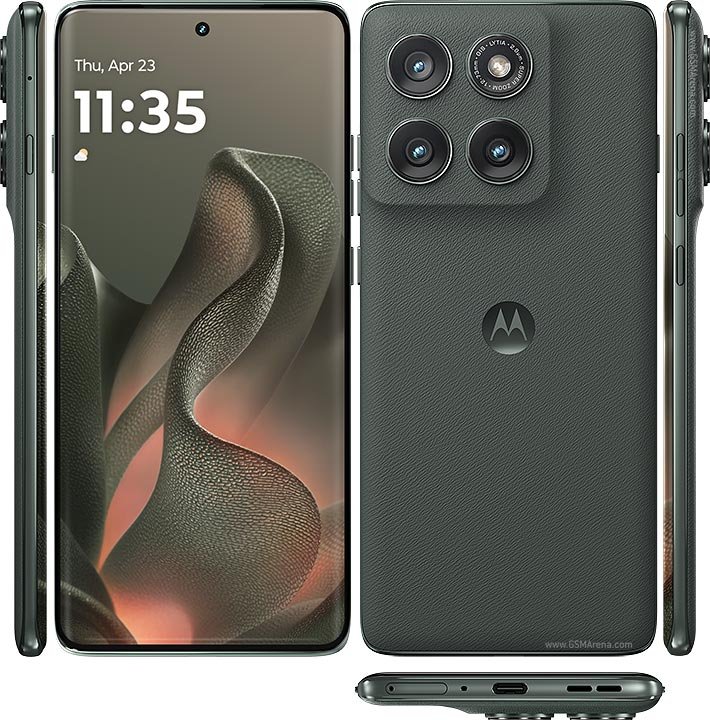
4. Motorola Edge 2025 — Best Battery Life
5,200mAh battery68W TurboPowerIP68/IP69
If your single biggest phone complaint is “it dies before I do,” the Motorola Edge 2025 is built for you. Its 5,200mAh battery is the largest here and earned DXOMARK’s 2025 Gold battery label — Motorola rates it for up to two days of mixed use, and it backs that up with 68W TurboPower charging that claims a full day’s power in about six minutes. That combination of a huge cell plus genuinely fast charging is the real reason to buy this phone. It launched above this list’s ceiling but has already settled well under it, which is what finally lands it on this list at all.
Beyond the battery, you get a curved 6.7-inch pOLED display, a Dimensity 7400 chip that’s smooth for everyday use, a vegan-leather back that feels nicer than its price, and standout IP68/IP69 durability — that IP69 rating means it survives high-pressure water jets, not just a dunk, which is rare at any price. It even includes 15W wireless charging, which the Galaxy A37 skips.
The honest trade-off is longevity: Motorola’s update policy tops out around three years of OS upgrades, so this phone won’t be around in 2032 the way the Pixel will. You’re trading long-term software life for the best battery-and-charging combo on the list. For a heavy user who upgrades every few years anyway, that’s a completely fair trade.
Pros
- Biggest battery here (5,200mAh) with a DXOMARK gold rating for endurance
- 68W TurboPower charging plus 15W wireless — fastest refill on this list
- Toughest build with IP68/IP69, surviving jets and dunks
- Curved pOLED screen and vegan-leather finish that punch above the price
Cons
- Only about three years of OS updates — less than half a Pixel’s runway
- Dimensity 7400 camera processing trails the Pixel and Samsung
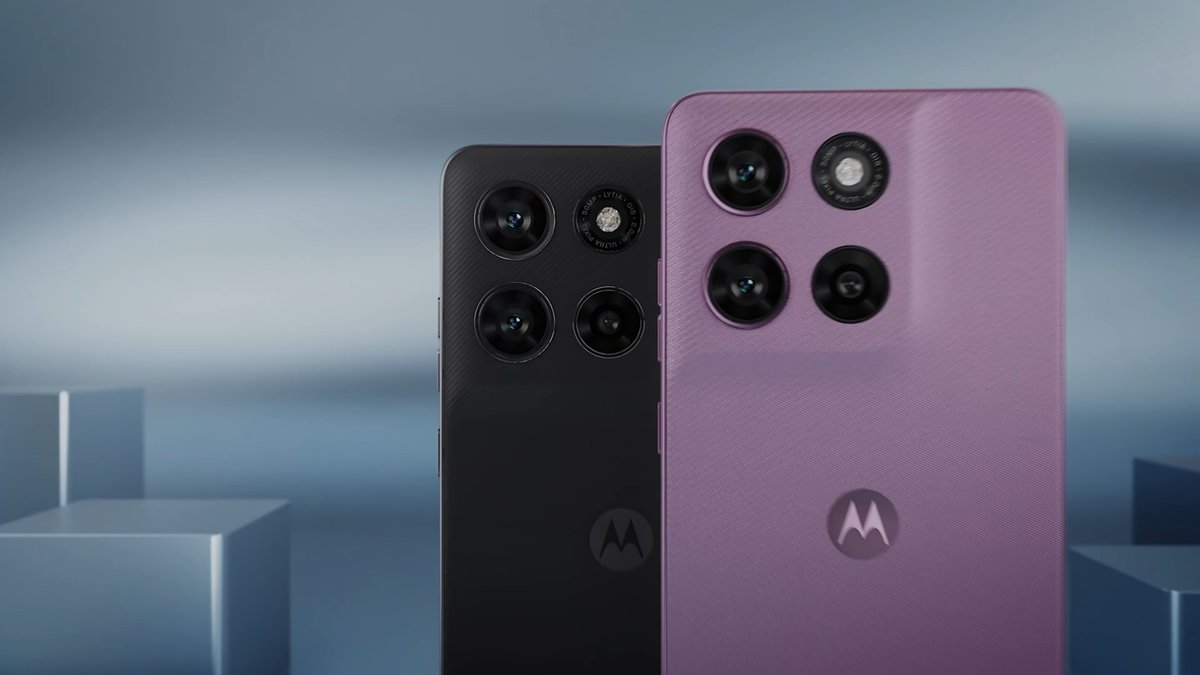
5. Moto G Stylus 2026 — Best for Note-Takers and Sketchers
Built-in stylus68W + 15W wirelessIP68/IP69
There is exactly one phone under $500 with a pen in it, and this is it. The Moto G Stylus 2026 finally ditched the dumb capacitive toothpick of past generations for a proper active stylus with pressure and tilt sensitivity — writing and sketching on it feels like writing, not dragging a chopstick across glass. If you annotate PDFs, sign documents, or think with a pen in your hand, no other phone on this list does your job. It sneaks under the bar by a hair, and Motorola knows it.
What surprised me is how little else got cut. The 6.7-inch 120Hz Super AMOLED claims an outrageous 5,000-nit peak, the 5,200mAh battery matches the Edge 2025 pound for pound with the same 68W TurboPower and 15W wireless charging, durability hits IP68 plus IP69 — high-pressure jets, not just dunks — and, pour one out for the ports we lost, there’s a headphone jack AND a microSD slot. Both are nearly extinct in 2026, and both live here.
The catch is the same one that always haunts Motorola, only sharper this year: two OS upgrades and three years of security patches is the weakest support promise on this list, and the Snapdragon 6 Gen 3 is the slowest chip here. The math only works if the stylus is genuinely your daily tool — in which case nothing else under $500 competes, because nothing else under $500 exists.
See the full Moto G Stylus 2026 review here — measured display and battery numbers, benchmark comparison, and who should skip it.
Pros
- The only real stylus under $500 — active pen with pressure and tilt
- Edge-class battery: 5,200mAh with 68W wired and 15W wireless charging
- IP68/IP69 toughness plus a headphone jack and microSD slot
Cons
- Two OS upgrades and three years of patches — weakest support here
- Snapdragon 6 Gen 3 is the slowest chip on this list
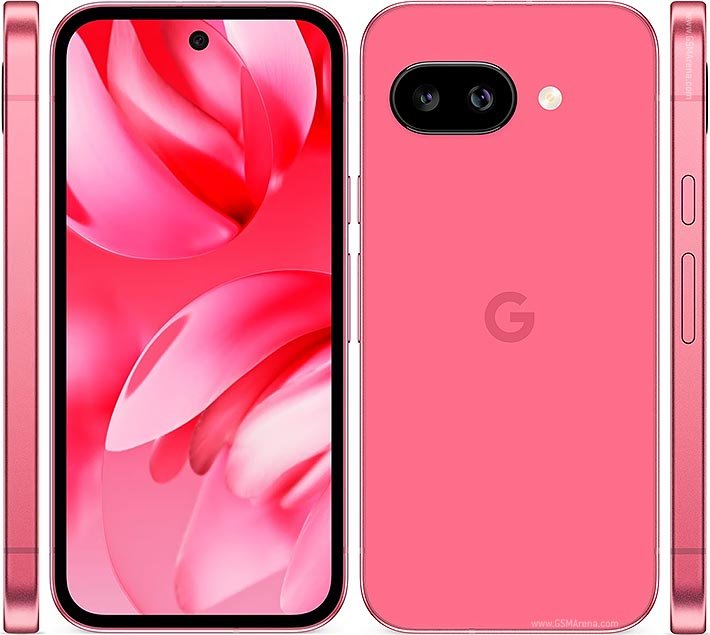
6. Google Pixel 9a — Best Deal for Value Hunters
Tensor G47 yrs updates5,100mAh
Here’s the money move most people miss: our best-overall pick from last year didn’t get worse when the Pixel 10a arrived — it got cheap. The Google Pixel 9a still carries its original list price, but since the 10a landed it lives on near-permanent sale, and how deep the discount runs swings with the week and the storage. And here’s the part that should make you pause before paying full price for the 10a: it runs the exact same Tensor G4 chip, carries the same 5,100mAh battery and excellent 48MP camera system, and its own seven-year update promise still runs to 2032.
What the extra 10a money actually buys: a brighter panel (3,000 nits versus 2,700), 30W wired and 10W wireless charging versus the 9a’s pokey 23W-and-nothing, the AirDrop trick, and one extra year of updates. Real upgrades, all of them — but catch the 9a at the bottom of its sale range and you’re getting roughly ninety percent of the best phone under $500 for about seventy percent of the money. That’s not a compromise; that’s arbitrage.
This is the pick for the value hunter: the cheapest ticket to Google’s long update runway and the best camera in the budget tier, as long as you can live with slow charging and a little patience for sale-watching.
Pros
- Same Tensor G4 and camera magic as the new 10a, routinely well below it
- Seven-year update promise still runs into 2032
- Consistently the best photos in the budget tier, especially in low light
Cons
- Slow 23W charging and no wireless — exactly what the 10a fixed
- The price is a moving target; at full list price, just buy the 10a
How the Six Picks Compare on Paper
Six phones, one table, no marketing. This is the napkin version I’d sketch if you cornered me at a barbecue — and notice how the updates column quietly sorts the phones you own from the phones you rent.
| Phone | Chip | Display | Battery and Charging | Updates |
|---|---|---|---|---|
| Pixel 10a | Tensor G4 | 6.3″ OLED, 120Hz, 3,000 nits | 5,100mAh, 30W wired, 10W wireless | 7 years OS + security (to 2033) |
| Galaxy A37 5G | Exynos 1480 | 6.7″ Super AMOLED, 120Hz | 5,000mAh, 45W wired | 6 years OS + security |
| Nothing Phone (4a) Pro | Snapdragon 7 Gen 4 | 6.83″ AMOLED, 144Hz | 5,080mAh, 50W wired | 3 OS upgrades |
| Motorola Edge 2025 | Dimensity 7400 | 6.7″ pOLED, 120Hz | 5,200mAh, 68W wired, 15W wireless | About 3 years OS |
| Moto G Stylus 2026 | Snapdragon 6 Gen 3 | 6.7″ Super AMOLED, 120Hz | 5,200mAh, 68W wired, 15W wireless | 2 OS upgrades, 3 years security |
| Pixel 9a | Tensor G4 | 6.3″ OLED, 120Hz, 2,700 nits | 5,100mAh, 23W wired | 7 years OS + security (to 2032) |
Why There’s No New iPhone Under $500 in 2026
Let’s answer the question honestly, because a lot of people reading a “best phone under 500” guide are really asking “which iPhone can I get.” The blunt answer: still none, if you’re buying new. Apple’s cheapest current phone is the iPhone 17e, launched in March 2026 — and to be fair, Apple sweetened it harder than usual. Base storage doubled to 256GB, the chip is the same A19 family as the flagship iPhone 17, and the budget iPhone finally got MagSafe wireless charging. It’s a genuinely good phone. It’s also still priced clean over this list’s ceiling, and after two straight years of e-phones landing on that same rung, Apple has made it clear the number isn’t drifting down.
Bottom line: The only way into an iPhone for under $500 in 2026 is used or refurbished. Last year’s iPhone 16e now trades on the resale market in the same band as a discounted Pixel 9a, depending on condition and storage. That’s a legitimate move if you’re locked into iMessage: a used 16e is a modern, Apple-Intelligence-capable iPhone for sale-price-Pixel money. But you’re buying a slower charger, a single rear camera, and an update clock that started ticking in early 2025 — while a new Pixel 10a hands you a fresh seven-year runway. If you’re not already married to iOS, the Android picks above are simply better value.
Frequently Asked Questions
What is the best phone under 500 for most people in 2026?
For most people it’s the Google Pixel 10a. It has the best camera under $500, a bright 3,000-nit display, clean bloat-free software, IP68 water resistance, a 5,100mAh battery, 30W wired plus 10W wireless charging, and seven years of updates that carry it to 2033. If you want a bigger screen or faster wired charging, the Samsung Galaxy A37 5G is the closest rival.
Can you get a good phone for under $500, or is it a big compromise?
It’s barely a compromise anymore. In 2026 sub-$500 phones offer 120Hz (even 144Hz) OLED screens, cameras that beat older flagships, wireless charging, and up to seven years of updates. The main things you still give up versus a flagship are the most advanced zoom, top-tier gaming performance, and the fanciest build materials — none of which most people actually need.
Which phone under $500 has the best camera?
The Google Pixel 10a has the best all-around camera under $500, thanks to Google’s computational photography, especially in low light. If you specifically want zoom, the Nothing Phone (4a) Pro is the only phone at this price with a real periscope telephoto — 3.5x optical, stretching to 140x hybrid.
Which sub-$500 phone gets updates the longest?
The Google Pixel 10a and Pixel 9a both get seven years of updates (to 2033 and 2032 respectively), and the Samsung Galaxy A37 gets six years. Nothing promises three OS upgrades, Motorola’s Edge line about three years, and the Moto G Stylus 2026 just two OS updates — so if long-term support matters, buy Google or Samsung.
Is there an iPhone under $500 in 2026?
Not a new one. Apple’s cheapest current iPhone is the 17e, which lands over this list’s ceiling, though it now comes with 256GB and MagSafe. The only way under $500 is a used or refurbished iPhone 16e, and what you pay there depends on condition and storage. If you’re not locked into the Apple ecosystem, a new Pixel 10a or Galaxy A37 is a better value.
Which under-$500 phone has the best battery life?
The Motorola Edge 2025 still wins, with a 5,200mAh cell that earned a DXOMARK gold rating and 68W TurboPower charging. The Moto G Stylus 2026 matches those numbers spec-for-spec if you also want the pen, and the Pixel 10a’s 5,100mAh cell pairs with far longer software support.
Do I need to spend the full $500 to get a great phone?
No. The Google Pixel 9a lives on near-constant sale and still delivers the same Tensor G4 chip as the Pixel 10a, real Pixel cameras, and updates into 2032. The Galaxy A37 5G undercuts the ceiling too, and Samsung’s Galaxy A17 5G sits a tier below that while keeping the same six-year update promise. Spending less than $500 is often the smartest move.